How to Combine Two Soup Bases for a Unique Flavor Blend
Combining two hot pot soup bases can turn a familiar meal into a completely new dining experience. A rich beef broth can gain brightness from a tomato base, while a mild clam soup can become more aromatic with a touch of spicy Sichuan seasoning. The key is to balance intensity, saltiness, fragrance, and texture.
For home cooks in Taiwan, pre-prepared soup bases make this kind of experimentation simple. MoneyCome Mart delivers frozen broths and Cantonese hot pot ingredients through a cold-chain system, so you can create restaurant-style flavor combinations without spending hours preparing stock.
A successful blend should taste layered rather than confused. Choose one soup base as the main flavor, then use the second to add contrast or depth. Adding sauces, noodles, vegetables, and prepared ingredients in the right order will help each element remain distinct.
Choose flavors that can work together
Begin by identifying the dominant character of each broth. Clear clam soup is delicate, while mala, curry, and fermented bean bases are intense. Pairing two powerful broths in equal amounts can overwhelm the palate, so strong flavors usually work best as accents.
Think in terms of contrast. Seafood broths pair well with citrus, herbs, mushrooms, and gentle spice. Chicken or pork bases can support sesame, garlic, miso, or vegetables with earthy flavors. A creamy or coconut-style broth can soften the sharpness of chili and pepper.
The layering flavors guide offers useful inspiration for building a broth gradually instead of adding every seasoning at once. This approach makes it easier to taste the mixture as it develops.
Set the right blending ratio
A 2:1 ratio is a reliable starting point. Use two parts of the milder soup base and one part of the stronger base, then adjust after the broth reaches a gentle simmer. This keeps the main flavor clear while allowing the second broth to leave a noticeable finish.
For two mild broths, equal portions may work well. For a spicy mala soup combined with a seafood or vegetable broth, begin with one-quarter mala base and three-quarters mild stock. You can always increase the spicy portion, but it is difficult to correct a broth that has become too hot or salty.
Taste before adding dipping sauce, soy sauce, or additional seasoning. Frozen soup bases often contain carefully balanced salt and aromatics, so a small splash of water or unsalted stock may be all that is needed to soften the final blend.
Compare combinations by flavor and intensity
The following pairings can help you decide which direction suits your ingredients and preferred level of richness.
| Main soup base | Supporting soup base | Suggested ratio | Flavor result | Best ingredients |
|---|---|---|---|---|
| Clam or seafood broth | Mild chicken broth | 1:1 | Clean, savory, and rounded | Clams, prawns, tofu, napa cabbage |
| Tomato broth | Beef broth | 2:1 | Tangy, meaty, and aromatic | Beef slices, mushrooms, potatoes |
| Spicy mala broth | Mushroom broth | 1:2 | Fragrant heat with earthy depth | Fish balls, greens, tofu skin |
| Cantonese herbal broth | Coconut or creamy broth | 2:1 | Warm, smooth, and gently sweet | Chicken, pumpkin, corn |
| Soy-based broth | Kimchi-style broth | 2:1 | Salty, fermented, and lively | Pork, dumplings, noodles |
The best combination depends on what you plan to cook. Delicate seafood benefits from a clear broth, while sliced beef and hearty vegetables can handle a more concentrated soup. Consider the cooking liquid as part of the meal rather than a background element.
If your group has different preferences, divide the stock between two pots or use a split hot pot. This preserves the individual character of each soup base and lets diners compare flavors throughout the meal.
Build the broth in stages
Add the lighter soup base to the pot first and warm it slowly. Once it begins to release fragrance, pour in the stronger base in small amounts. Stir gently and taste after each addition. Boiling too aggressively can flatten delicate seafood aromas and make spicy oils taste harsh.
Aromatics should be added according to their strength. Garlic, ginger, scallions, and dried mushrooms can go in early to infuse the broth. Fresh herbs, sesame oil, citrus zest, and chili oil are better added near the end, when their fragrance will remain vivid.
Keep a little hot water or unsalted stock nearby for adjustments. If the blend tastes too concentrated, dilute it gradually. If it lacks depth, add mushrooms, roasted onion, a small amount of fermented bean paste, or a measured spoonful of dipping sauce.
Match the ingredients to the blend
The ingredients placed into the pot affect the broth as they cook. Clams, prawns, and fish release natural sweetness, while beef and pork contribute richness. Tofu, napa cabbage, radish, and mushrooms absorb seasoning and help distribute intense flavors.
Add ingredients in stages so the soup stays balanced. Begin with items that need time, such as daikon, corn, pumpkin, or frozen dumplings. Follow with meat, tofu, and fish balls, then finish with leafy greens and noodles. This order protects tender ingredients from overcooking and keeps the broth from becoming cloudy too quickly.
Cantonese hot pot favorites such as turnip cakes, noodles, sauces, and prepared dumplings are especially useful for testing blended broths. Mild items reveal the seasoning clearly, while rich or spicy ingredients can make an already powerful soup seem heavier.
Practical blending recommendations
Use these guidelines when planning your next combination:
- Pair one bold base with one gentle base rather than combining two equally intense flavors.
- Start with a 2:1 ratio, simmer briefly, and adjust in small increments.
- Taste the broth before adding soy sauce, chili oil, salt, or packaged dipping sauce.
- Match seafood ingredients with clean or lightly spicy broths, and match beef or pork with richer bases.
- Keep unsalted stock or hot water available to correct excessive saltiness or heat.
Fresh ingredients also change the flavor balance over time. Seafood can make a broth sweeter, while leafy vegetables dilute the seasoning slightly. Noodles absorb liquid and salt, so add them near the end and taste again before serving.
For a convenient meal, choose a frozen soup base bundle, prepare vegetables and proteins in advance, and keep sauces separate. Cold-chain delivery helps preserve the quality of MoneyCome Mart products until you are ready to cook.
Serve the finished blend at its best
Once the two broths have combined, give the soup a final taste and make one adjustment at a time. A few drops of sesame oil can round out bitterness, while a small amount of rice vinegar can brighten a rich or fatty broth. Avoid adding several strong seasonings together, since they can hide the original flavors.
Serve the pot while the aroma is fresh, with separate dipping sauces so each person can customize their portion. Save noodles and rice cakes for the later stages, when they can absorb the blended soup and create a satisfying final course.
Choose two MoneyCome Mart soup bases, add your favorite hot pot ingredients, and experiment with a measured blend at home. With a thoughtful ratio and gradual seasoning, an ordinary dinner can become a personalized Cantonese hot pot experience.
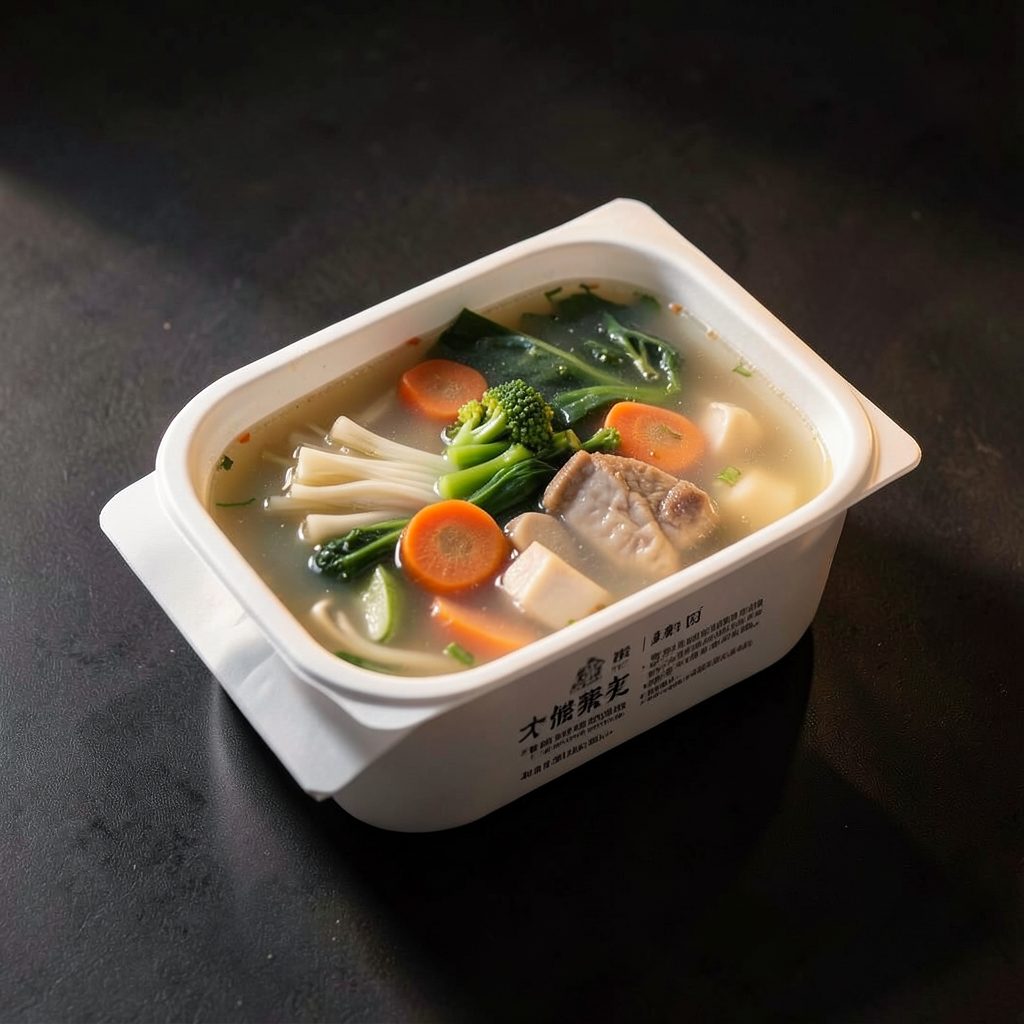
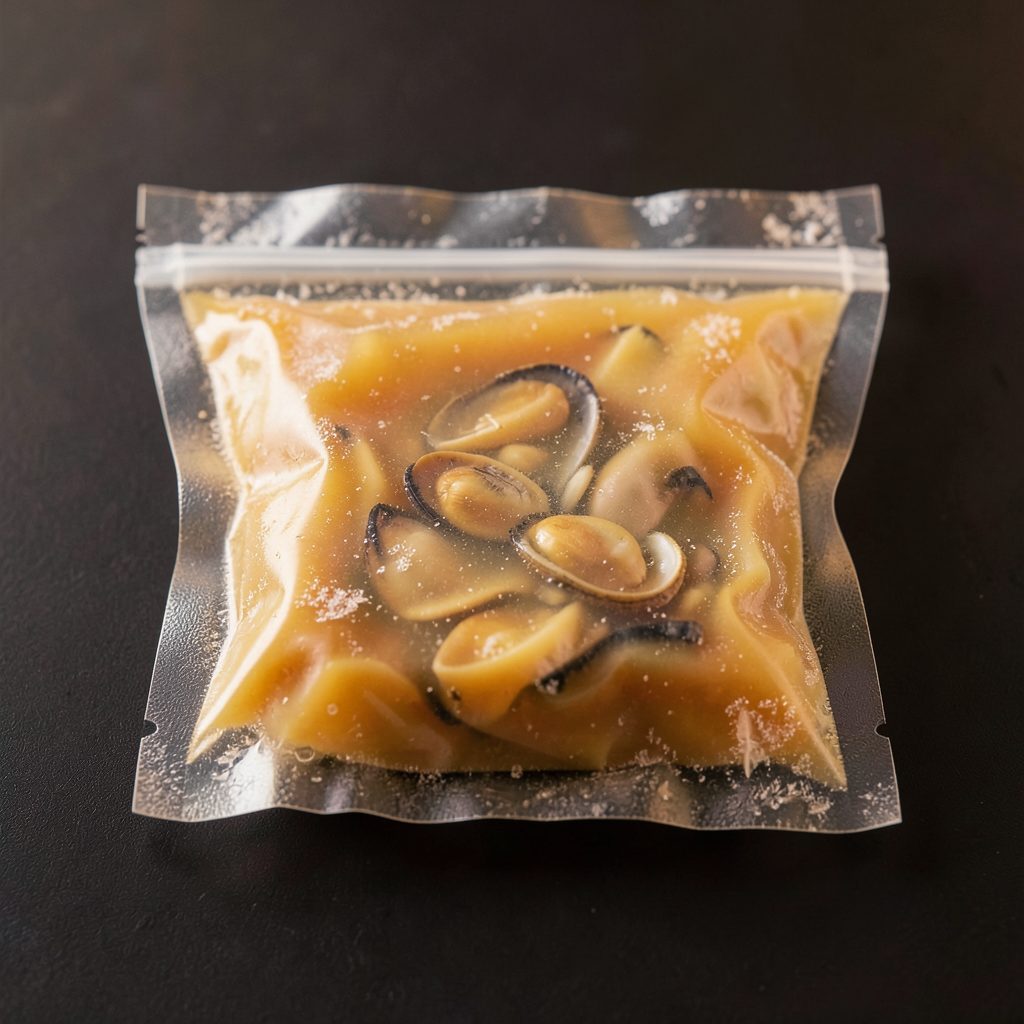
Best Sellers
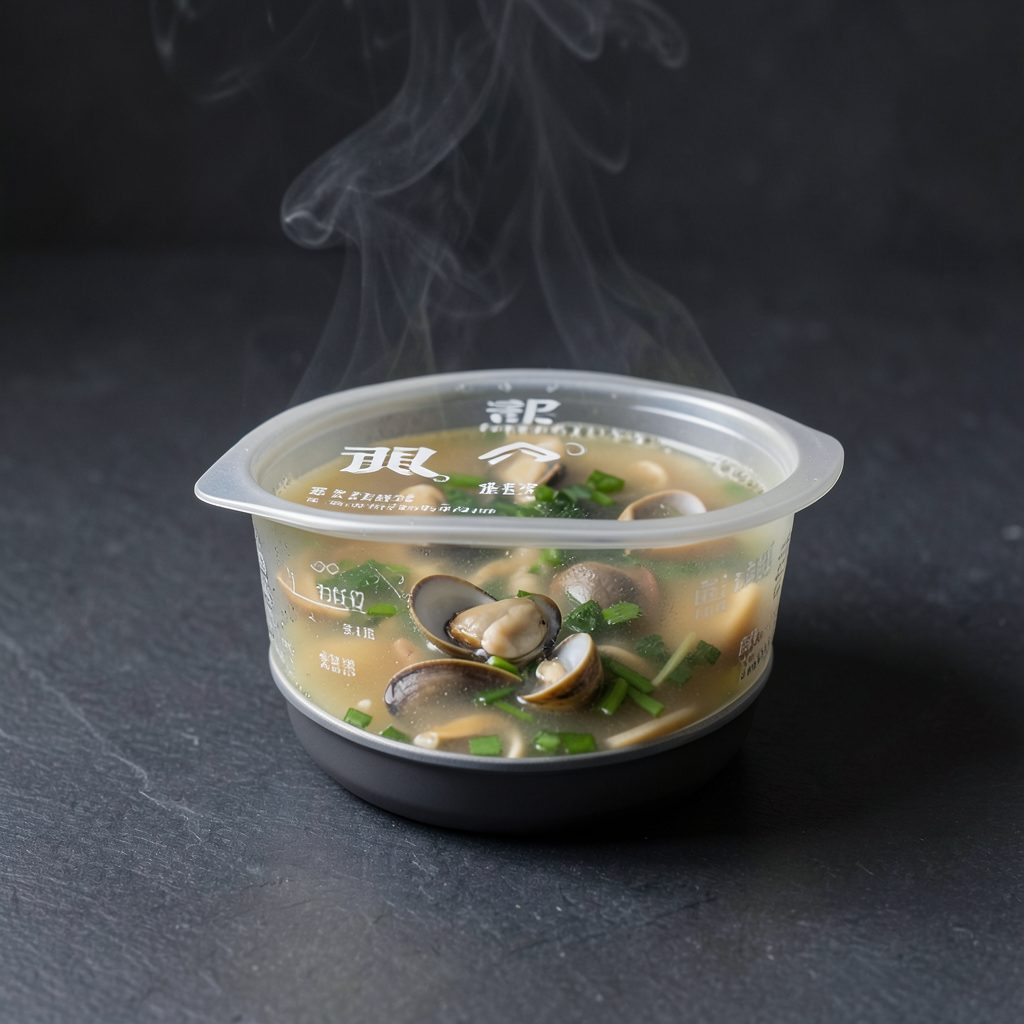
蛤?! Clam Soup Base —卜卜蜆
NT$ —
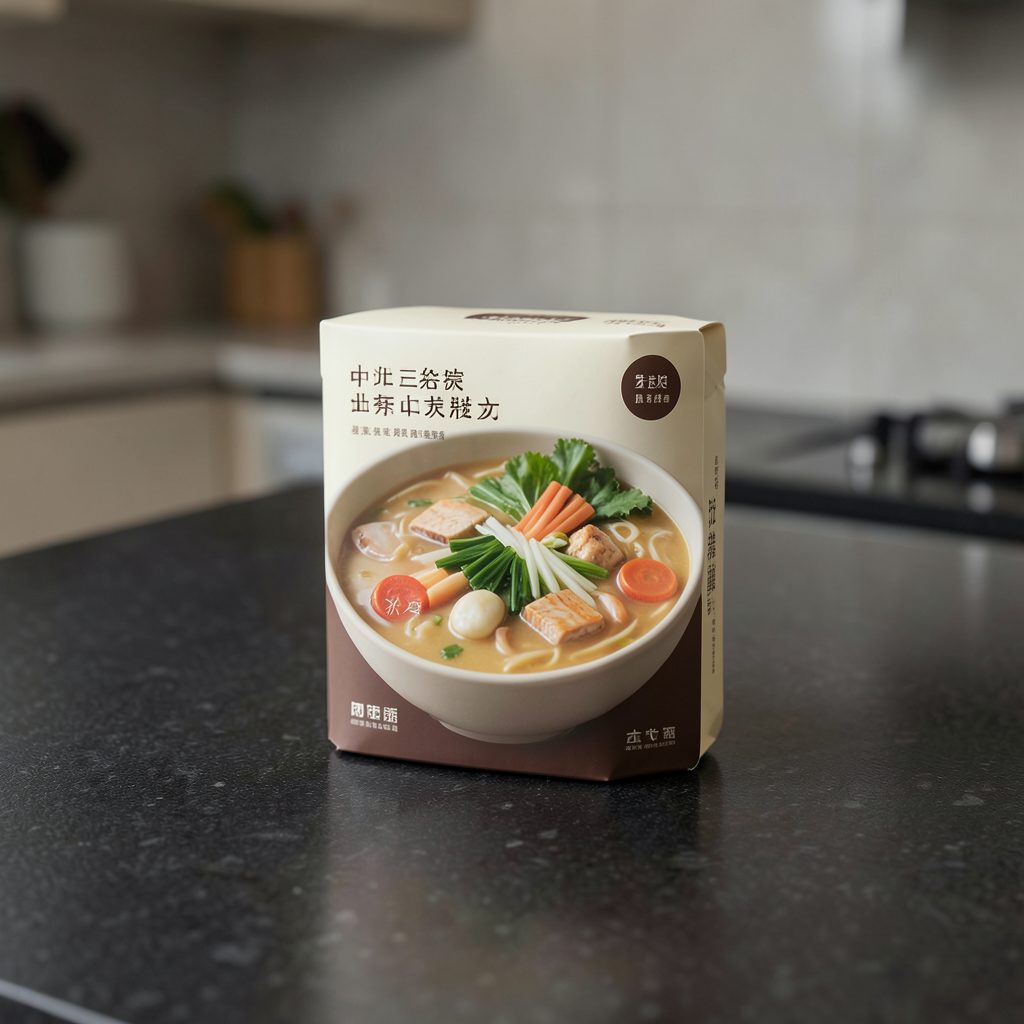
本事滿足鍋物 Personal Pot Base
NT$ —
蛤?! Dry Noodles
NT$ —
Signature Sauce
NT$ —
New Arrivals
蛤?! Golden Clam Broth — New Batch
NT$ —

Radish Cake —蘿蔔糕精神
NT$ —
Duo Soup Base Set
NT$ —
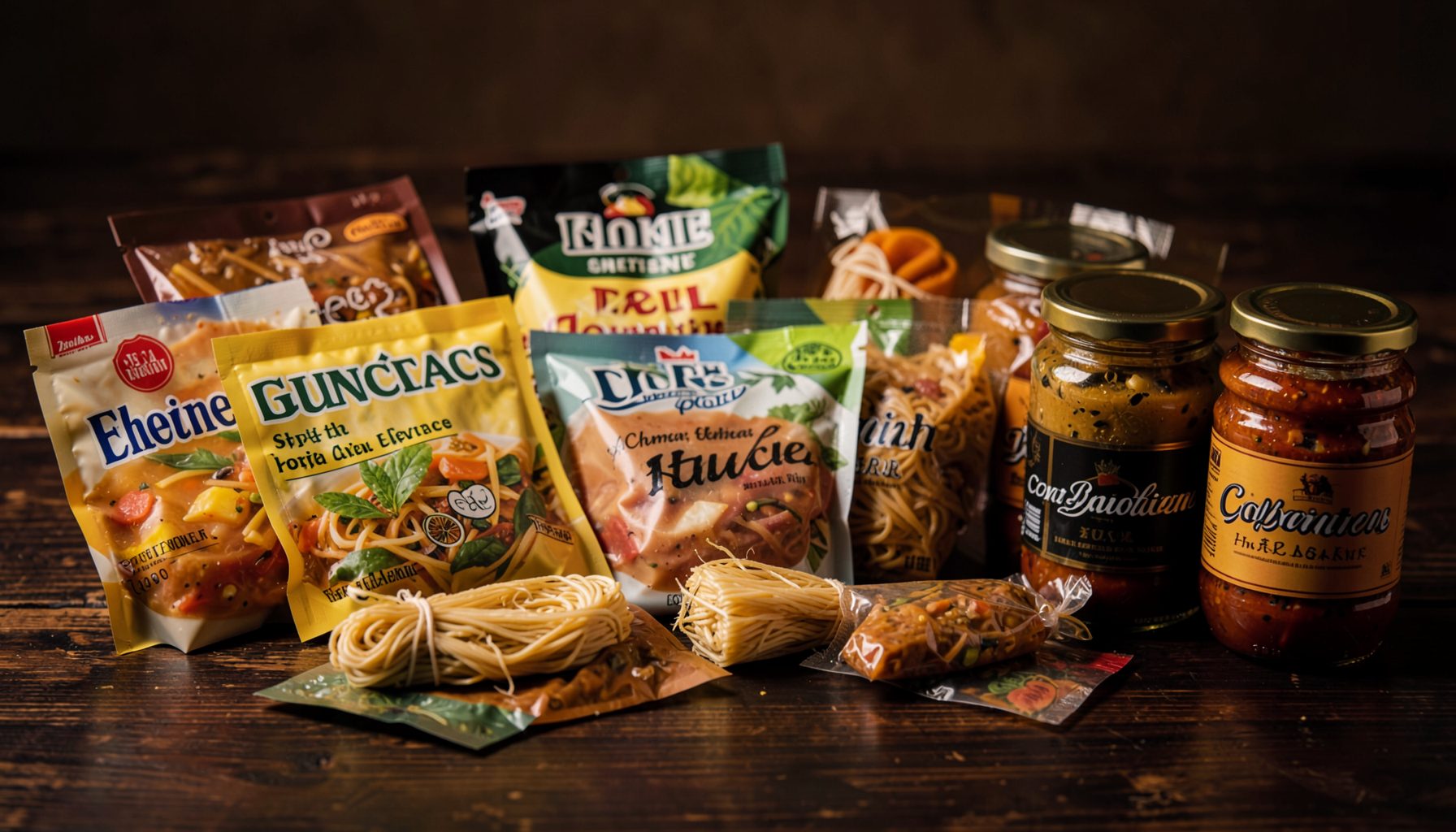
Hot Pot Essentials Bundle
NT$ —
About 蛤?! Huh Pot
蛤?! Huh Pot is a Cantonese-style hot pot brand known for its signature clam-based broth —卜卜蜆 — made with rich old-hen stock and generous portions of fresh clams. The brand also encompasses 本事滿足鍋物, a personal hot pot concept, bringing the same depth of flavor to individual servings.
Through MoneyCome Mart, these restaurant-quality soup bases, dry noodles, radish cakes, and signature sauces are available for home delivery across Taiwan. Restaurant locations in Taipei's Da'an District, Civic Boulevard, and Taichung's Gongyi Road also welcome guests for dine-in, with online reservations available.