How to clean your hot pot pot after a heavy broth dinner
A hot pot dinner leaves behind more than a few stray noodles. Rich soup bases, chili oil, seafood residue, starch, and thin layers of fat can cling to the bottom and sides of the pot. Cleaning them promptly keeps odors away and makes the cookware ready for the next meal.
The best method depends on the pot’s material and the type of broth you served. A gentle soak is usually enough for stainless steel, while enameled, nonstick, and electric pots require less friction and lower heat. The aim is to loosen cooked-on food without damaging the surface.
With the right sequence, cleanup takes only a few minutes of active work. Let the pot cool safely, remove solids, soften residue with warm water, then wash and dry every part thoroughly.
Start while the pot is still warm
Turn off the burner or unplug the electric base and allow the pot to cool until it is safe to handle. Do not pour cold water into a very hot vessel, especially if it is ceramic, glass, or enamel, because a sudden temperature change can cause cracking or warping.
Use a slotted spoon or silicone spatula to remove noodles, vegetables, shell fragments, and meat pieces. Pour leftover broth through a fine strainer if you plan to discard it, since food particles can clog a sink drain and make the cleanup smell stronger.
Wipe the rim, handles, and exterior with a damp cloth. Grease and soup splashes become harder to remove after they dry, so dealing with them before the main wash saves time.
Loosen broth stains without harsh scrubbing
Fill the pot with warm water until the stuck areas are covered, then add a small amount of dish soap. Let it stand for 15 to 30 minutes. For thick starch from noodles or turnip cakes, use a longer soak rather than applying extra force.
After soaking, lift softened residue with a soft sponge, nylon brush, or wooden utensil. Avoid steel wool and abrasive scouring pads on nonstick coatings, enamel, and polished stainless steel. A silicone scraper is useful for removing a thin film without leaving scratches.
If a greasy layer remains, add one or two teaspoons of baking soda to the warm water and soak again. Baking soda can help neutralize odors and loosen fat, but it should be used gently on delicate finishes. Rinse fully so no powder remains in seams or around the handles.
Match the method to the cookware
Different hot pot materials respond to heat, soaking, and cleaning tools in different ways. Check the manufacturer’s instructions first, especially for electric pots with removable heating elements or coated interiors.
| Pot material | Best cleaning approach | Avoid |
|---|---|---|
| Stainless steel | Warm soapy soak, soft sponge, diluted baking soda | Chlorine bleach and rough steel wool |
| Nonstick coating | Mild detergent and a soft sponge | Metal utensils, abrasive powders, high heat |
| Enameled cast iron | Warm soak and nylon brush | Thermal shock and aggressive scraping |
| Ceramic or clay pot | Gentle hand washing after full cooling | Sudden temperature changes and dishwasher use unless approved |
| Electric hot pot | Remove detachable parts and wipe the base separately | Immersing the electrical housing |
For stainless steel discoloration, simmering water with a small splash of white vinegar for a few minutes can help release mineral marks. Do not mix vinegar with bleach or other chemical cleaners. Rinse the pot immediately afterward and dry it to prevent water spots.
Electric hot pots deserve extra care. Remove the inner vessel if possible, wash it separately, and wipe the heating base with a barely damp cloth. Keep the connector, control panel, and cord away from running water.
Remove stubborn oil and seafood odors
A spicy or seafood-heavy broth may leave a lingering smell even after visible residue is gone. Wash the pot, lid, ladle, and strainer separately, paying attention to rubber seals, vents, rivets, and small grooves where broth can collect.
For odor control, soak washable accessories in warm water with dish soap, then rinse them well. A short soak with baking soda can help with persistent smells. Never use perfume, disinfectant, or strongly scented cleaners on surfaces that contact food unless the product is specifically approved for that use.
The lid often needs as much attention as the pot itself. Wipe its underside and steam vent, then leave it open until completely dry. Trapped moisture can create stale odors and encourage mold around gaskets.
Dry and store every component properly
Rinse until the water runs clear and no slippery detergent remains. Dry the interior with a clean towel, then leave the pot uncovered for a while so moisture can evaporate from seams and corners. Store the lid slightly ajar when practical.
Check the bottom of the pot before putting it back on its heating base. Water underneath can cause marks, interfere with contact, or create a safety issue for electric models. Dry removable strainers, dividers, and serving tools separately rather than stacking them while damp.
If you regularly enjoy restaurant-style broth at home, selecting convenient ingredients can make both cooking and cleanup easier. A custom hot pot bundle lets you balance soup base, dipping sauce, noodles, and prepared foods according to the size and style of your meal, which can also help reduce excess leftovers.
Keep the next cleanup simple
A few habits prevent heavy buildup before it starts. Avoid letting broth boil dry, skim excess foam and fat during the meal, and use separate utensils for raw and cooked ingredients. When serving oily or strongly seasoned soup, placing a heat-safe trivet under the pot can protect the dining surface from splashes.
These practical habits make home hot pot more enjoyable and protect your cookware over time:
- Empty and strain leftover broth before it cools completely.
- Soak the pot promptly instead of leaving dried residue overnight.
- Use soft, nonmetal cleaning tools on coated or enameled surfaces.
- Wash lids, strainers, dividers, and rubber seals separately.
- Dry the pot and electrical components fully before storage or reuse.
When leftover broth will be saved, cool it quickly in a clean container and refrigerate it promptly. Cold-chain handling also matters when purchasing frozen soup bases and prepared ingredients; this guide to cold-chain food quality explains why stable temperatures help preserve flavor and safety before the meal reaches your kitchen.
Make cleanup part of the hot pot routine: remove solids, soak gently, wash each component, and dry everything before storing it. With a clean pot ready for service, your next MoneyCome Mart broth dinner can begin with less effort and restaurant-quality flavor at home.
Best Sellers
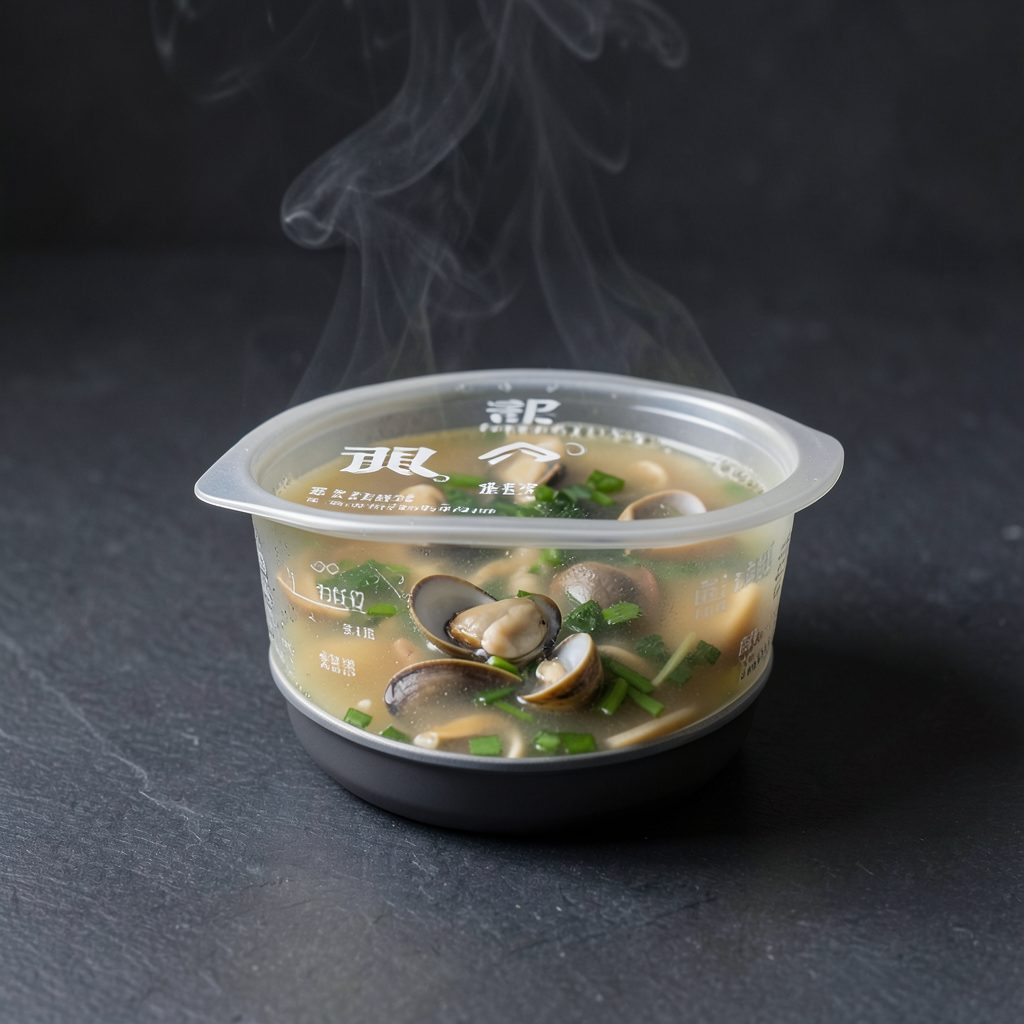
蛤?! Clam Soup Base —卜卜蜆
NT$ —
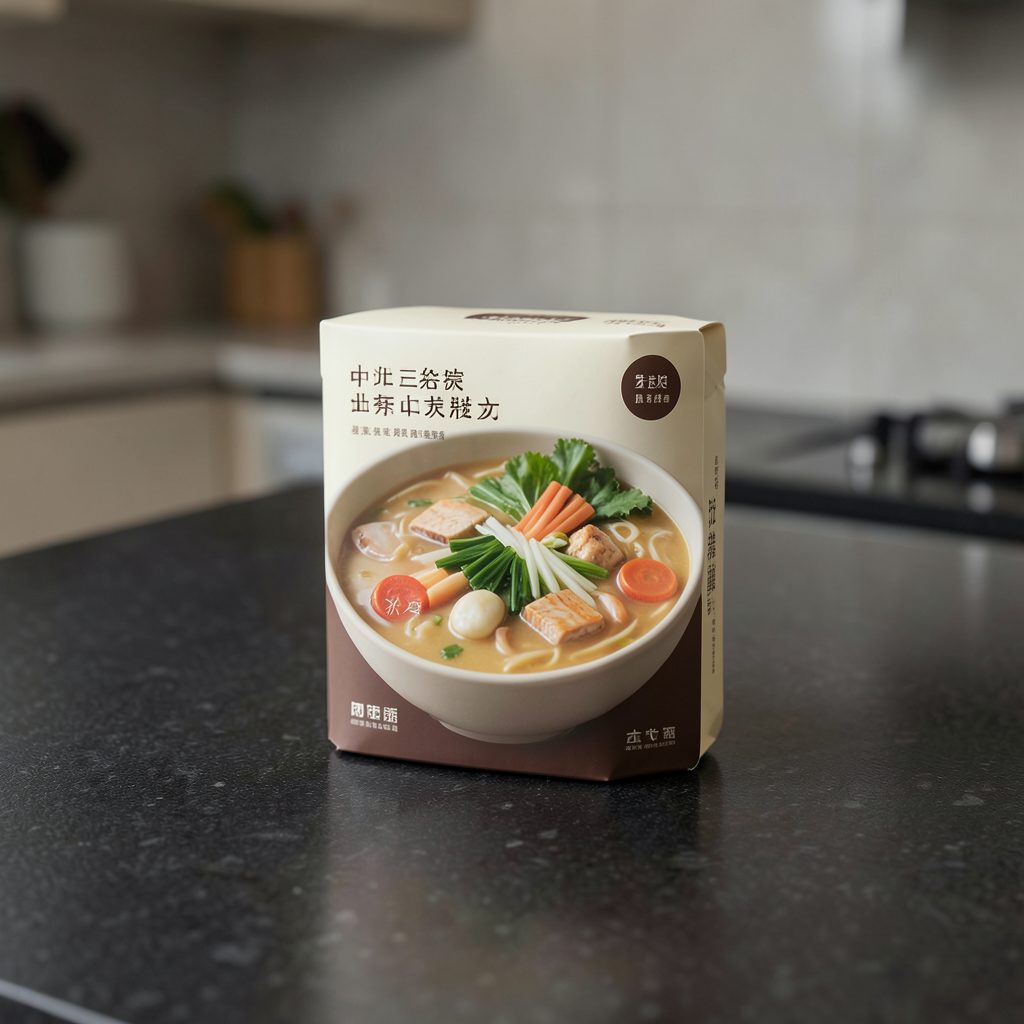
本事滿足鍋物 Personal Pot Base
NT$ —
蛤?! Dry Noodles
NT$ —
Signature Sauce
NT$ —
New Arrivals
蛤?! Golden Clam Broth — New Batch
NT$ —
Radish Cake —蘿蔔糕精神
NT$ —
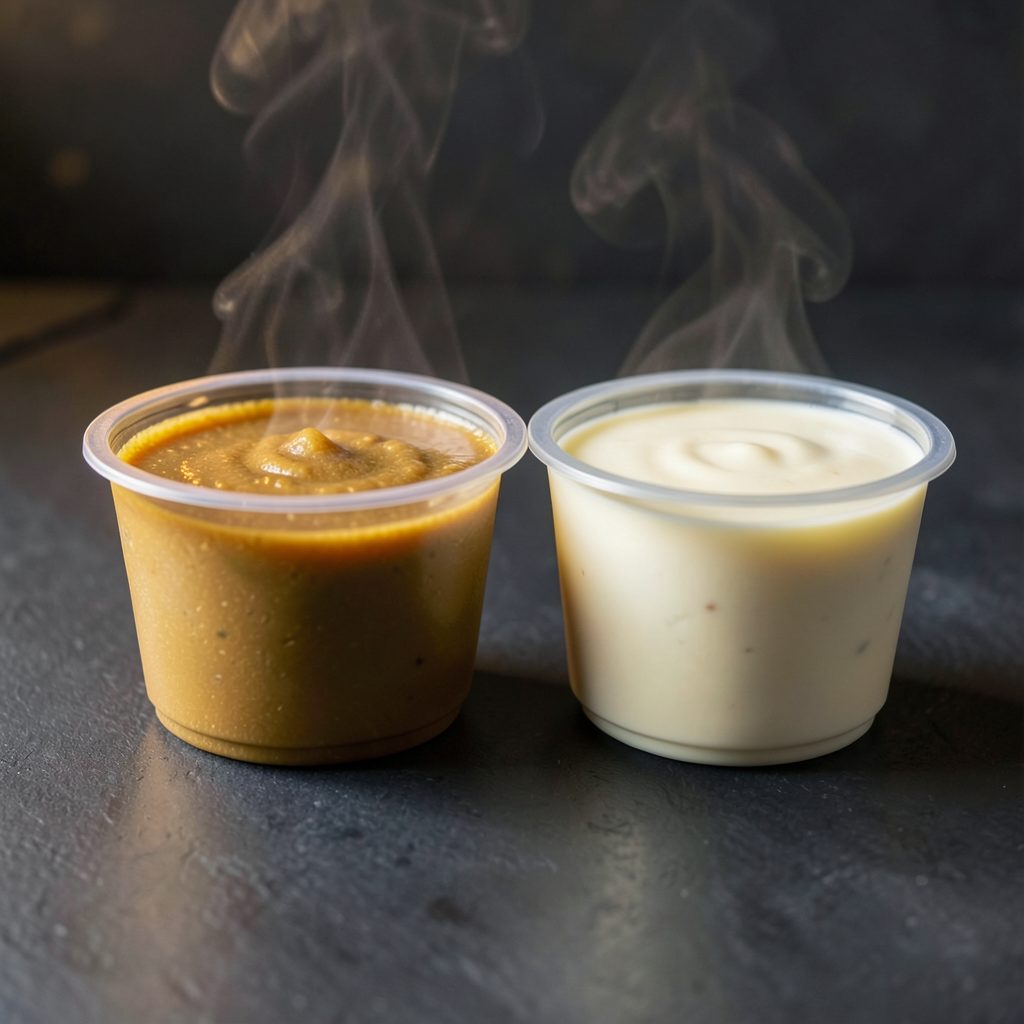
Duo Soup Base Set
NT$ —

Hot Pot Essentials Bundle
NT$ —
About 蛤?! Huh Pot
蛤?! Huh Pot is a Cantonese-style hot pot brand known for its signature clam-based broth —卜卜蜆 — made with rich old-hen stock and generous portions of fresh clams. The brand also encompasses 本事滿足鍋物, a personal hot pot concept, bringing the same depth of flavor to individual servings.
Through MoneyCome Mart, these restaurant-quality soup bases, dry noodles, radish cakes, and signature sauces are available for home delivery across Taiwan. Restaurant locations in Taipei's Da'an District, Civic Boulevard, and Taichung's Gongyi Road also welcome guests for dine-in, with online reservations available.