How to Clean a Hot Pot Pot Without Scratching the Coating
A Cantonese hot pot is designed for sharing, but the pot itself needs gentle care after the meal. Soup residue, chilli oil, starch from noodles and small pieces of seafood can cling to the surface, especially when the broth cools and thickens.
The safest approach is simple: let the pot cool naturally, remove loose food, and use warm water with a soft cleaning tool. Non-stick, enamelled and ceramic-coated cookware can all lose their smooth finish when exposed to harsh abrasives or sudden temperature changes.
This matters in Australian homes where compact kitchens, induction cooktops and apartment dishwashers are common. A careful cleaning routine keeps a hot pot ready for winter dinners in Melbourne, weekend gatherings in Sydney or a relaxed meal after shopping at a local Asian grocery.
The flavour of the broth also affects the clean-up. Rich clam stock, spicy soup and oil-based Cantonese bases may leave different residues, so patience is usually more effective than aggressive scrubbing.
Let The Pot Cool Before Washing
Turn off the heat and allow the cookware to cool until it is warm rather than hot. Pouring cold tap water into a very hot pot can create thermal shock, which may warp the base, weaken enamel or stress a ceramic coating.
This is especially important with portable induction burners, which can keep the pot hotter than it feels after the heat is switched off. Move the pot to a heat-resistant surface, remove the burner if safe, and leave it undisturbed for 15 to 30 minutes.
Remove Food Without Metal Tools
Use a silicone spatula, wooden spoon or soft plastic scraper to lift noodles, tofu, vegetables and seafood from the bottom. Avoid knives, forks and metal serving spoons, as even a small scratch can make a non-stick surface harder to clean later.
For stubborn pieces, add a little warm water and let them soften before scraping. The story behind the brand’s Cantonese-inspired cooking can be explored through the Huh Pot story, where the focus on shared hot pot meals explains why gentle, reusable cookware care is worthwhile.
Use Warm Water And Mild Dish Soap
Fill the cooled pot with warm water and add a small amount of mild dishwashing liquid. Leave it for 10 to 20 minutes so oil, starch and dried broth can loosen naturally. Very hot water is helpful, but boiling water is unnecessary for routine cleaning.
Clean the surface with a soft sponge, microfibre cloth or non-abrasive nylon brush. Work in gentle circles, giving extra attention to the rim, handles and the area around the divider in a dual-compartment pot.
Treat Oil And Broth Residue Carefully
A greasy film from chilli oil or clam broth may need two gentle washes rather than one forceful scrub. Drain the first soak, apply a fresh drop of detergent to a damp sponge, and wipe the surface until it feels smooth rather than slippery.
Do not use steel wool, green scouring pads, powdered cleanser or abrasive cream on coated cookware. Baking soda can also dull some finishes when rubbed directly, so it is better to follow the manufacturer’s care instructions before using any homemade cleaning paste.
Deal With Burnt-On Spots Gradually
If broth has boiled dry, cover the affected area with warm water and detergent, then leave it for at least 30 minutes. A soft scraper can usually remove the softened residue in several passes. Repeating the soak is safer than increasing pressure.
For cookware approved for stovetop soaking, you may gently warm the water for a few minutes before switching the heat off. Never leave an empty coated pot on a burner, and never use this method if the handle, coating or manufacturer’s instructions prohibit it.
Wash The Lid, Divider And Accessories
The lid can collect steam-condensed oil, while the divider in a two-flavour pot may trap spices and fine food particles. Wash these parts separately with warm soapy water and a soft brush. Check around rivets, vents and handle joints, where residue often remains hidden.
If a removable component is labelled dishwasher-safe, place it securely on the upper rack. Handwashing is usually the gentler option for coated inserts, painted surfaces and silicone parts. In Australian homes, where dishwasher cycles may be used frequently to manage large family meals, checking the care label prevents avoidable damage.
Rinse, Dry And Store Properly
Rinse away all detergent with clean water, then dry the pot immediately using a soft tea towel. Leaving water to evaporate can create mineral marks, particularly in areas with harder water such as parts of South Australia and Western Australia.
Store the pot with the lid slightly ajar or separated from the base so air can circulate. If cookware must be stacked in a crowded Brisbane or Sydney apartment cupboard, place a soft cloth or felt protector between pieces rather than letting metal edges rub against the coating.
Prevent Scratches During The Next Meal
Use silicone, bamboo or wooden serving tools throughout the hot pot meal, and avoid cutting food inside the cookware. Add ingredients in batches instead of dropping frozen products heavily onto the bottom, which can chip enamel or mark a delicate finish.
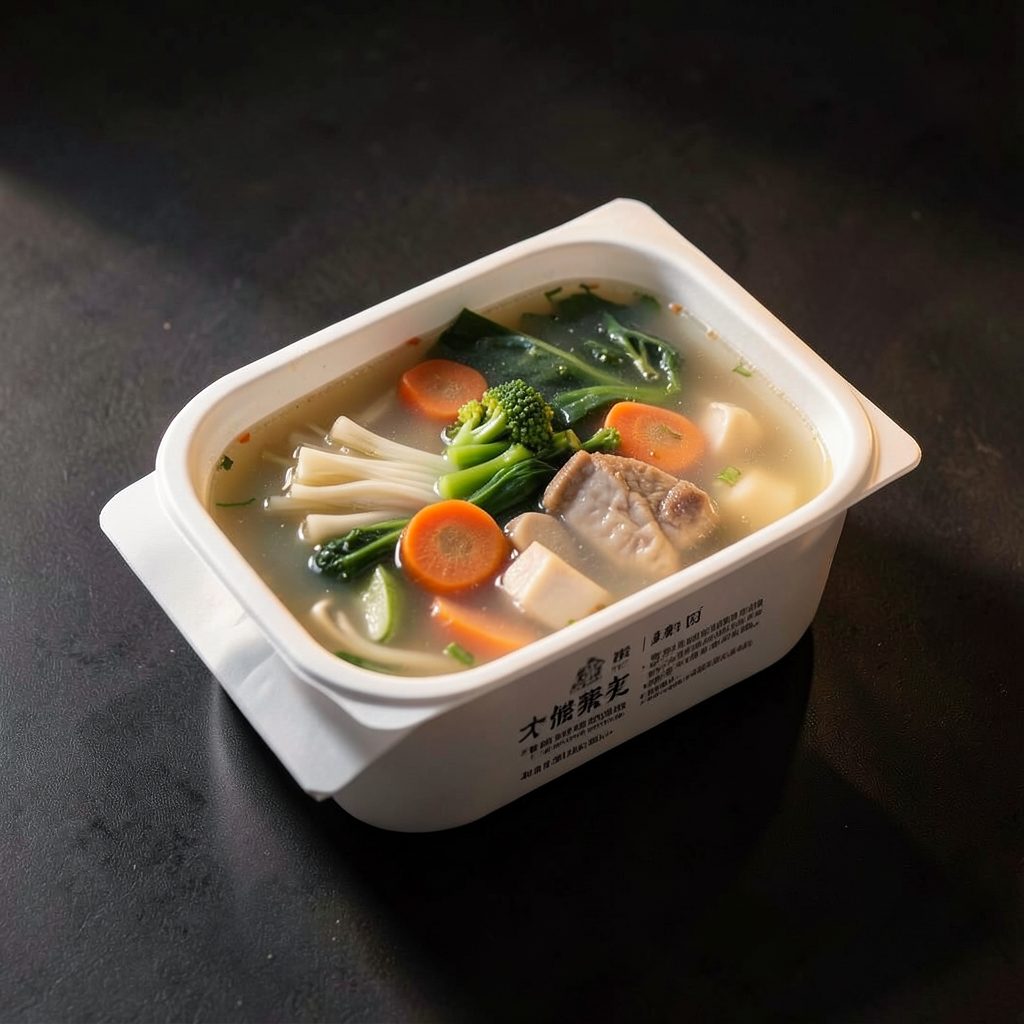
Choosing a balanced broth can also reduce residue and overheating. A ready-made Cantonese soup base provides a convenient starting point for home cooking, while careful heat control keeps soup from boiling dry during a long dinner.
A clean pot is particularly useful when hosting friends for a Melbourne winter night, a family meal after a Saturday market visit or a casual evening where food and entertainment continue at the table. Some hosts pair the meal with live casino games or other digital entertainment, making durable, easy-care cookware a practical part of the gathering.
Best Sellers
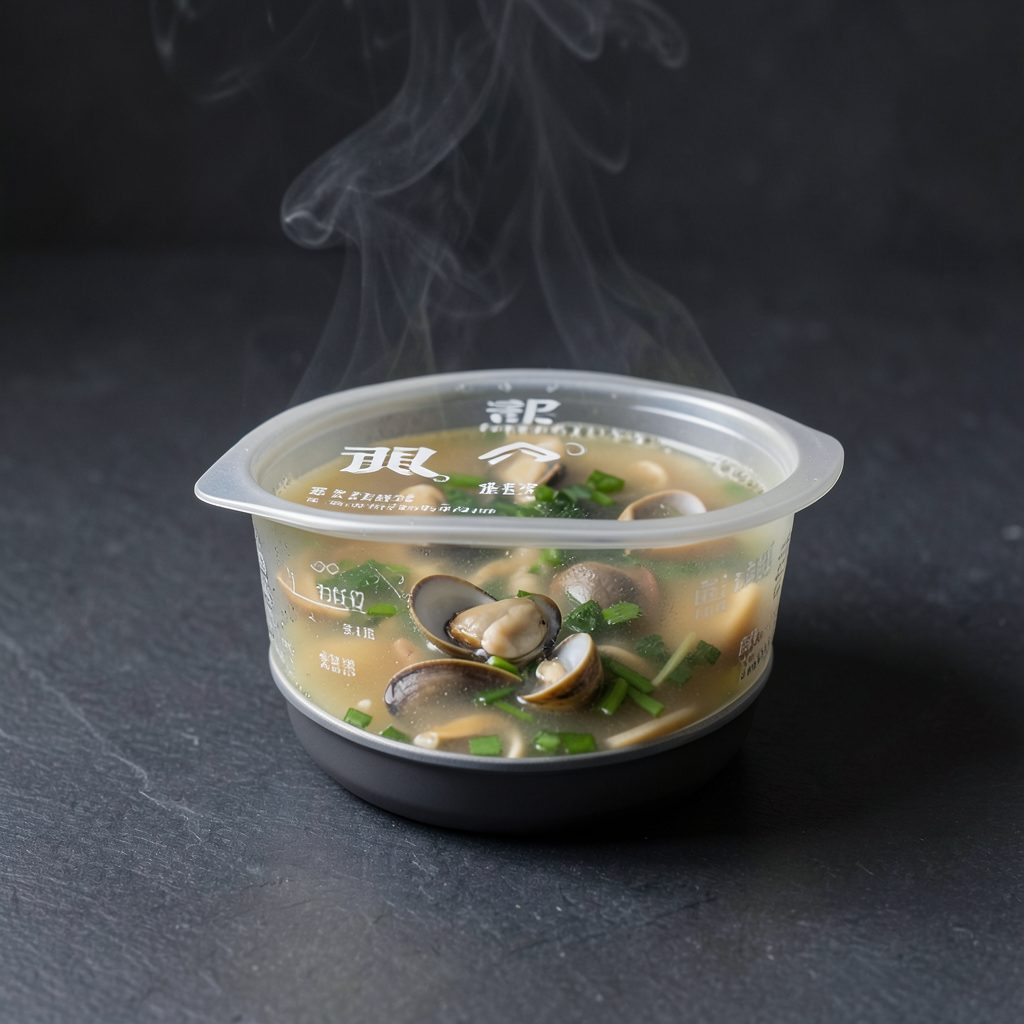
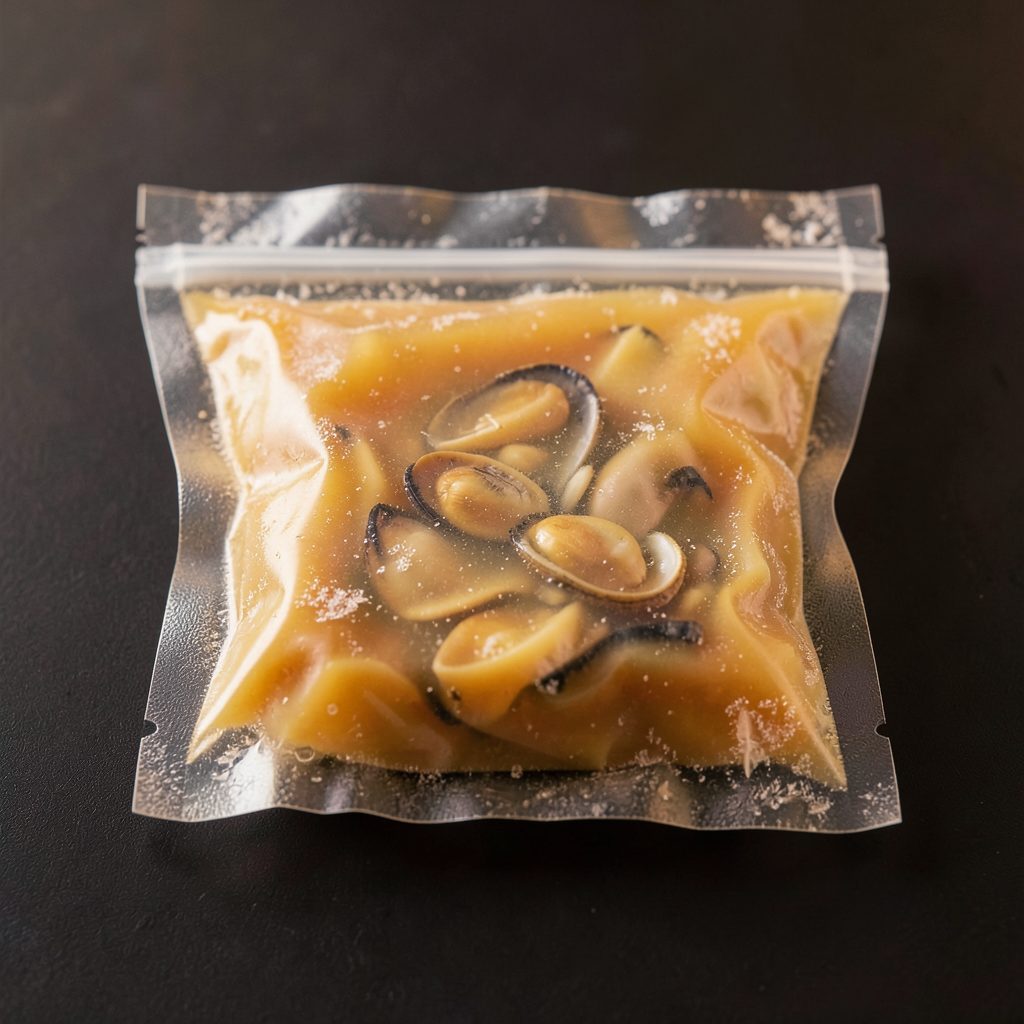
蛤?! Clam Soup Base —卜卜蜆
NT$ —
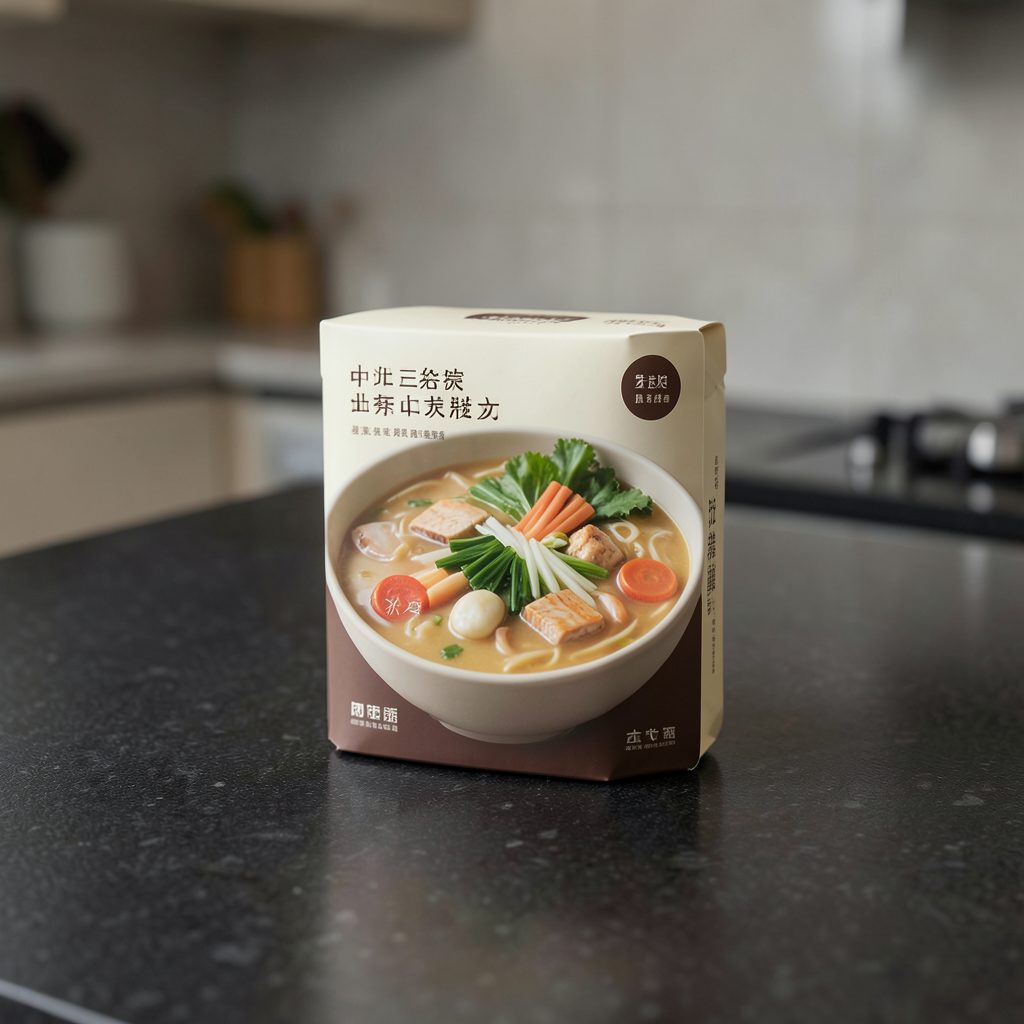
本事滿足鍋物 Personal Pot Base
NT$ —
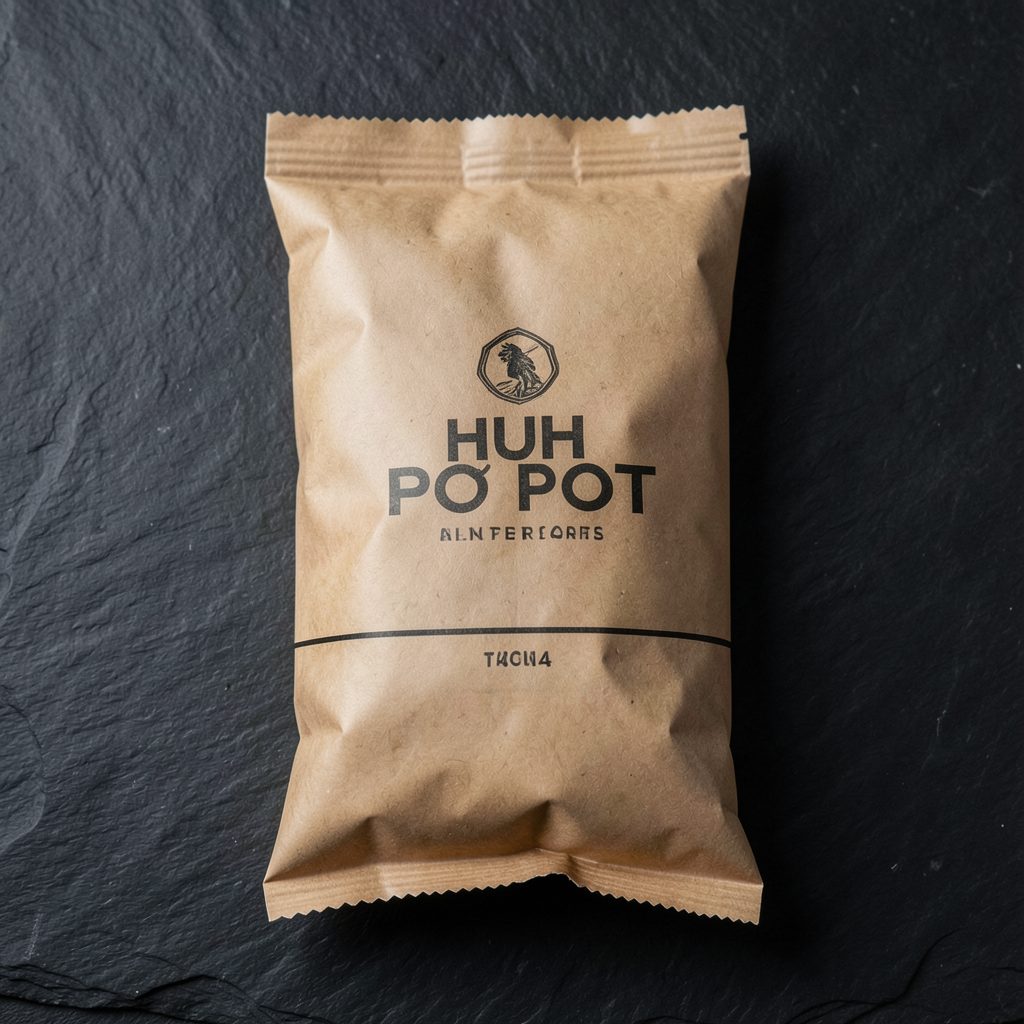
蛤?! Dry Noodles
NT$ —
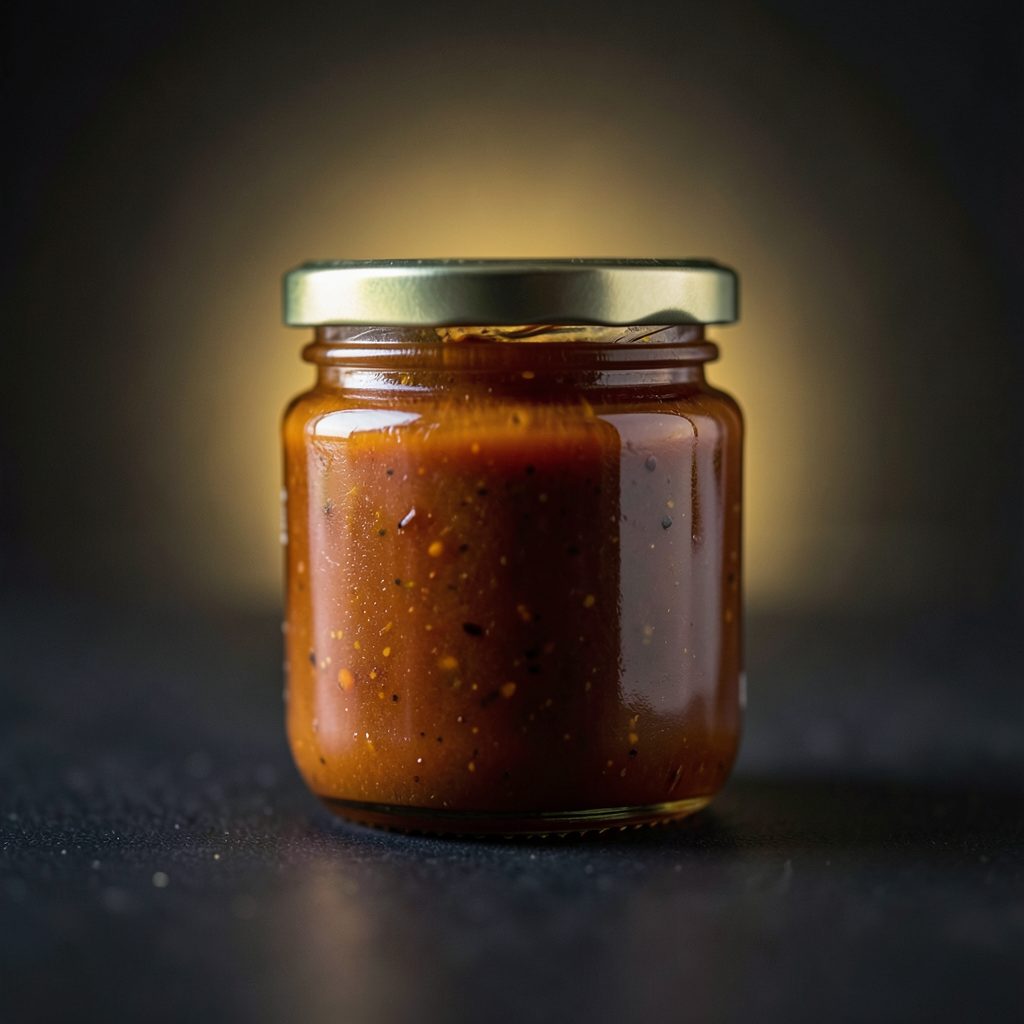
Signature Sauce
NT$ —
New Arrivals
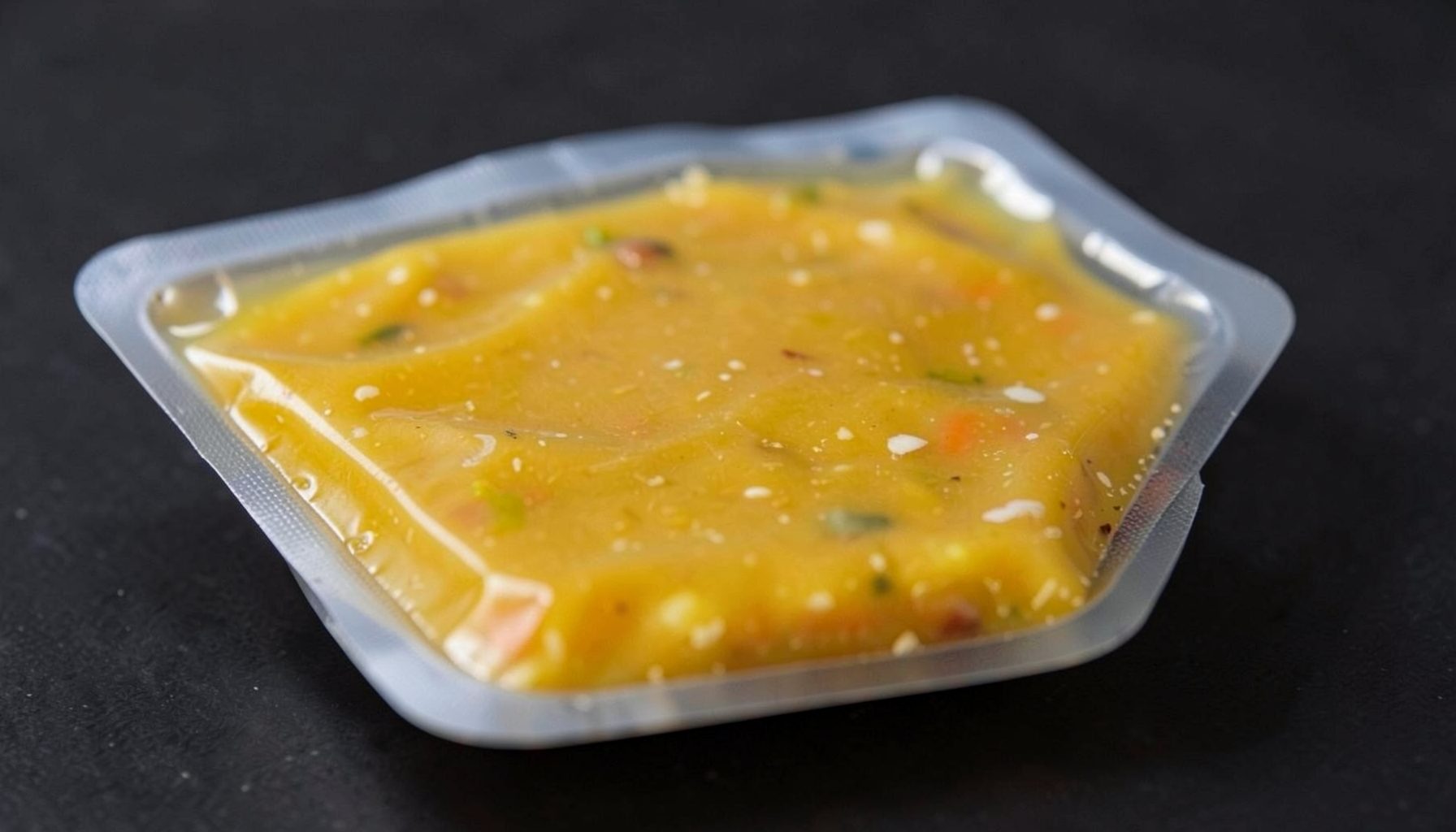
蛤?! Golden Clam Broth — New Batch
NT$ —
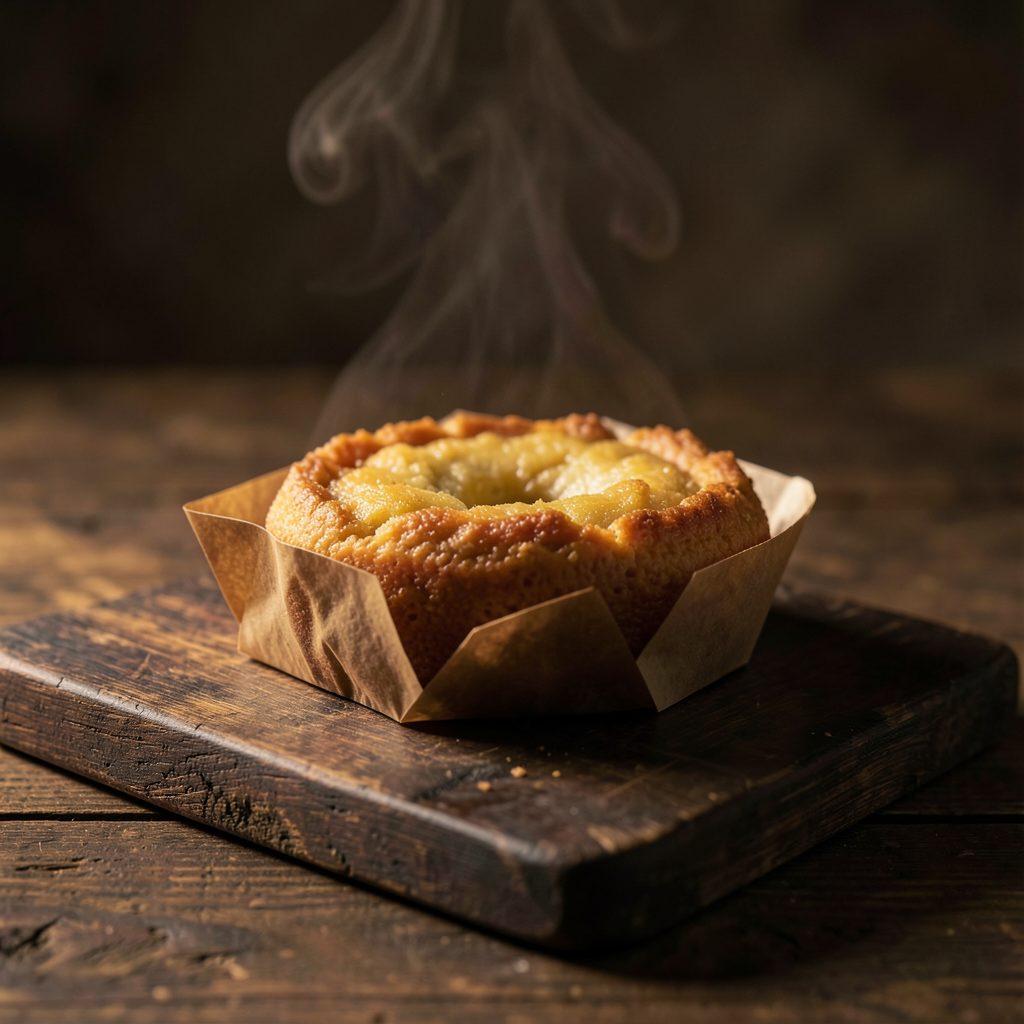
Radish Cake —蘿蔔糕精神
NT$ —
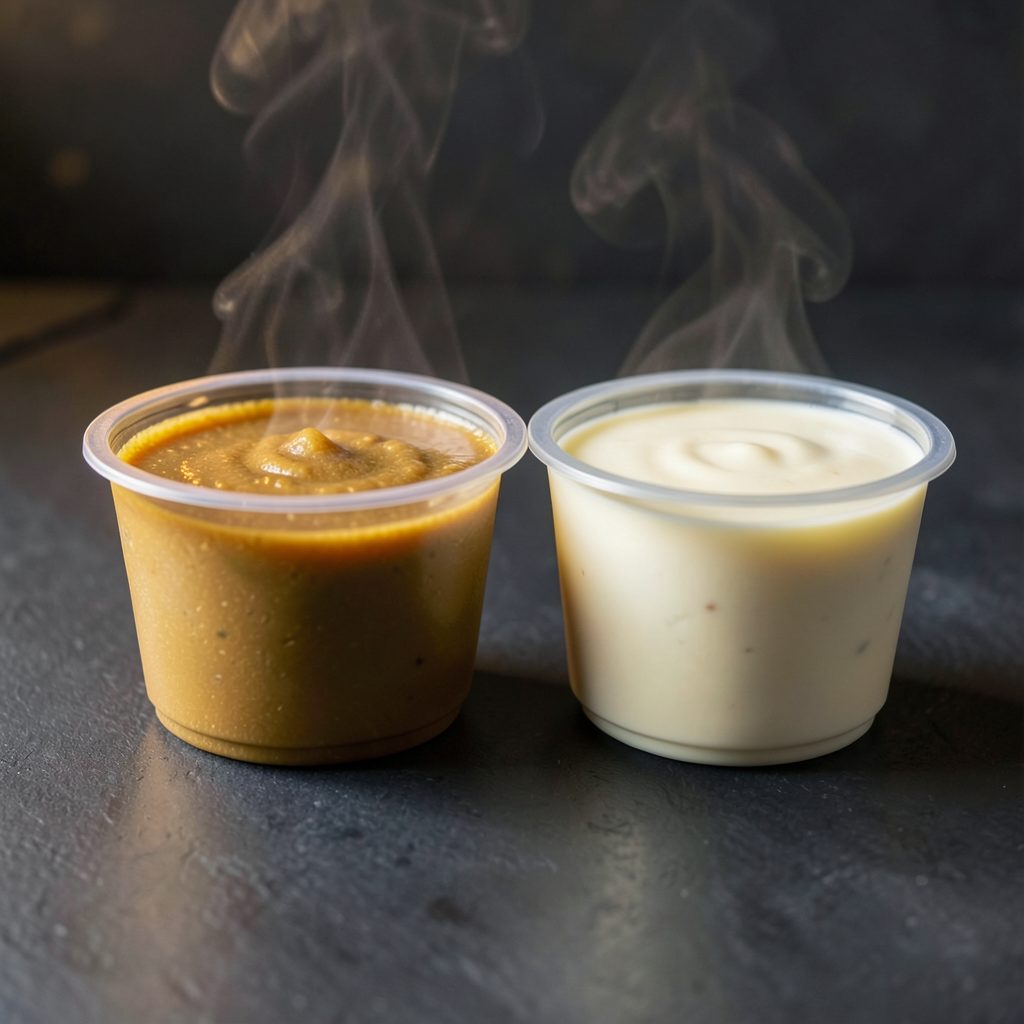
Duo Soup Base Set
NT$ —
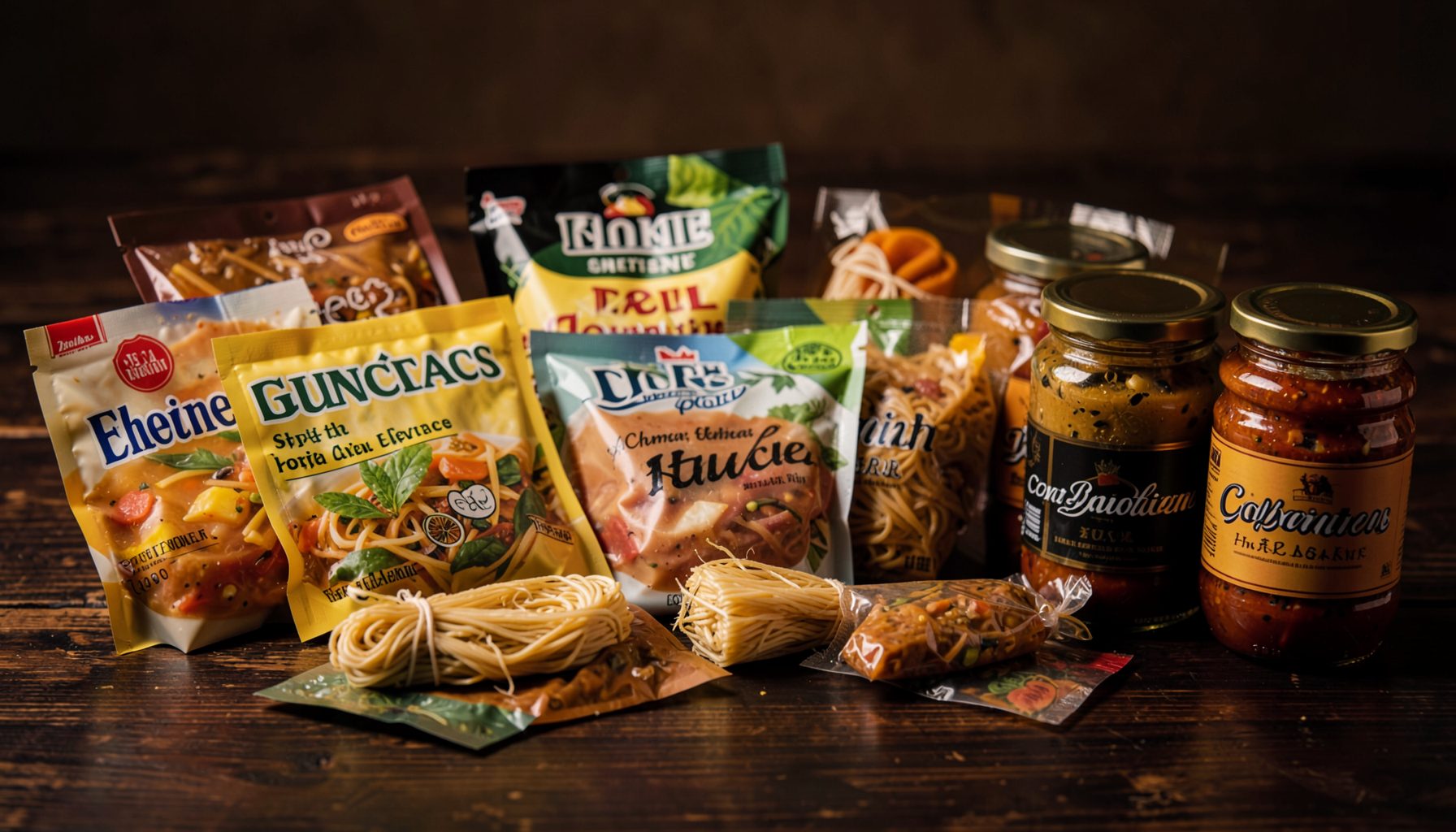
Hot Pot Essentials Bundle
NT$ —
About 蛤?! Huh Pot
蛤?! Huh Pot is a Cantonese-style hot pot brand known for its signature clam-based broth —卜卜蜆 — made with rich old-hen stock and generous portions of fresh clams. The brand also encompasses 本事滿足鍋物, a personal hot pot concept, bringing the same depth of flavor to individual servings.
Through MoneyCome Mart, these restaurant-quality soup bases, dry noodles, radish cakes, and signature sauces are available for home delivery across Taiwan. Restaurant locations in Taipei's Da'an District, Civic Boulevard, and Taichung's Gongyi Road also welcome guests for dine-in, with online reservations available.