Choosing Between Regular and Spicy Soup Bases for Home Hot Pot
The warm, social ritual of hot pot has moved well beyond its Cantonese roots, finding fans in Melbourne laneway eateries, Sydney night markets, and family kitchens across Australia. More shoppers now cook Asian food at home than ever, which makes the choice between a regular and a spicy soup base a meaningful decision for weeknight dinners and weekend gatherings.
Australians buying hot pot ingredients expect the quality they would find at a yum cha restaurant in Hurstville or a Sichuan spot in Melbourne's CBD. Cold-chain delivery, properly sealed frozen broths, and clear labelling have become the baseline. Choosing the right base sets the tone for everything that goes into the pot, from sliced beef to fresh leafy greens.
The decision is rarely about heat alone. Regular broths deliver depth and sweetness, while spicy bases offer numbing, smoky layers that change how every ingredient tastes. Understanding the differences helps buyers match the base to their diners, their pantry, and the kind of evening they want to create.
What Makes a Regular Base Different
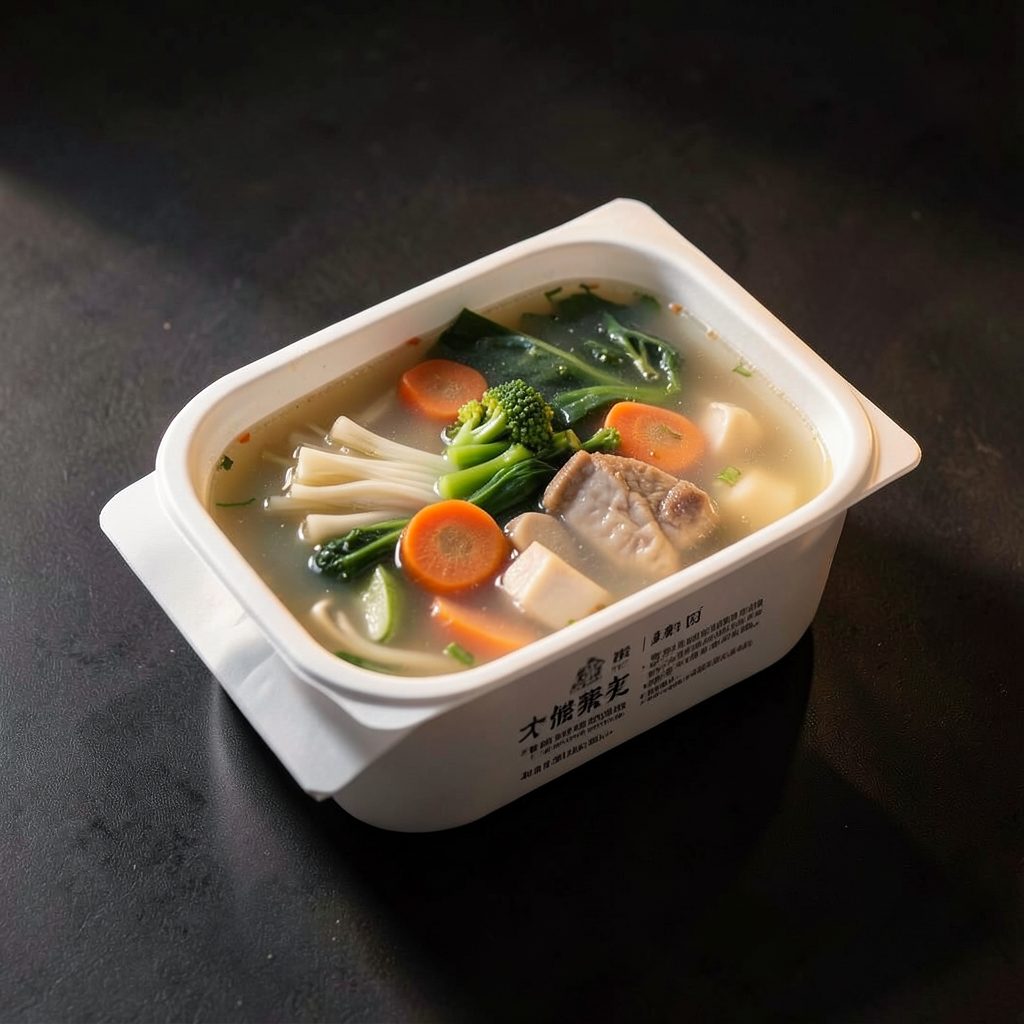
A regular Cantonese base relies on pork bones, dried seafood, chicken frames, and a long simmer to build a clear, slightly sweet broth. The flavour is gentle, which makes it forgiving when serving mixed-age groups or anyone who finds chilli heat overwhelming. In Australian households where children sit alongside adults, this neutrality is often the deciding factor.
The broth acts as a stage rather than the star. Sliced fish, prawns, tofu, and leafy Asian greens keep their character because nothing competes with the base. For shoppers in suburban Sydney or Brisbane's Sunnybank district, where fresh seafood and Asian vegetables are easy to source, a regular base lets quality ingredients shine through more cleanly.
The Character of a Spicy Soup Base
Spicy bases draw on Sichuan peppercorns, dried chillies, fermented bean paste, and a heavier oil layer to create the trademark numbing heat. The flavour is bolder, more aromatic, and noticeably richer than a regular broth. Australians who already enjoy a hot laksa from a Darwin food court or a Sichuan feast in Melbourne's Chinatown often gravitate straight toward this option.
Heat tolerance matters, but so does the type of spice. Some bottled spicy bases lean smoky and slow-building, while others hit hard from the first sip. Reading the ingredient panel helps distinguish between a broth that will mellow as ingredients cook and one that grows fiercer the longer the pot simmers.
Matching the Base to Your Diners
A mixed crowd usually calls for a split pot, but when only one base is possible, the audience decides. Family dinners with older relatives or fussy eaters often point toward the regular option. Friends gathered for a long arvo of cooking and chatting tend to welcome the punchy intensity of a spicy base.
Quick pairings to remember:
- Regular base for mixed-age tables where heat is unwelcome
- Spicy base for long social gatherings with spice-tolerant friends
- Regular broth with light seafood and leafy Asian greens
- Spicy broth with sliced beef, tripe, and slow-cooking root vegetables
Time of year also shapes the choice. Winter nights in Hobart or Canberra push people toward something warming and slow, which favours a broth with body and gentle heat. Summer evenings in Brisbane or Perth sometimes steer diners back to lighter, clearer options that pair well with crisp vegetables and chilled drinks.
Considering Local Pantry Realities
Australia's supermarket chains stock a decent range of Asian sauces, but the depth of selection varies widely. Woolworths and Coles typically carry sachet soup bases, while specialty grocers in Cabramatta, Box Hill, or Adelaide's Central Market offer far more variety. Home delivery services have narrowed that gap, letting regional shoppers access restaurant-grade frozen broths without a long drive.
Budget also shapes the choice. A one-litre frozen broth costs more than a powdered sachet, but the flavour payoff is significant. Buyers comparing value should weigh how many serves each pack provides, how much dilution the base tolerates, and whether the leftover broth can be frozen and reused. Many Australian households now keep two or three bases on rotation to suit different moods.
Reading Labels and Quality Markers
A useful broth lists real ingredients rather than vague flavour enhancers. Shoppers who glance at the back of the pack can usually spot shortcuts that affect taste.
Markers worth checking:
- Type of protein base, whether pork, chicken, seafood, or a blend
- Oil content, which signals whether the broth feels heavy or light
- Preservatives and MSG levels for households that prefer cleaner labels
- Country of origin and clear cold-chain handling instructions
Pack size matters as well. Single-meal packs suit solo dinners or small apartments, while family-sized frozen pouches work better for shared meals and leftovers.
Customising and Adjusting Flavour
Even a well-made base benefits from small additions. A splash of cooking wine, a few slices of ginger, or a handful of dried shrimp can lift a regular broth into something more personal. Anyone wanting to experiment can pick up practical techniques for lifting simple broths at home.
Spicy bases respond well to tamarind, lime, or extra chilli oil, depending on the regional direction a cook wants to take. A regular base, on the other hand, takes to corn, tomato, or winter melon for a sweeter, milder finish. The choice between regular and spicy is rarely permanent, since the broth is a starting point rather than a fixed recipe.
When Seasonal Options Change the Decision
Limited-edition broths can complicate the regular-versus-spicy question in the best possible way. A winter melon or herbal chicken base offers a refreshing change from the standard choices and works beautifully as a gentle middle ground. Households curious about these occasional releases can read why they deserve a place on the regular shopping list.
Seasonal bases also pair nicely with what's fresh at the local green grocer. Spring and summer lean toward herbs, melon, and lighter proteins, while autumn menus favour root vegetables and richer meats. Keeping an eye on the rotation means the choice between regular and spicy never feels stuck, no matter the time of year.
Best Sellers
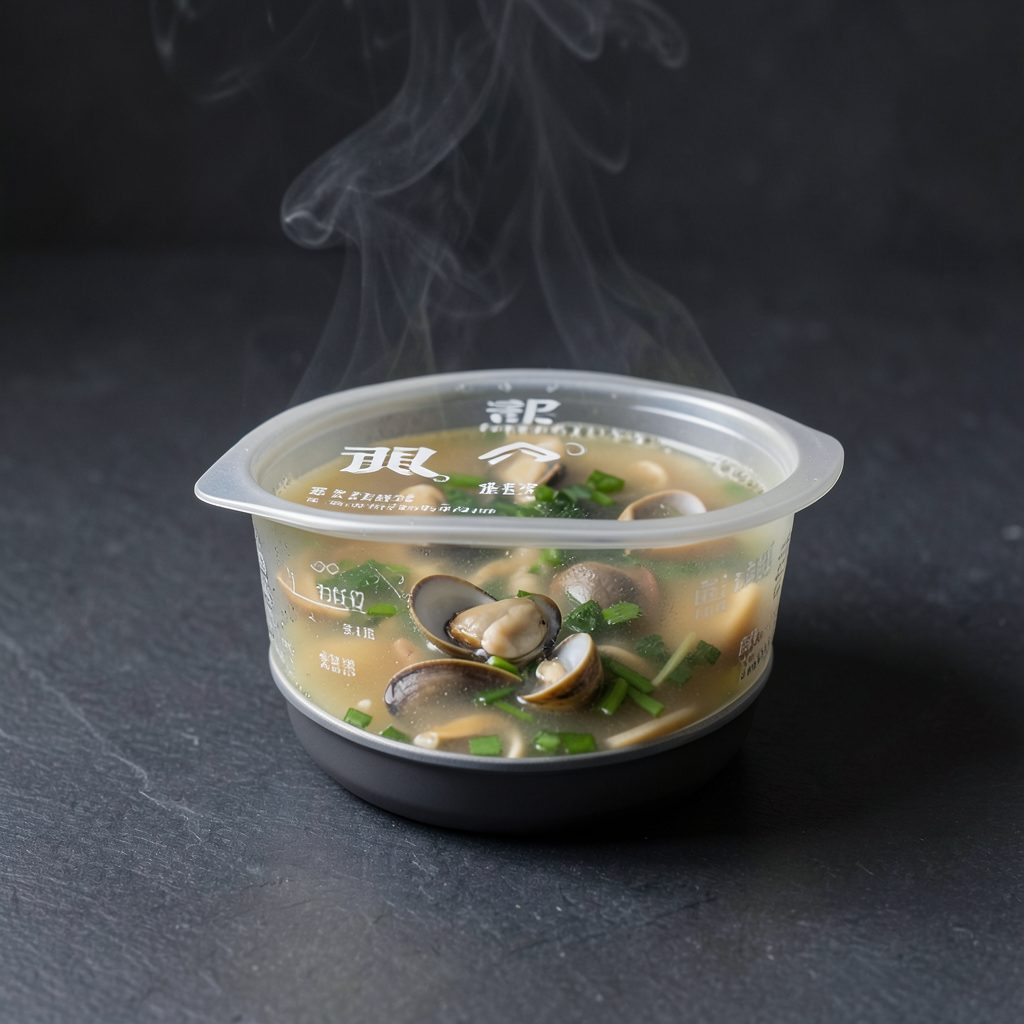
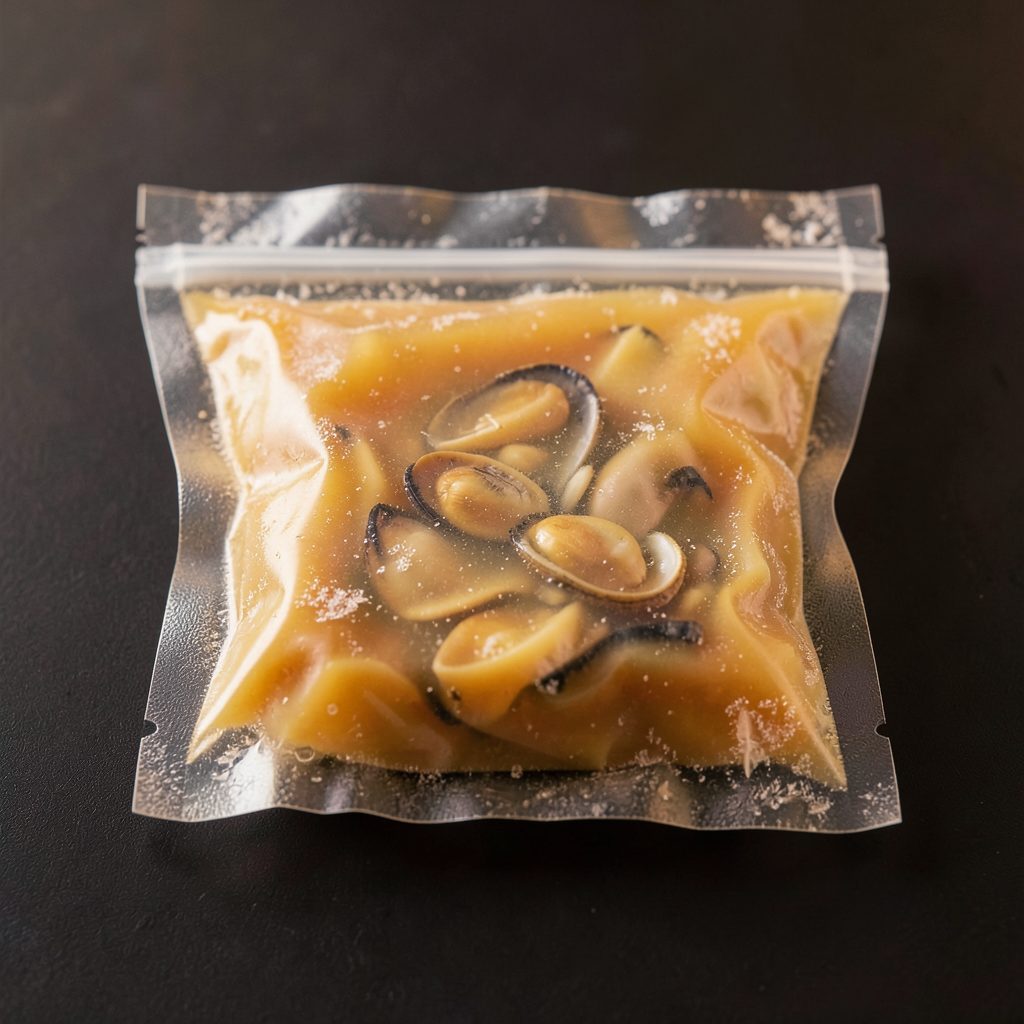
蛤?! Clam Soup Base —卜卜蜆
NT$ —
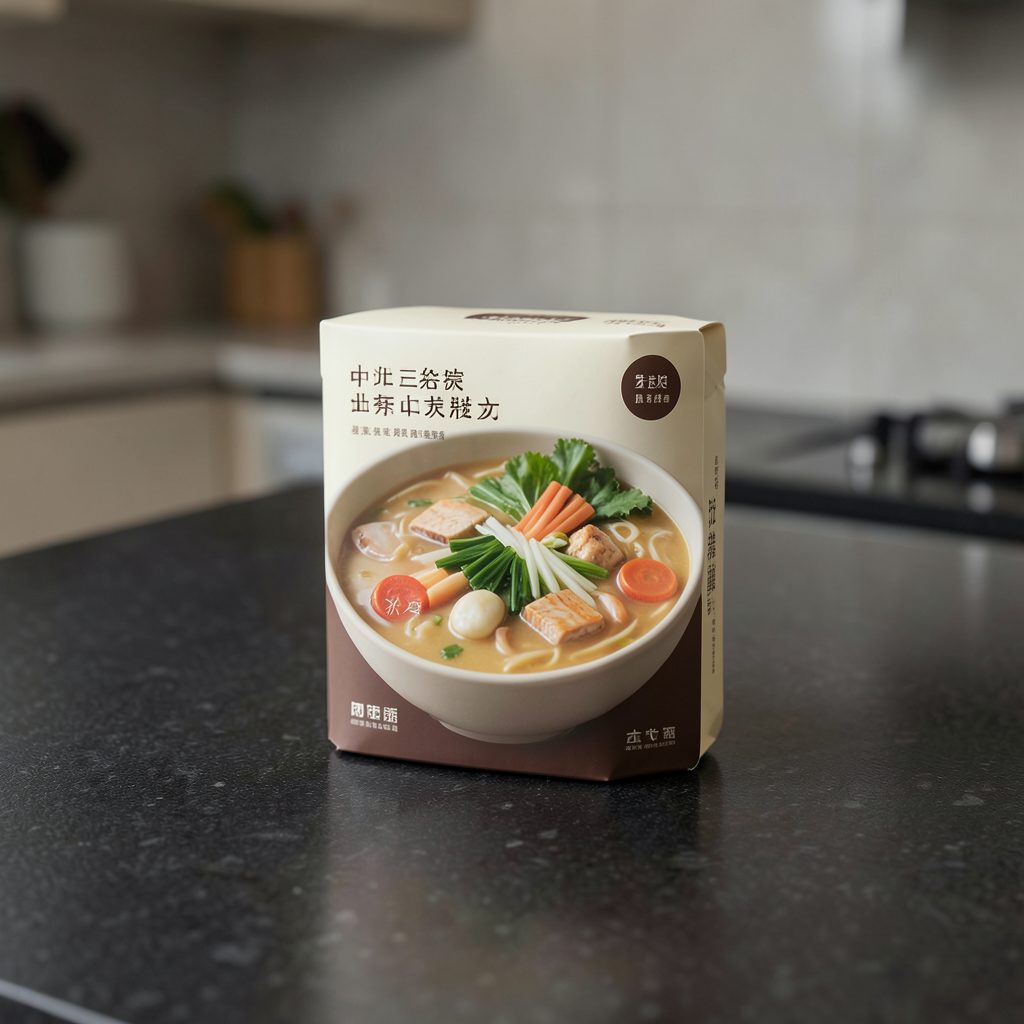
本事滿足鍋物 Personal Pot Base
NT$ —
蛤?! Dry Noodles
NT$ —
Signature Sauce
NT$ —
New Arrivals
蛤?! Golden Clam Broth — New Batch
NT$ —
Radish Cake —蘿蔔糕精神
NT$ —
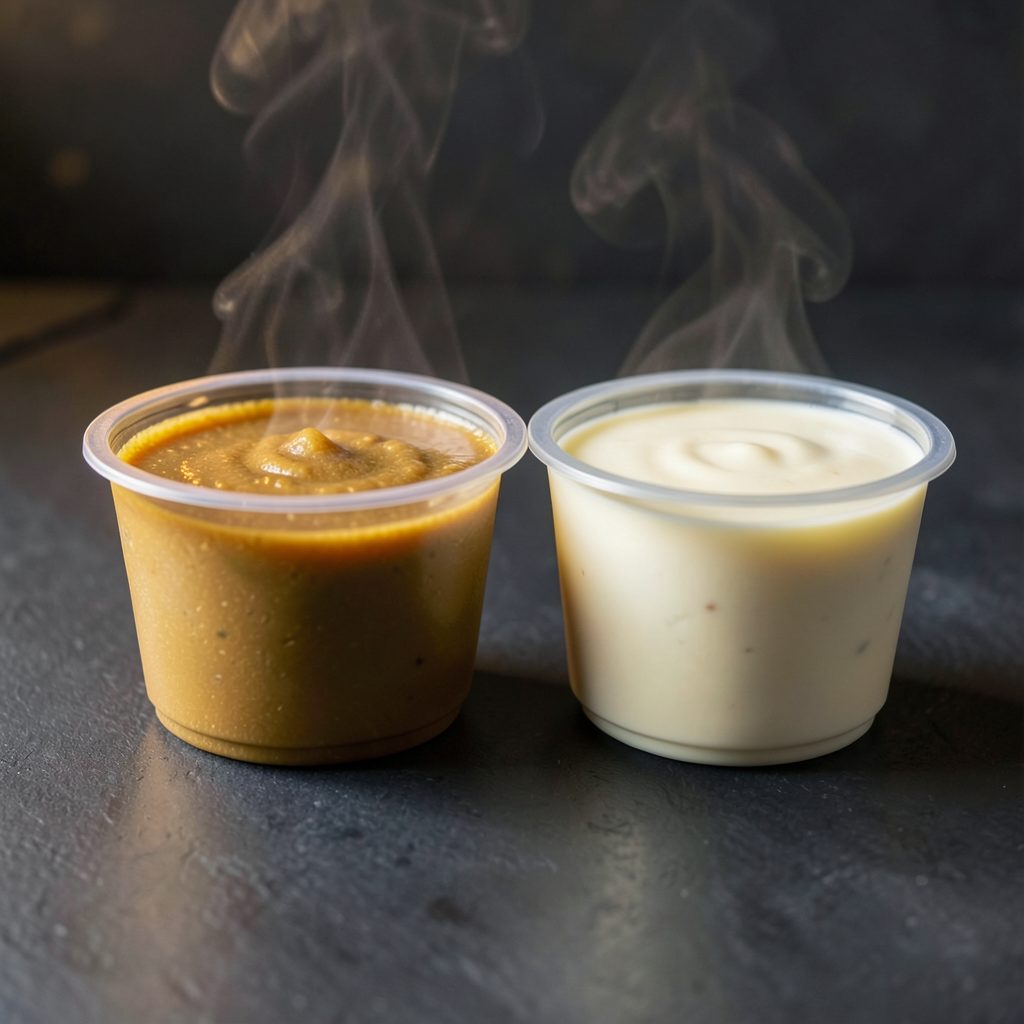
Duo Soup Base Set
NT$ —
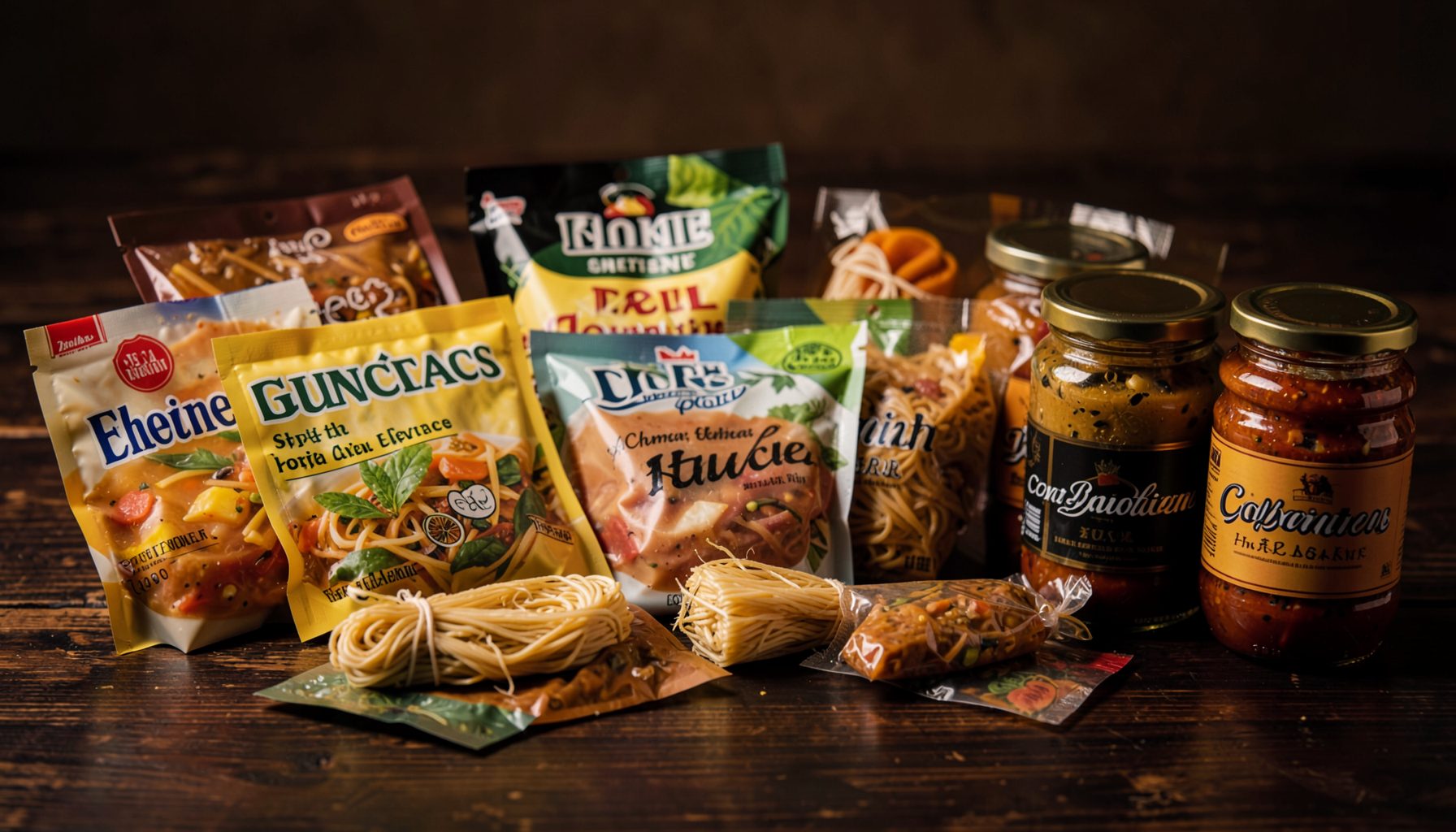
Hot Pot Essentials Bundle
NT$ —
About 蛤?! Huh Pot
蛤?! Huh Pot is a Cantonese-style hot pot brand known for its signature clam-based broth —卜卜蜆 — made with rich old-hen stock and generous portions of fresh clams. The brand also encompasses 本事滿足鍋物, a personal hot pot concept, bringing the same depth of flavor to individual servings.
Through MoneyCome Mart, these restaurant-quality soup bases, dry noodles, radish cakes, and signature sauces are available for home delivery across Taiwan. Restaurant locations in Taipei's Da'an District, Civic Boulevard, and Taichung's Gongyi Road also welcome guests for dine-in, with online reservations available.