How to Build the Perfect Cantonese Hot Pot Broth from Frozen Soup Bases
A great Cantonese hot pot begins with a broth that is fragrant, balanced, and strong enough to flavor every ingredient without overwhelming it. Frozen soup bases make that process practical at home: they preserve a carefully developed stock while reducing preparation time to a few simple steps.
The best results come from treating a frozen base as the foundation rather than the finished dish. Water, aromatics, seafood, vegetables, sauces, and cooking time all affect the final taste. With a few thoughtful adjustments, a packaged soup base can become a restaurant-style hot pot broth for family meals or relaxed gatherings.
Cold-chain delivery is especially important for frozen soup products. Keep the base frozen until you are ready to use it, thaw it safely, and prepare it soon after opening. This helps protect its texture, aroma, and intended flavor profile.
Choose a broth that suits the meal
Start by considering the ingredients you plan to serve. A mild clam broth pairs well with seafood, tofu, leafy greens, and rice noodles because its briny flavor adds depth without masking delicate ingredients. Richer chicken, pork, or herbal broths are better suited to beef slices, mushrooms, dumplings, and hearty root vegetables.
Check the package instructions before adding water. Some frozen soup bases are concentrated and need dilution, while others are already seasoned for direct heating. Using too little water can make the broth salty as it reduces, while too much can flatten the aroma.
For an authentic brand background and a closer look at the flavors behind the meal, explore the Huh Pot story. Understanding the style of the original hot pot can help you choose complementary ingredients and seasonings.
Build a fragrant flavor foundation
Even a well-made frozen broth benefits from fresh aromatics. Add a few slices of ginger, bruised scallions, and a small amount of garlic while the soup warms. These ingredients brighten the stock and soften strong seafood or meat aromas.
For a more traditional Cantonese profile, try dried shiitake mushrooms, white pepper, cilantro stems, or a small piece of dried tangerine peel. Use these additions sparingly. The goal is to extend the broth’s fragrance, not replace its original character.
Avoid adding every aromatic at once. Ginger and scallion are versatile starting points, while star anise, cinnamon, and chili should be reserved for broths that can support stronger spice. Simmer aromatics for 10 to 15 minutes, then remove anything that becomes bitter or overpowering.
Balance salt, sweetness, and umami
Taste the broth after it has come to a gentle simmer, before adding ingredients that release salt or starch. If it tastes too concentrated, add hot water in small amounts. If it seems thin, simmer uncovered briefly or add a spoonful of mushroom soaking liquid for extra savoriness.
A small amount of rock sugar can soften sharp saltiness, while white pepper adds warmth without the heavier flavor of chili. For seafood broths, a splash of Shaoxing wine or a few drops of toasted sesame oil can add complexity. Add these gradually because their aromas become more noticeable as the soup heats.
Sauces should be served beside the pot rather than mixed into the main broth. A dipping sauce made with sesame paste, soy sauce, chili oil, scallion, or garlic allows each person to customize their bowl and keeps the soup cleaner for later ingredients.
Match the broth to the cooking sequence
The order of ingredients affects both flavor and clarity. Begin with items that need time to cook, such as daikon, corn, pumpkin, carrots, and thick mushrooms. Their natural sweetness will gradually enrich the soup.
Add tofu, fish balls, dumplings, turnip cakes, and noodles after the broth is hot and seasoned. Leafy greens should go in near the end so they stay fresh and do not make the stock cloudy. Thin slices of beef, pork, and lamb cook in seconds and are best swished through the simmering broth just before eating.
| Ingredient group | Best cooking time | Effect on the broth |
|---|---|---|
| Daikon, corn, and carrots | 10–20 minutes | Adds gentle sweetness |
| Mushrooms and tofu | 5–10 minutes | Builds earthy umami |
| Fish balls and dumplings | 4–8 minutes | Adds savory richness |
| Noodles and turnip cake | 2–5 minutes | Releases starch and body |
| Leafy greens | 30–90 seconds | Keeps flavor fresh |
| Thin meat slices | 10–30 seconds | Best texture and tenderness |
Keep the simmer gentle and safe
A rolling boil can break apart delicate seafood products, cloud the soup, and evaporate liquid too quickly. Maintain a steady simmer, topping up with hot water whenever the level drops. A portable induction cooker makes it easier to control heat throughout the meal.
Use separate tongs or chopsticks for raw meat and ready-to-eat food. Cook seafood, poultry, and meat thoroughly, and avoid leaving the pot at room temperature for long periods. If the broth becomes heavily diluted or oily after several rounds, refresh it with a little reserved soup base or hot water rather than adding large amounts of seasoning at once.
Frozen ingredients should remain properly chilled until cooking. Thaw soup bases according to their packaging instructions, and never refreeze a fully thawed product unless the manufacturer specifically permits it.
Recommendations for a more satisfying hot pot
A few finishing choices can make the meal feel more complete without complicating preparation.
- Add one fresh aromatic layer, such as ginger and scallion, before adjusting salt.
- Keep a kettle of hot water nearby for controlled dilution during the meal.
- Serve two dipping sauces, such as sesame-garlic and soy-chili, for contrast.
- Cook noodles and starches later so they do not thicken the broth too early.
- Reserve a portion of the original soup base for refreshing the pot between rounds.
Turn the broth into a complete home meal
The perfect Cantonese hot pot broth is flexible. Start with a frozen soup base, then shape it around the people at the table: mild seafood for a lighter meal, mushroom-rich stock for vegetarians, or a deeper savory broth for meat and dumplings. Fresh aromatics and careful timing will do more for the flavor than adding many competing seasonings.
Select a broth, prepare your ingredients, and create a warm Cantonese hot pot at home with the convenience of cold-chain delivery and ready-to-cook products from MoneyCome Mart.
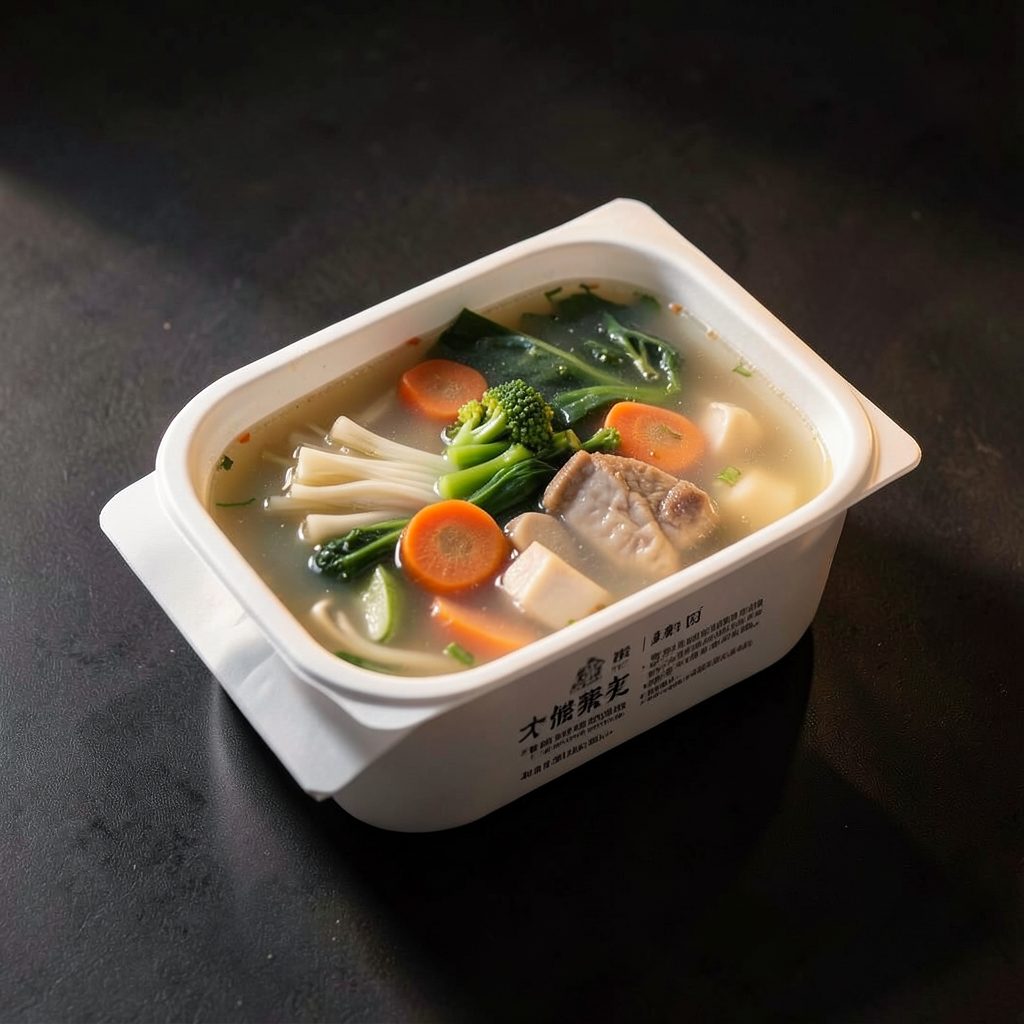
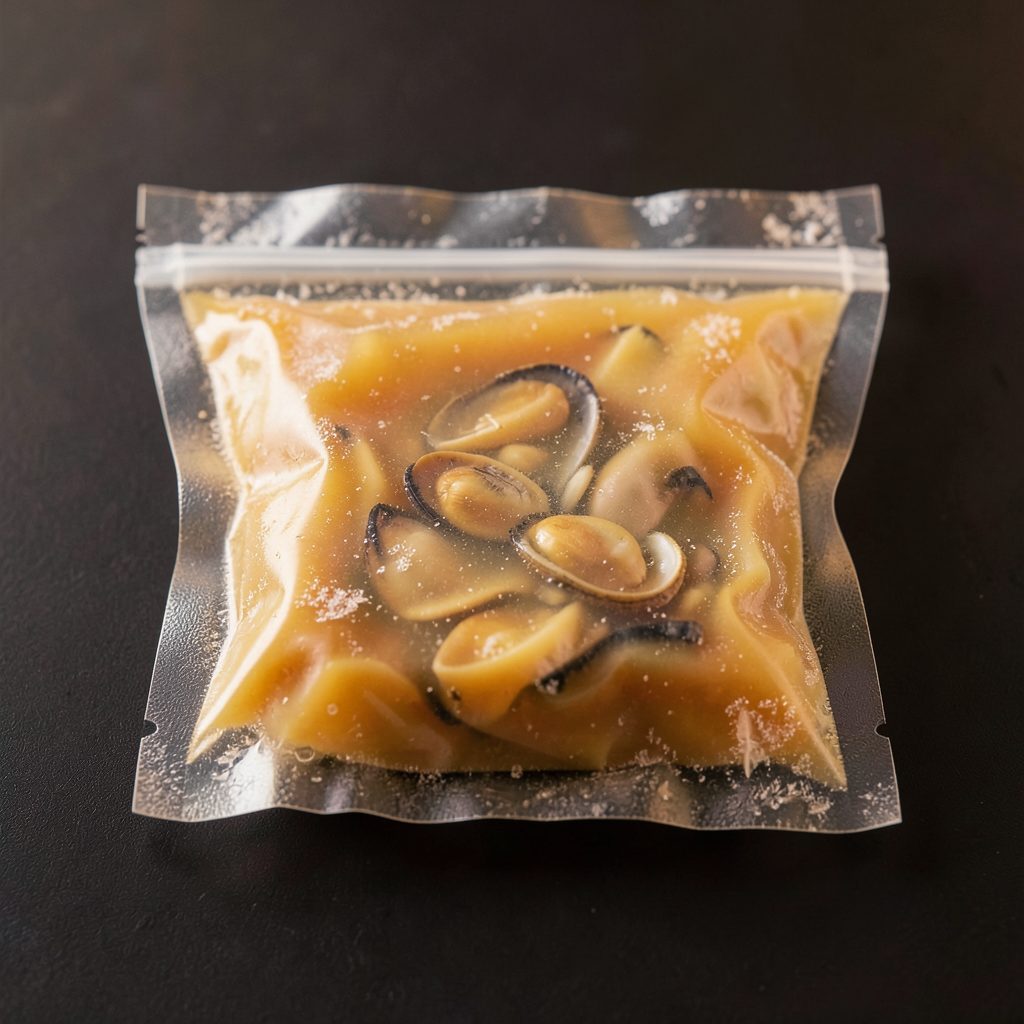
Best Sellers
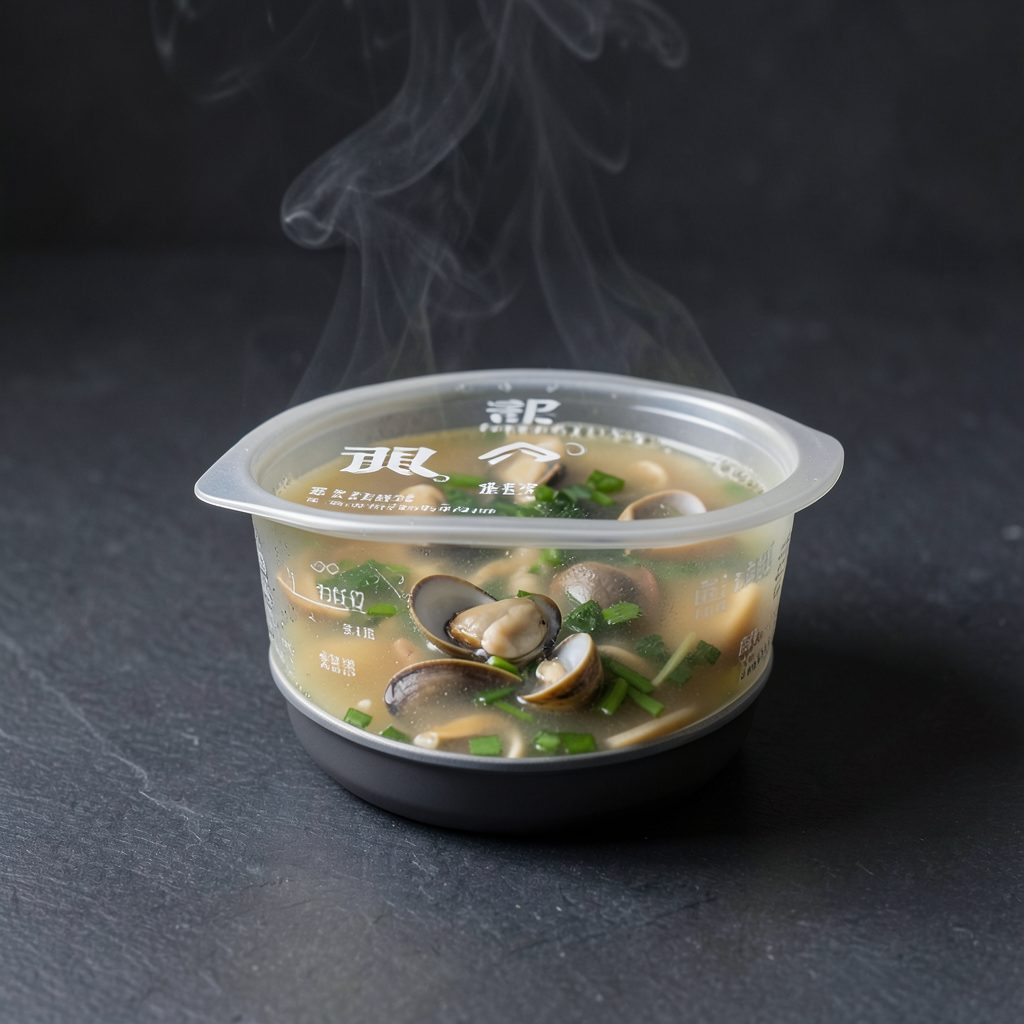
蛤?! Clam Soup Base —卜卜蜆
NT$ —
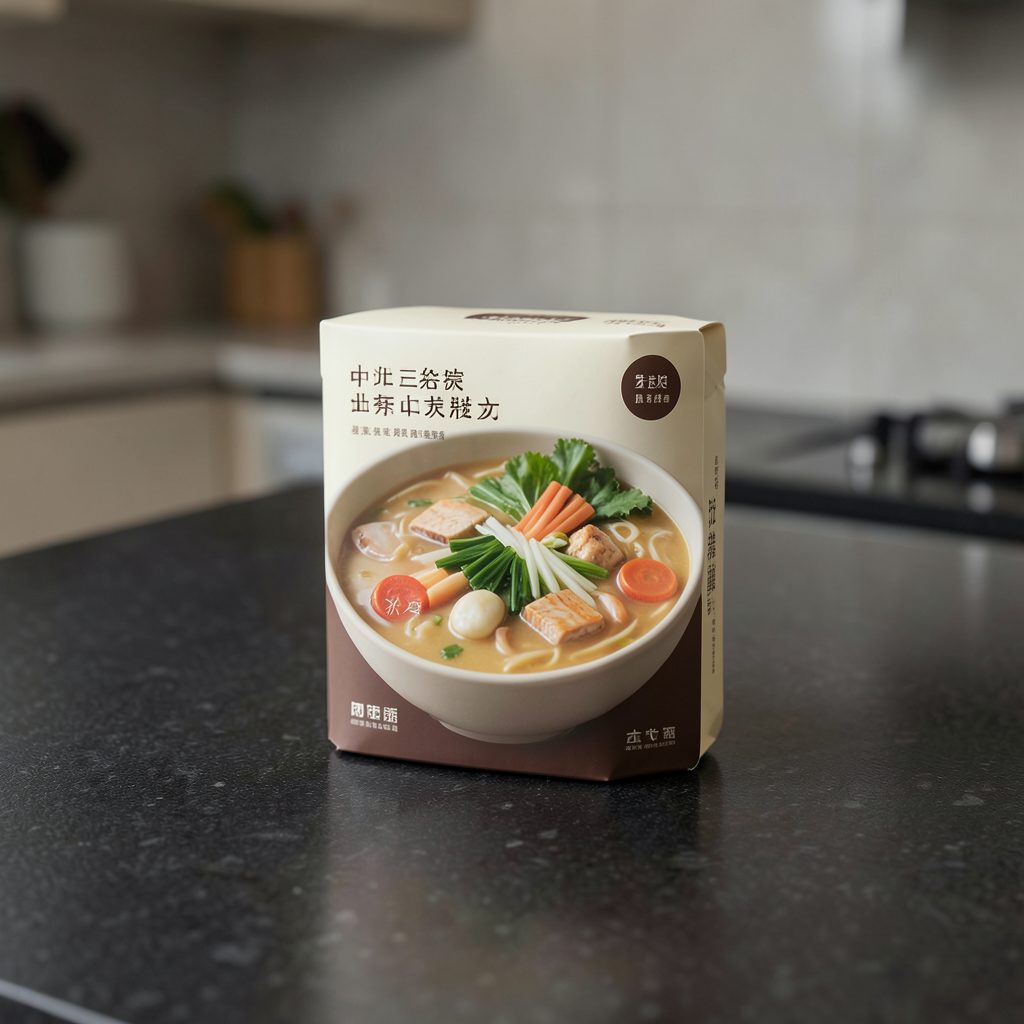
本事滿足鍋物 Personal Pot Base
NT$ —
蛤?! Dry Noodles
NT$ —
Signature Sauce
NT$ —
New Arrivals
蛤?! Golden Clam Broth — New Batch
NT$ —
Radish Cake —蘿蔔糕精神
NT$ —
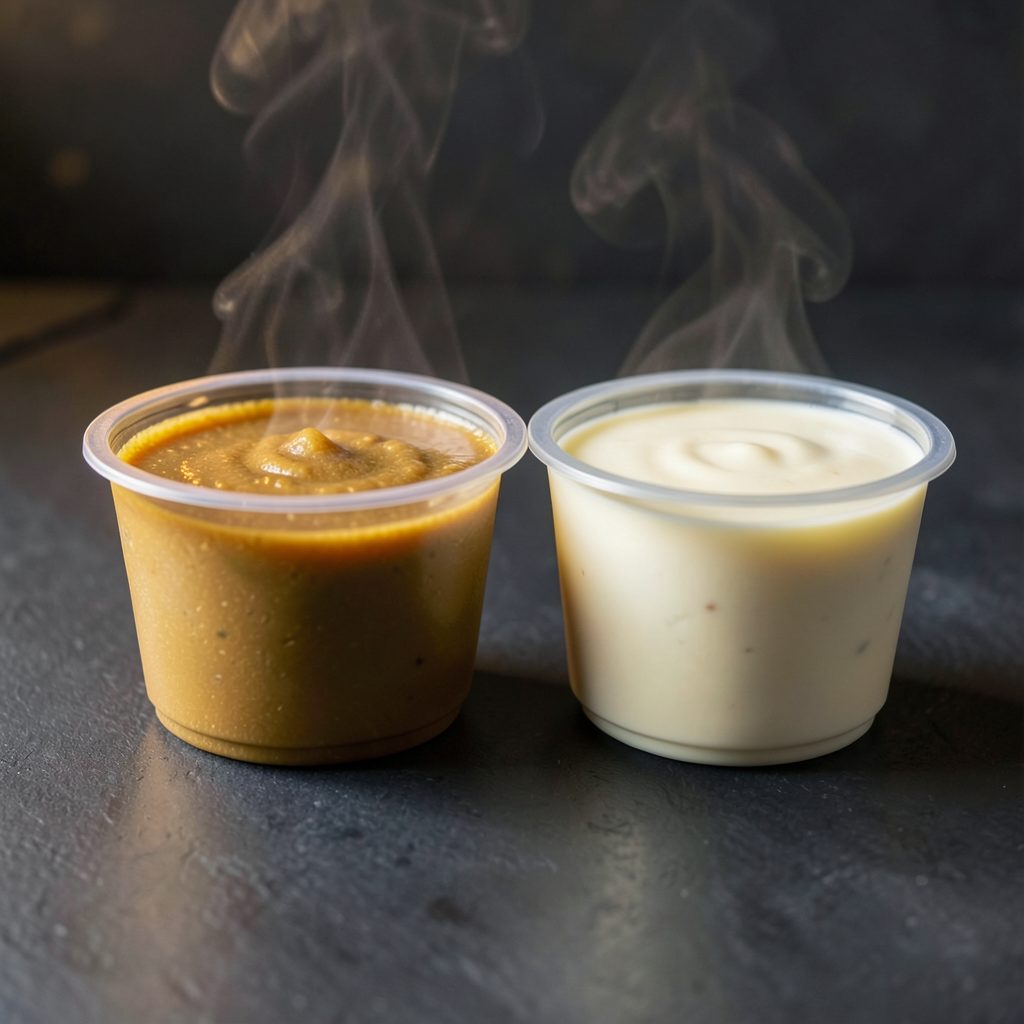
Duo Soup Base Set
NT$ —

Hot Pot Essentials Bundle
NT$ —
About 蛤?! Huh Pot
蛤?! Huh Pot is a Cantonese-style hot pot brand known for its signature clam-based broth —卜卜蜆 — made with rich old-hen stock and generous portions of fresh clams. The brand also encompasses 本事滿足鍋物, a personal hot pot concept, bringing the same depth of flavor to individual servings.
Through MoneyCome Mart, these restaurant-quality soup bases, dry noodles, radish cakes, and signature sauces are available for home delivery across Taiwan. Restaurant locations in Taipei's Da'an District, Civic Boulevard, and Taichung's Gongyi Road also welcome guests for dine-in, with online reservations available.