Balancing rich soup bases with light dipping sauces
Hot pot is built around contrast: a fragrant, concentrated broth gives vegetables, seafood and thinly sliced meat a deep Cantonese character, while a dipping sauce keeps each bite fresh and individually seasoned. When both elements are intensely salty, oily or sweet, the meal can quickly become heavy. A lighter sauce lets the soup base remain the centre of the table without overwhelming delicate ingredients.
This approach suits Australian home cooking, where hot pot often brings together supermarket staples, local seafood and whatever vegetables are in season. Whether you are cooking in a Sydney apartment, sharing dinner on a cool Melbourne evening or hosting friends in Brisbane, a few small adjustments can make a packaged broth taste balanced and restaurant-like.
Start by assessing the soup base
Read the flavour profile before mixing a dipping sauce. A spicy mala-style broth may be rich with chilli oil and fermented notes, while a clam broth usually brings briny sweetness and a cleaner finish. Herbal, mushroom and tomato bases each need a different level of acidity, salt and aromatic intensity.
For a full-bodied base, dilute gradually with water or unsalted stock rather than adding a large amount at once. Begin with roughly one part liquid to four or five parts soup base, then taste after it simmers. This preserves the broth’s aroma while reducing the concentration of salt and fat.
A frozen Cantonese broth can be a useful starting point when you want consistent flavour at home; options such as Cantonese soup bases can provide the depth that would otherwise require hours of preparation. Keep the package directions in mind, especially when the base contains seafood, spice or concentrated seasoning.
Build freshness into the dipping sauce
A light sauce generally needs three elements: a modest salty component, a bright acidic note and fresh aromatics. Soy sauce can provide savouriness, but use it sparingly when the broth is already seasoned. Rice vinegar, black vinegar, lime juice or a small amount of lemon can cut through richness without making the sauce sharp.
Try two teaspoons of light soy sauce with one teaspoon of rice vinegar, a splash of water, sliced spring onion and coriander. For more fragrance, add grated ginger, minced garlic or finely sliced chilli. Sesame oil should be treated as a finishing accent rather than the main liquid; a few drops are often enough.
Australian produce makes these sauces easy to customise. Lime, coriander, spring onions and bird’s-eye chillies are widely available, while lemon works well when lime prices rise or supply is limited. A small dish of finely chopped cucumber can also bring a cooling contrast to a spicy broth.
Match the sauce to each ingredient
Seafood benefits from clean, sharp flavours. Prawns, scallops, fish balls and clams pair well with citrus, ginger, coriander and a restrained amount of soy. Avoid a thick sesame-heavy sauce for fragile seafood, as its roasted flavour can mask sweetness from the ocean.
Beef and lamb can handle stronger aromatics, including garlic, chilli and fermented bean curd. For sliced chicken, try a lighter sesame-soy dressing loosened with water and balanced with vinegar. Tofu and mushrooms absorb seasoning readily, so a sauce with spring onion, ginger and citrus gives them definition without excessive salt.
Noodles and leafy greens often carry broth to the plate, making them taste more seasoned than expected. Dip them briefly, allow excess liquid to drain and use a sauce with extra acidity rather than extra soy. This keeps the final mouthful lively even after several rounds at the table.
Control heat, salt and sweetness
Chilli is best added in layers. Keep the main pot moderately spicy and offer chilli oil, fresh chilli or chilli crisp at the table. This allows different diners to adjust their own bowls, which is useful when children or guests have different tolerance levels.
Salt balance also changes as the pot cooks. Seafood, dumplings, fish cakes and processed meat products can release seasoning into the broth, so taste again halfway through the meal before adding more stock concentrate. A splash of water is usually a better correction than extra sugar.
Sweetness should support the aromatics rather than compete with them. If a sauce contains hoisin sauce, sweet chilli sauce or oyster sauce, combine it with vinegar and water to prevent a sticky, dense finish. For a cleaner style, omit sweeteners entirely and rely on fresh ginger, citrus and toasted sesame seeds.
Keep the hot pot safe and comfortable
Australian households should follow the storage and reheating directions supplied with frozen products. Food Standards Australia New Zealand guidance places importance on temperature control, safe handling and clear allergen information, so keep frozen soup bases properly chilled and avoid leaving raw ingredients at room temperature for extended periods.
Use separate utensils for raw meat and ready-to-eat foods, and maintain a steady simmer throughout cooking. This matters in compact kitchens and apartment dining areas, where the electric hob may cycle on and off. Prepare seafood, sliced meats and vegetables in small batches so the pot does not lose heat.
Cold-chain delivery is especially important for frozen foods. When ordering in Taiwan, check the delivery instructions and move products to the freezer promptly. Australian readers applying the same method with local groceries should plan the shopping trip around refrigeration, particularly during warm weather in Perth, Sydney or Darwin.
Serve a balanced table
The most successful hot pot spread offers different textures and levels of richness. Pair a concentrated broth with leafy greens, Chinese cabbage, mushrooms, tofu, prawns and thin noodles. If the table includes fatty beef, luncheon meat or fried items such as turnip cake, add more fresh vegetables and keep the dipping sauce especially bright.
Set out two or three sauces rather than one overloaded bowl. A citrus-ginger sauce, a garlic-chilli sauce and a mild sesame option give guests room to adjust their meal. Label sauces that contain peanuts, sesame, gluten or seafood ingredients, since Australian food labelling and allergy awareness are important when serving a mixed group.
- Dilute a rich broth gradually and taste it again after adding seafood or dumplings.
- Use vinegar, citrus and fresh herbs to create lift without extra salt.
- Add chilli oil at the table instead of making the entire pot fiery.
- Keep raw and cooked ingredients separate, with chilled storage until needed.
- Offer several light sauces so each guest can match the seasoning to their bowl.
A balanced hot pot does not require a thin or bland broth. The aim is to give the soup depth while using the dipping sauce for freshness, aroma and personal adjustment. With careful seasoning and safe preparation, a concentrated Cantonese base can work beautifully alongside Australian ingredients and relaxed home dining.
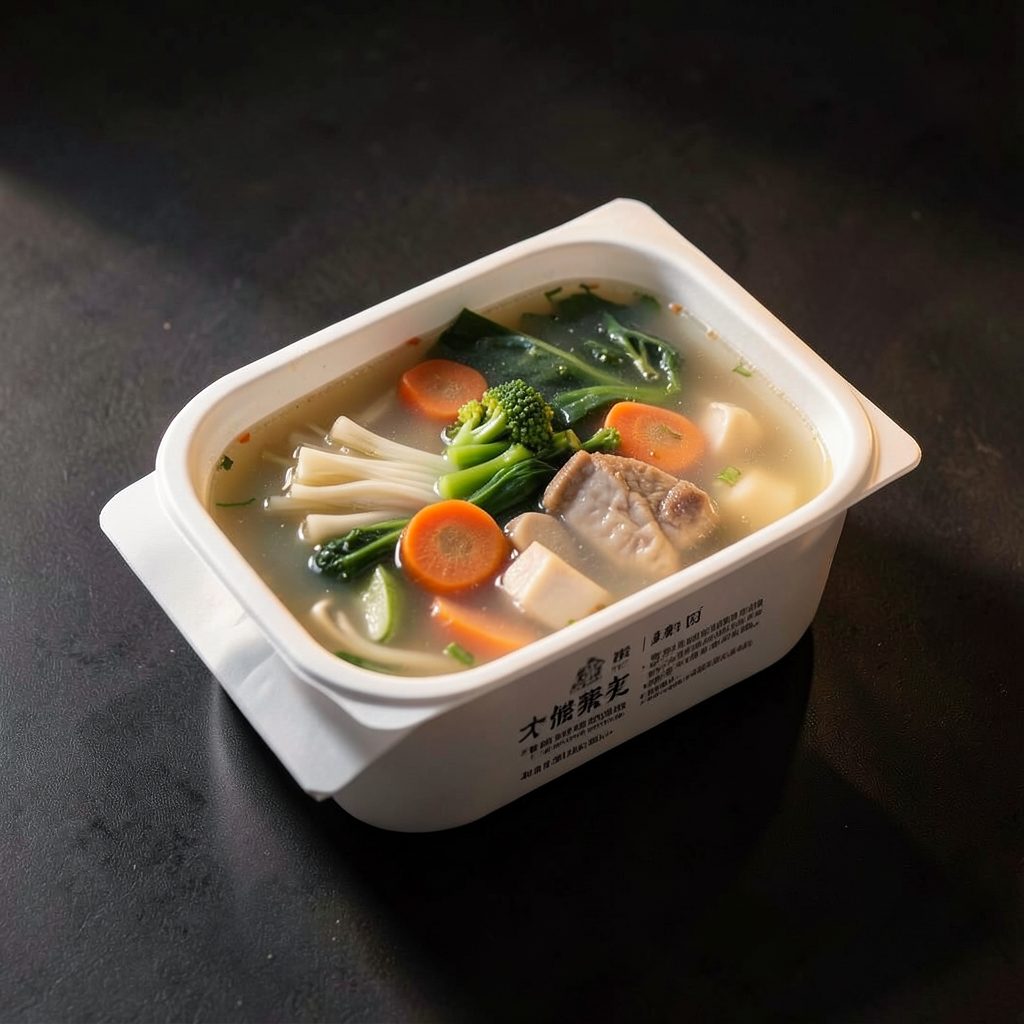
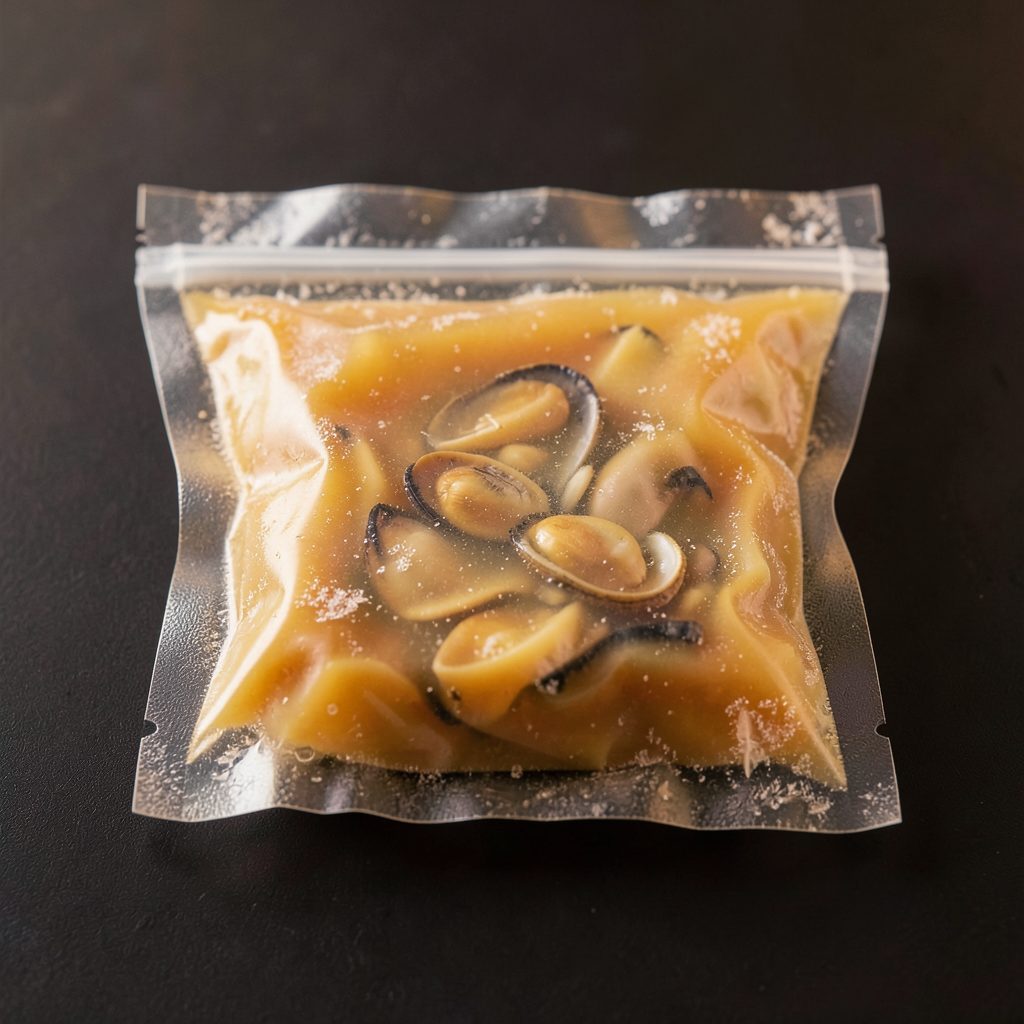
Best Sellers
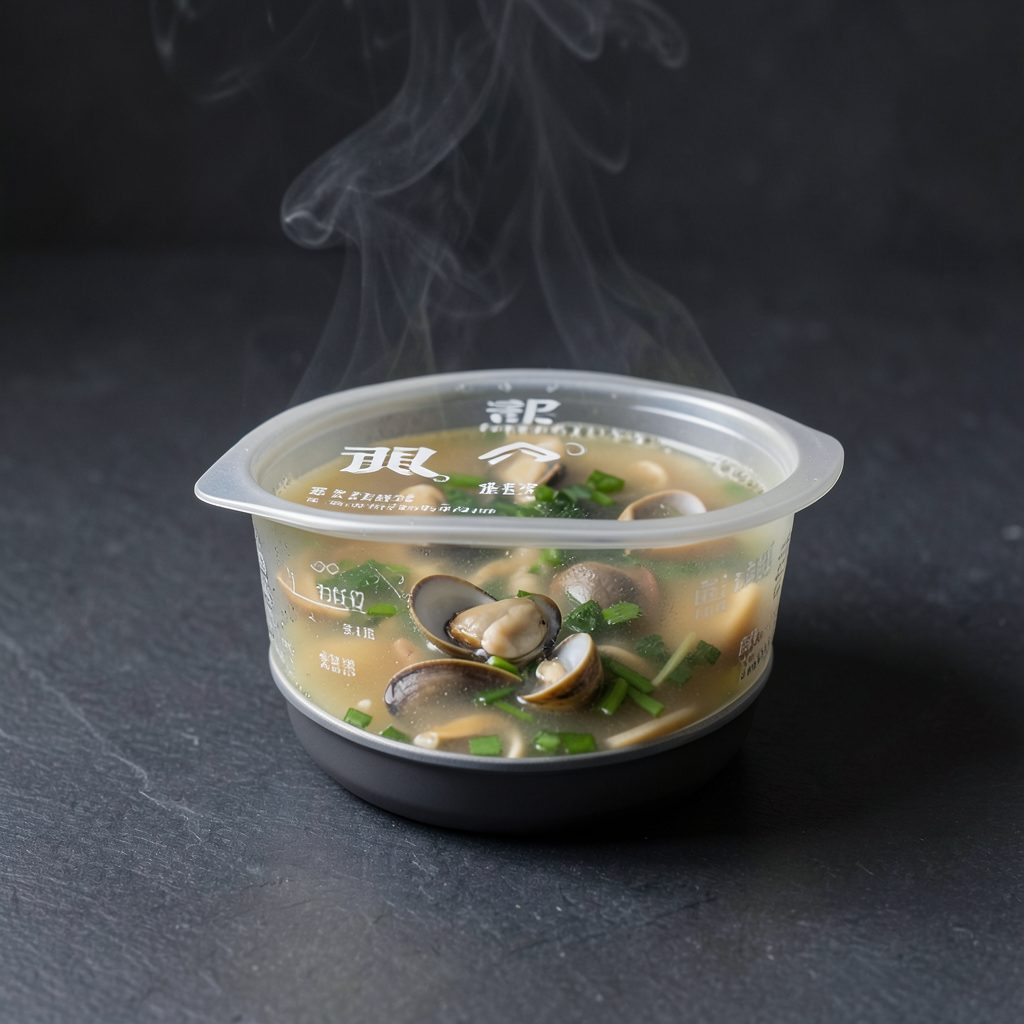
蛤?! Clam Soup Base —卜卜蜆
NT$ —
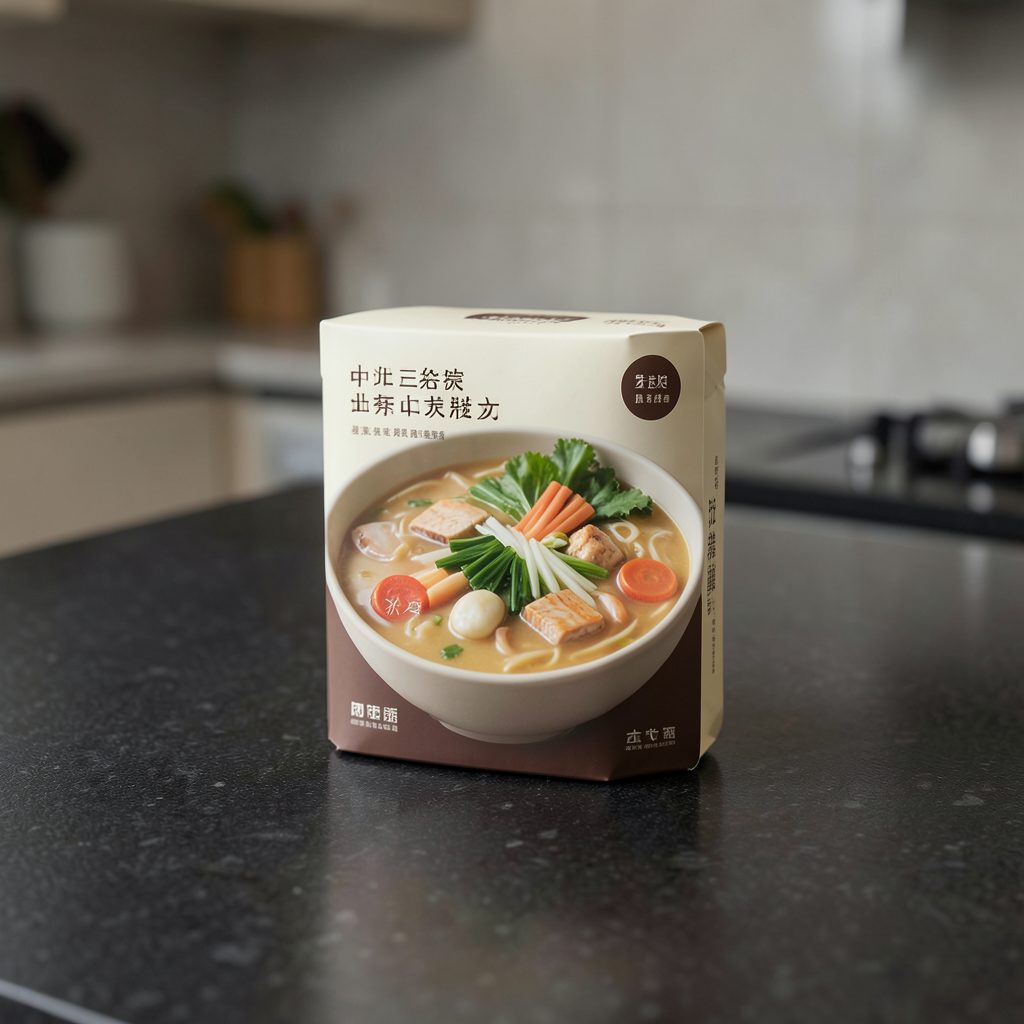
本事滿足鍋物 Personal Pot Base
NT$ —
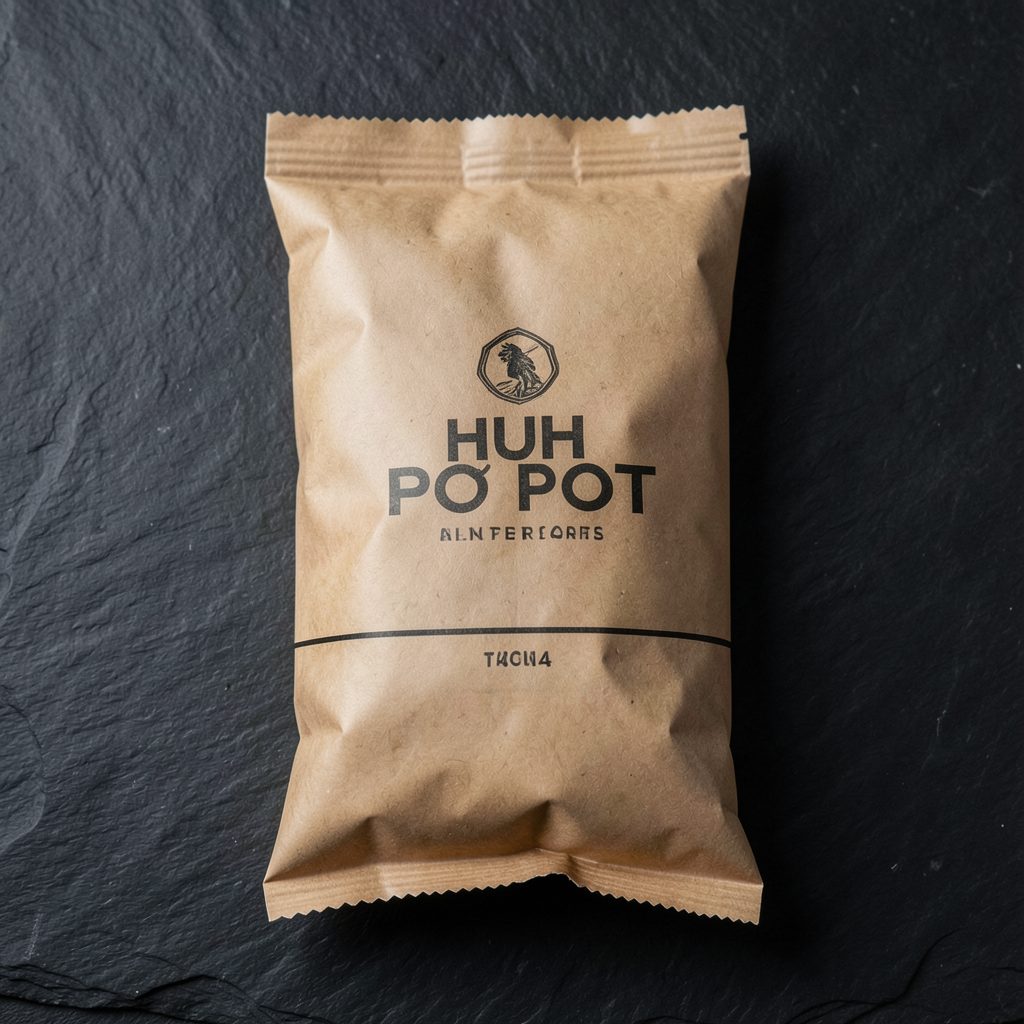
蛤?! Dry Noodles
NT$ —
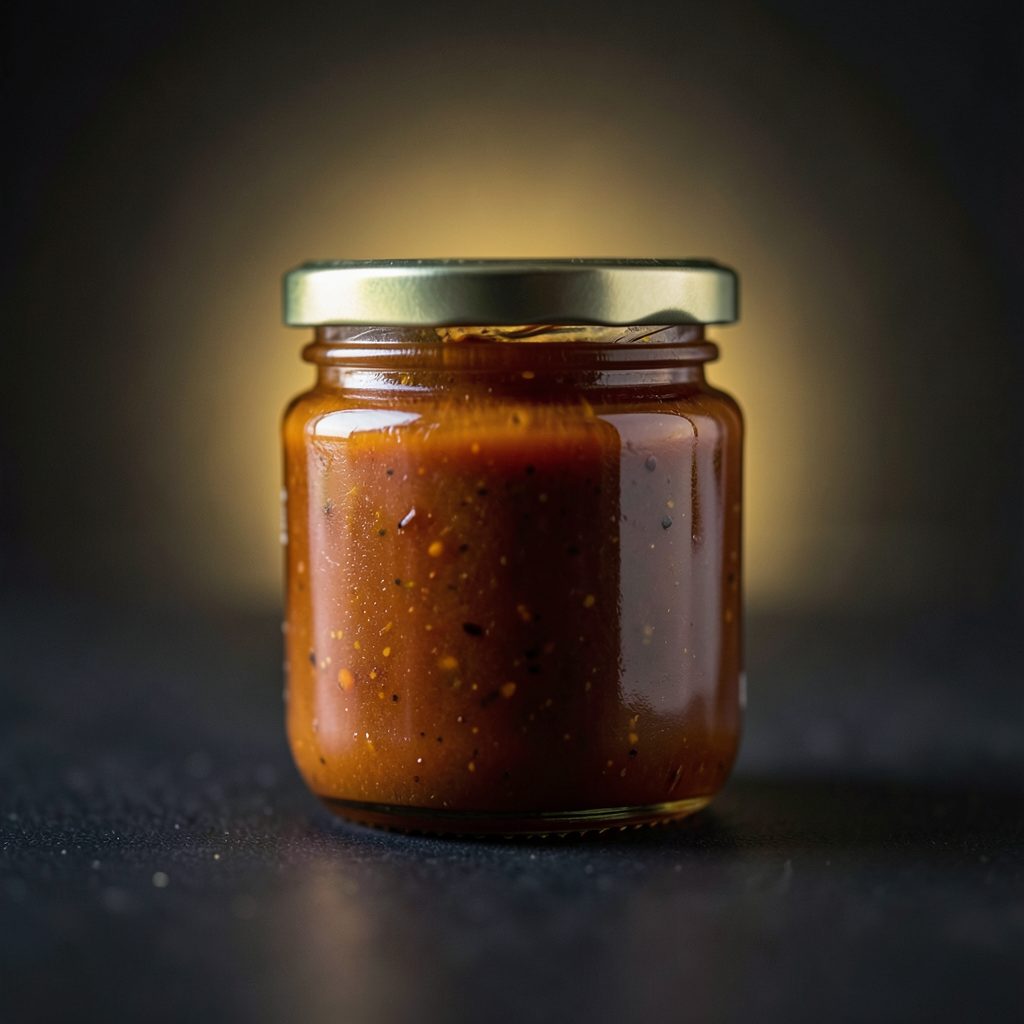
Signature Sauce
NT$ —
New Arrivals
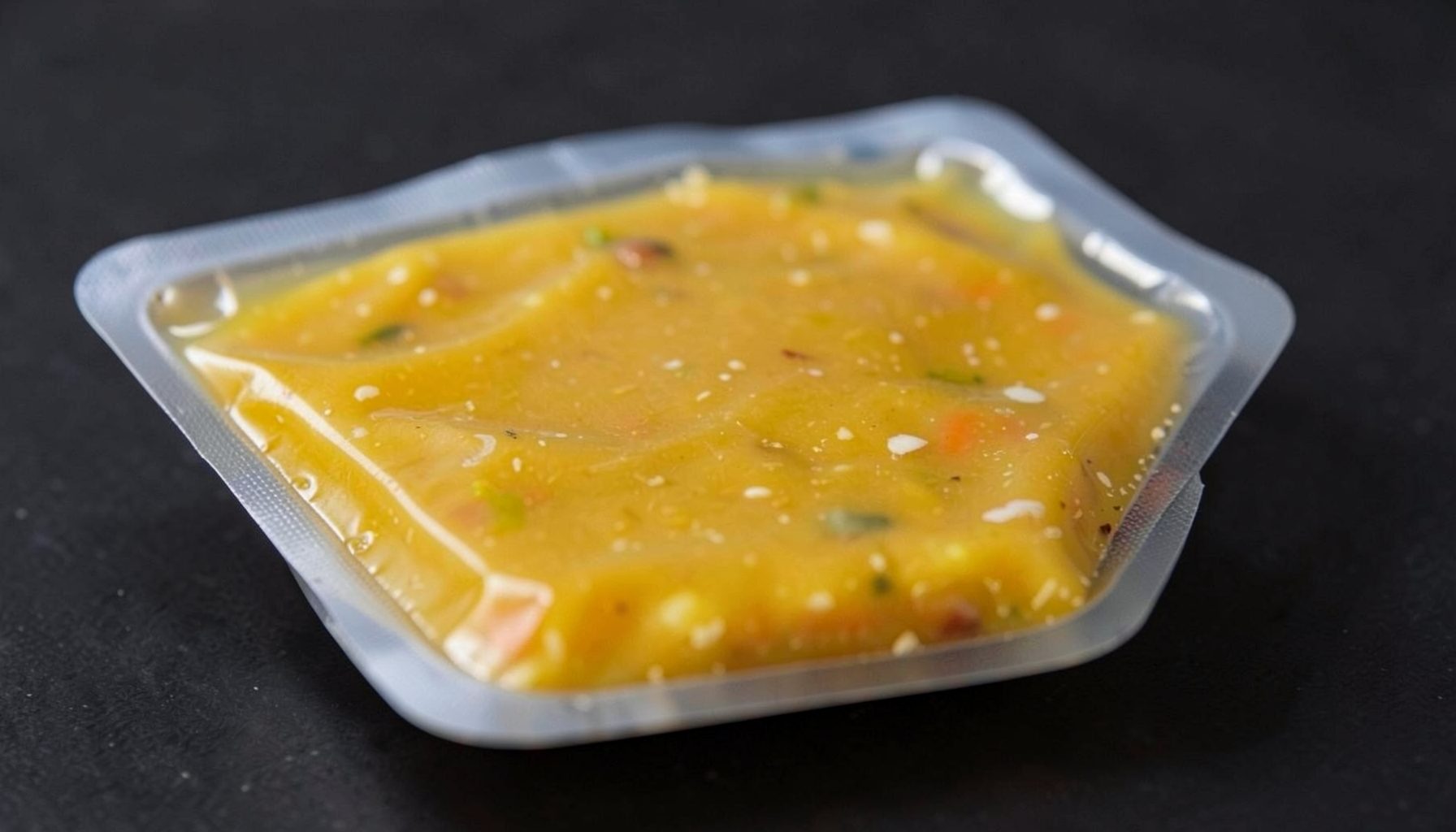
蛤?! Golden Clam Broth — New Batch
NT$ —
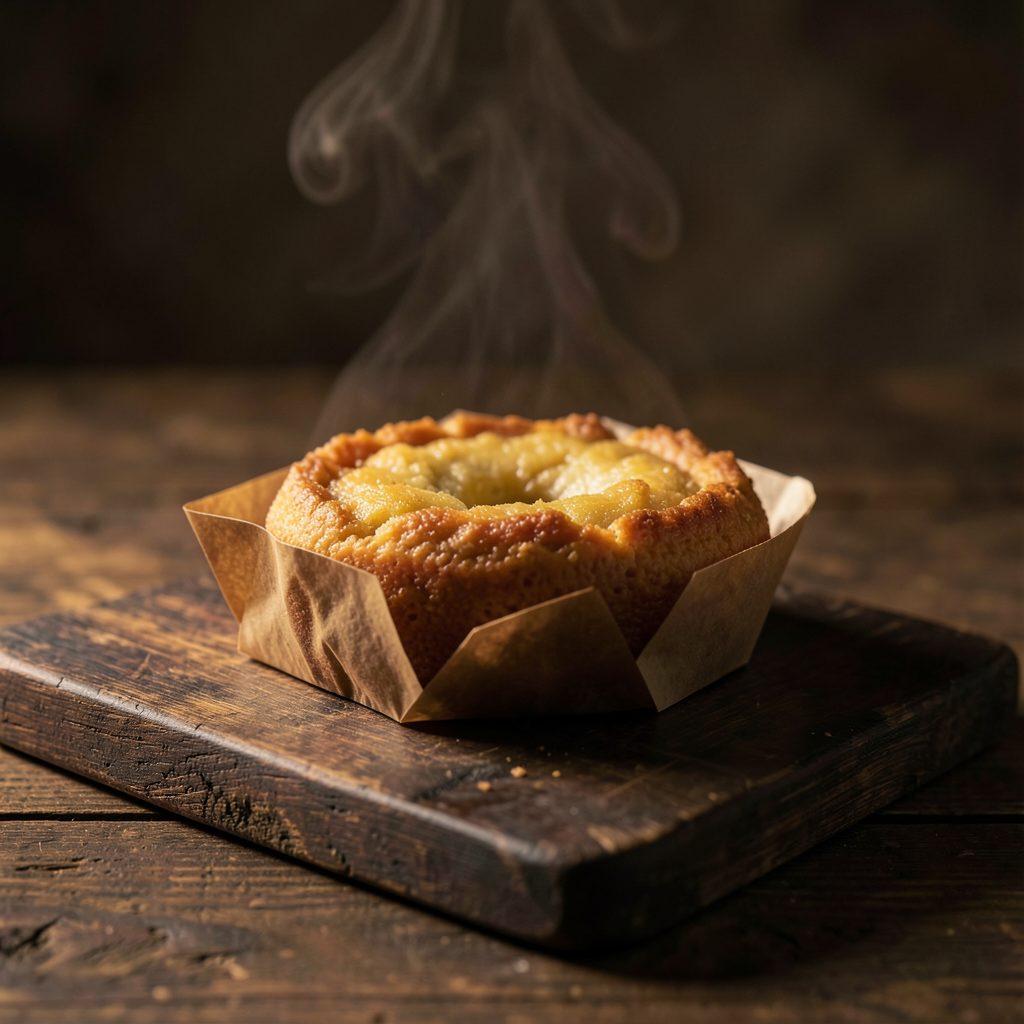
Radish Cake —蘿蔔糕精神
NT$ —
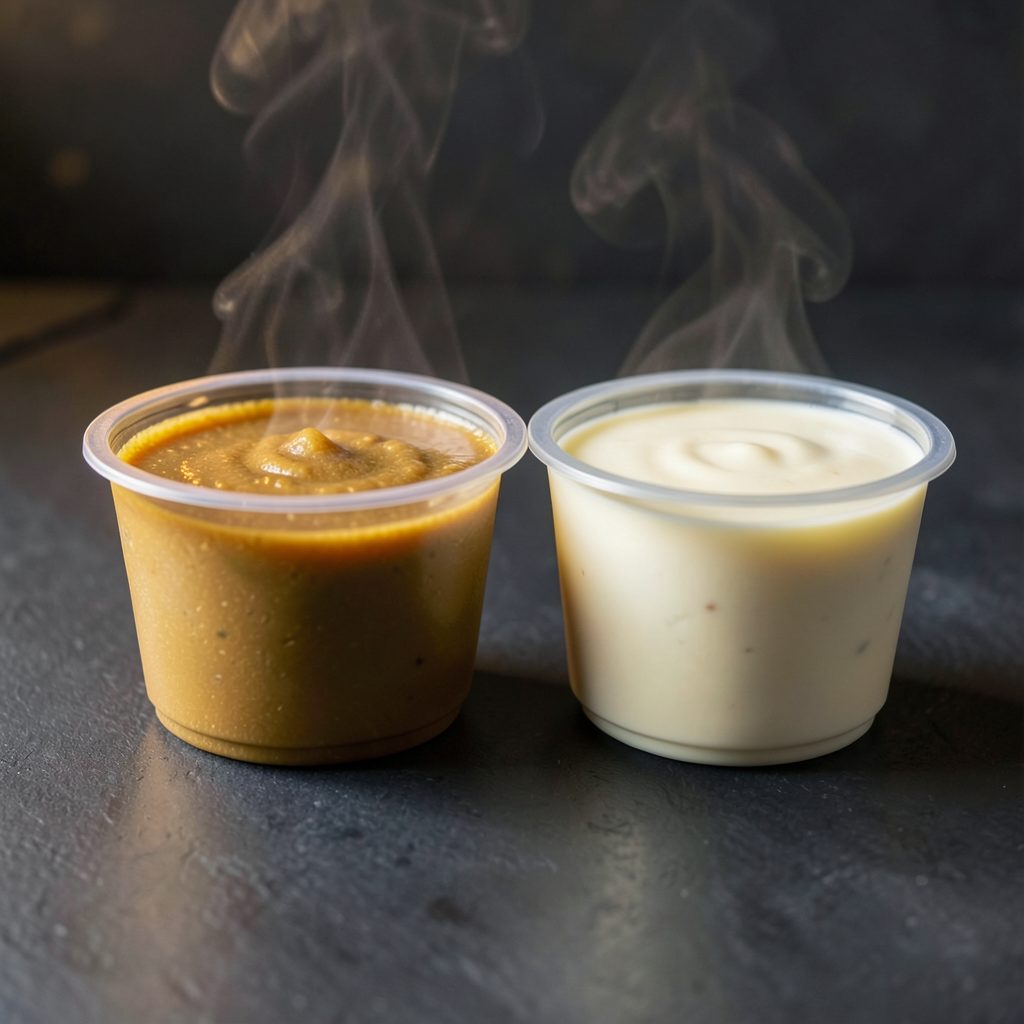
Duo Soup Base Set
NT$ —
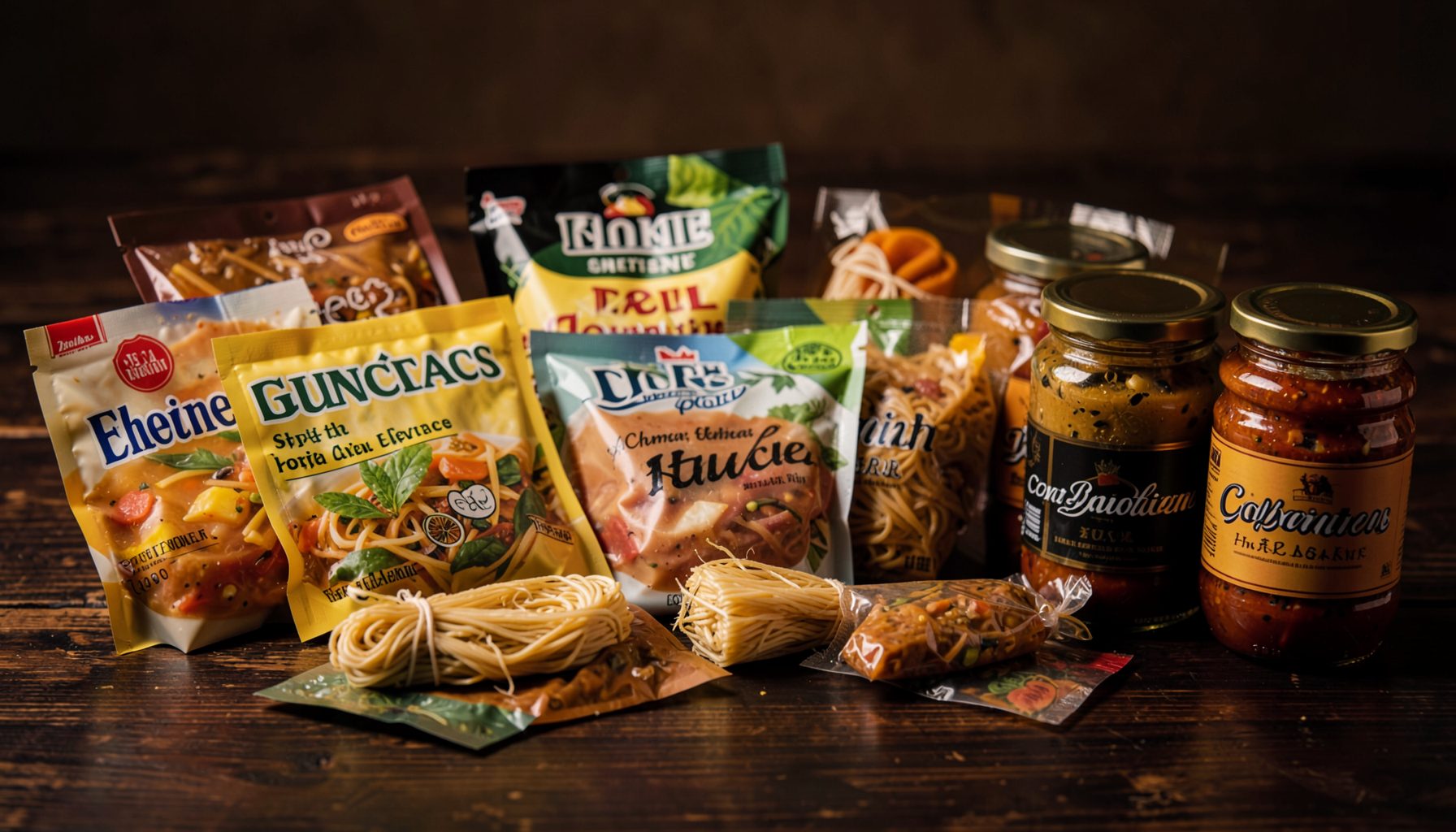
Hot Pot Essentials Bundle
NT$ —
About 蛤?! Huh Pot
蛤?! Huh Pot is a Cantonese-style hot pot brand known for its signature clam-based broth —卜卜蜆 — made with rich old-hen stock and generous portions of fresh clams. The brand also encompasses 本事滿足鍋物, a personal hot pot concept, bringing the same depth of flavor to individual servings.
Through MoneyCome Mart, these restaurant-quality soup bases, dry noodles, radish cakes, and signature sauces are available for home delivery across Taiwan. Restaurant locations in Taipei's Da'an District, Civic Boulevard, and Taichung's Gongyi Road also welcome guests for dine-in, with online reservations available.