How to Adjust Noodle Broth Thickness with Cornstarch
A well-balanced noodle broth should cling lightly to the noodles without becoming heavy or pasty. Cornstarch slurry is one of the easiest ways to control that texture at home, especially when preparing Cantonese hot pot ingredients, clam broth, or a quick bowl made with frozen soup base.
The process is simple: mix cornstarch with cold liquid, add it gradually to a simmering broth, and stop when the soup reaches the consistency you want. Small adjustments make a noticeable difference, so there is no need to thicken the entire pot aggressively at once.
MoneyCome Mart makes this approach convenient with restaurant-style soup bases, noodles, sauces, and prepared hot pot ingredients delivered across Taiwan. With the right technique, a chilled or frozen broth can become a silky, satisfying noodle soup in minutes.
Why broth thickness changes the bowl
Thin broth is refreshing and lets delicate flavors come forward, while a thicker soup coats noodles and carries seasoning more evenly. This can be useful with wheat noodles, rice noodles, or other ingredients that absorb liquid quickly during cooking.
Cornstarch does not add flavor. Instead, its starch granules swell when heated in liquid, creating a smoother and fuller mouthfeel. The result is different from reducing broth: reduction concentrates salt and other seasonings, while a slurry changes body with only a small effect on flavor.
Build a smooth cornstarch slurry
Use one part cornstarch to roughly two parts cold water, stock, or broth. For a small serving, start with one teaspoon of cornstarch and two teaspoons of cold liquid. Stir until the mixture looks completely smooth, with no dry powder resting at the bottom.
Cold liquid matters because cornstarch begins to hydrate quickly in heat. Adding dry starch directly to hot soup often creates small lumps that are difficult to dissolve. Stir the slurry again immediately before using it, since the starch settles rapidly.
Match the slurry to your broth volume
The ideal amount depends on the quantity of soup and the texture you prefer. Start conservatively; you can always add another small portion, but an over-thickened broth is harder to correct without diluting its flavor.
| Broth amount | Starting cornstarch | Cold liquid | Expected texture |
|---|---|---|---|
| 250 ml | 1 teaspoon | 2 teaspoons | Lightly silky |
| 500 ml | 2 teaspoons | 4 teaspoons | Clearly fuller |
| 750 ml | 1 tablespoon | 2 tablespoons | Thick and coating |
| 1 liter | 1½ tablespoons | 3 tablespoons | Rich, sauce-like body |
These measurements are starting points rather than fixed rules. Noodles, vegetables, tofu, and seafood can all release water into the pot, so check the broth after the main ingredients have cooked. If the soup still seems too thin, prepare a fresh half-portion of slurry and add it gradually.
Add the slurry at the right moment
Bring the broth to a gentle simmer before adding the slurry. Stir the soup continuously with chopsticks, a spoon, or a ladle while pouring in the mixture in a thin stream. This distributes the starch instead of allowing it to settle in one area.
Keep the broth simmering for about 30 to 60 seconds after each addition. The thickening effect develops as the starch heats, so adding more immediately can lead to an overly dense soup. Remove the pot from high heat once the broth lightly coats the back of a spoon.
Avoid a vigorous boil after thickening. Strong bubbling can weaken the finished texture and may make the broth appear uneven. If the soup becomes too thick, stir in a small amount of hot water or unsalted stock until it loosens.
Choose a texture that suits the ingredients
A lightly thickened broth works well with delicate noodles, leafy greens, mushrooms, and tofu. It allows the natural aroma of the soup base to remain clear while giving the liquid enough body to cling to each bite. For ideas on balancing earthy ingredients with seafood flavor, explore these clam broth pairings.
A fuller texture is better for thicker noodles, sliced meat, turnip cakes, and ingredients served with dipping sauces. The broth can function almost like a light sauce, helping seasonings stay on the noodles rather than pooling at the bottom of the bowl.
Small adjustments for reliable results
- Start with half the suggested slurry and evaluate the broth before adding more.
- Use unsalted cold water when the soup base is already strongly seasoned.
- Stir the slurry again just before pouring because the starch settles quickly.
- Add cooked noodles after thickening when possible to prevent them from absorbing too much liquid.
- Thin an overly dense broth with hot water, stock, or a small amount of unsalted soup.
Keep the broth fresh from delivery to serving
Cold-chain handling helps preserve the quality of frozen soup bases and prepared hot pot ingredients before they reach your kitchen. Once the package arrives, transfer frozen items to the freezer promptly and refrigerate anything intended for near-term use. Check the store’s delivery details for shipping guidance across Taiwan.
When reheating a frozen broth, warm it gently and stir as it loosens. Taste before adding starch, since evaporation during reheating may already have intensified the seasoning. Add noodles and fresh ingredients only after the soup has reached a steady simmer.
Cornstarch-thickened broth is best served soon after preparation. If it sits for a while, the texture may become firmer, especially as noodles continue absorbing liquid. A brief stir and a splash of hot stock can restore a smoother consistency.
Bring home a MoneyCome Mart soup base, noodles, and hot pot favorites, then adjust the broth to match every ingredient in your bowl. A carefully prepared slurry turns a simple delivery into a warm, customized meal with the texture and richness you prefer.
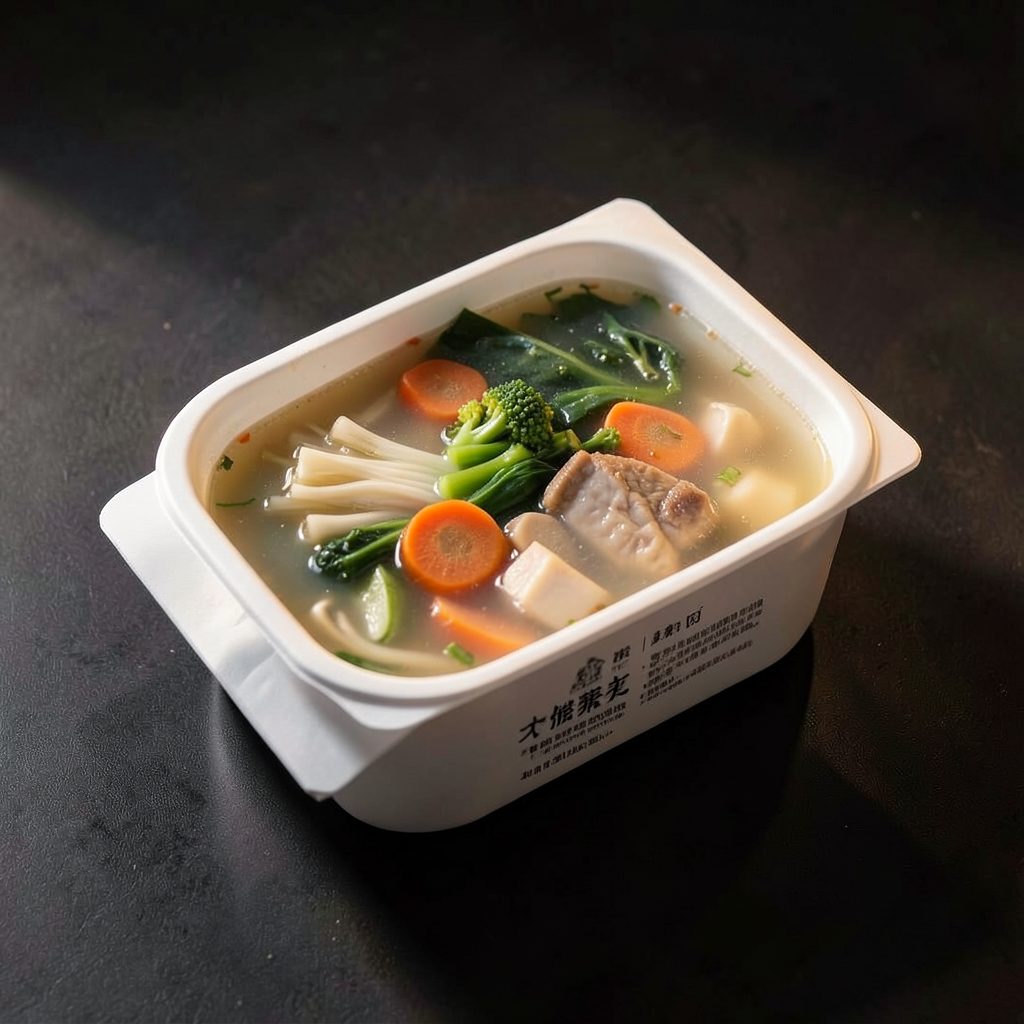
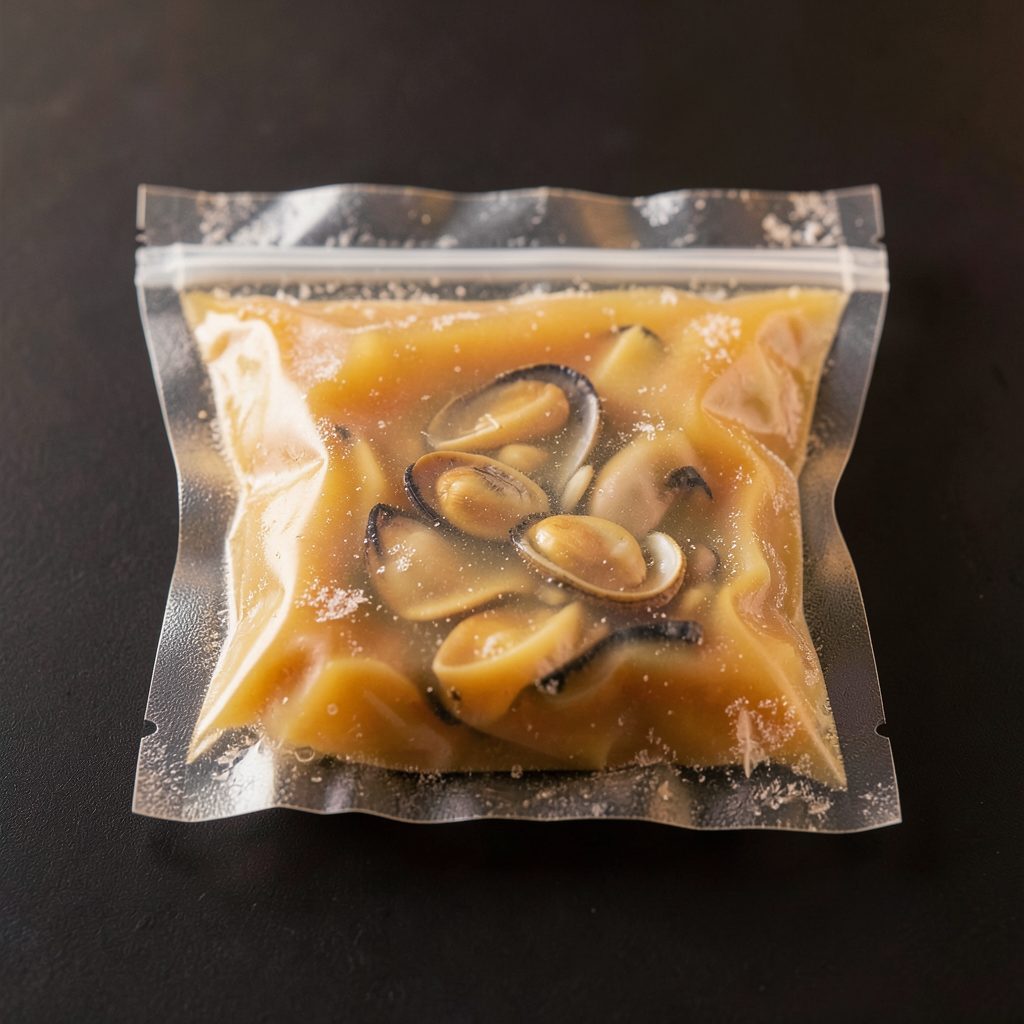
Best Sellers
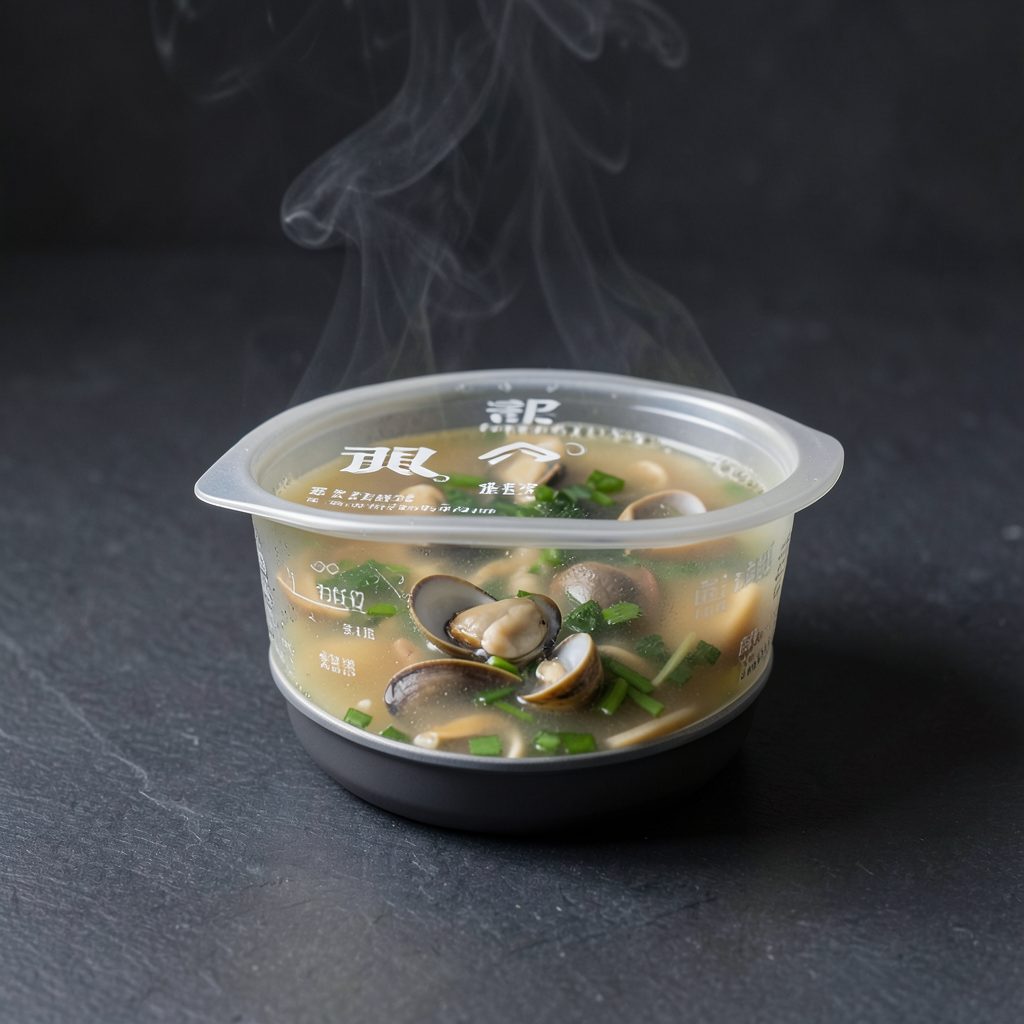
蛤?! Clam Soup Base —卜卜蜆
NT$ —
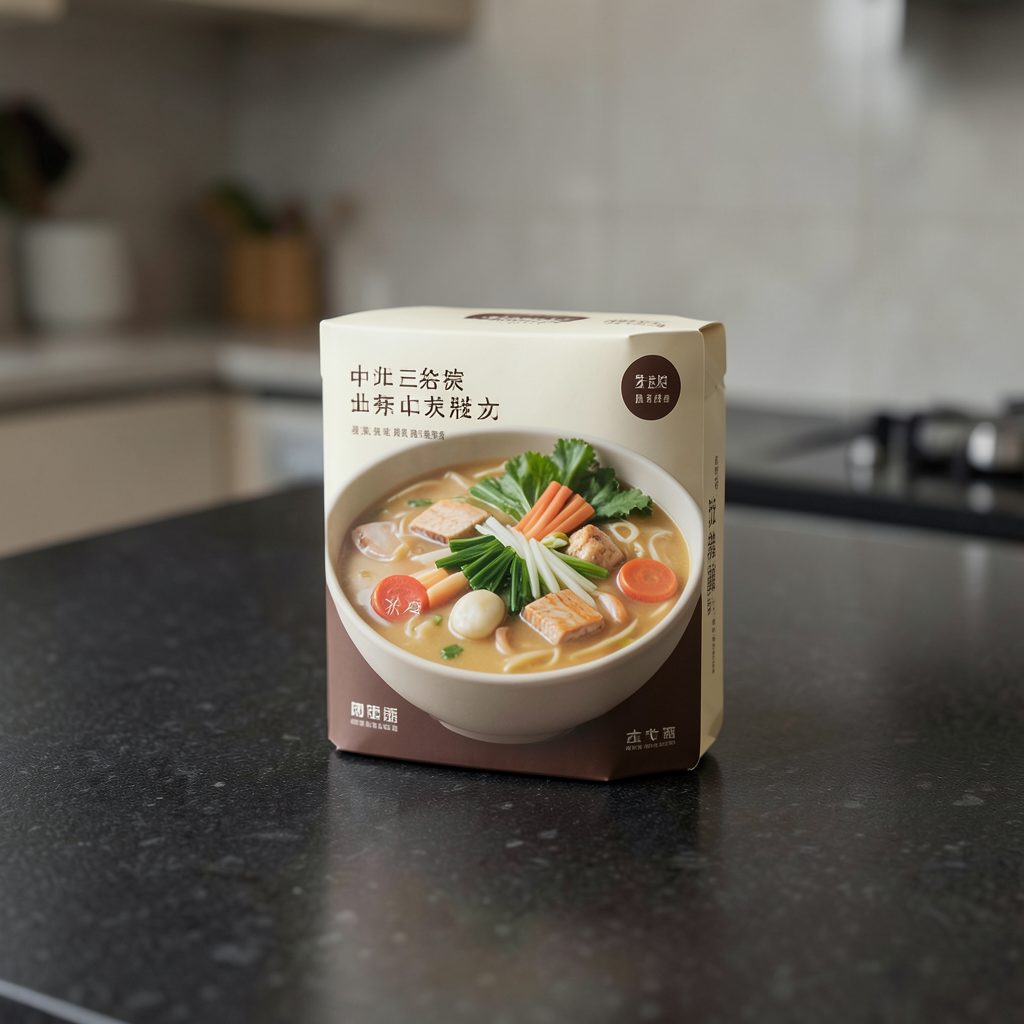
本事滿足鍋物 Personal Pot Base
NT$ —
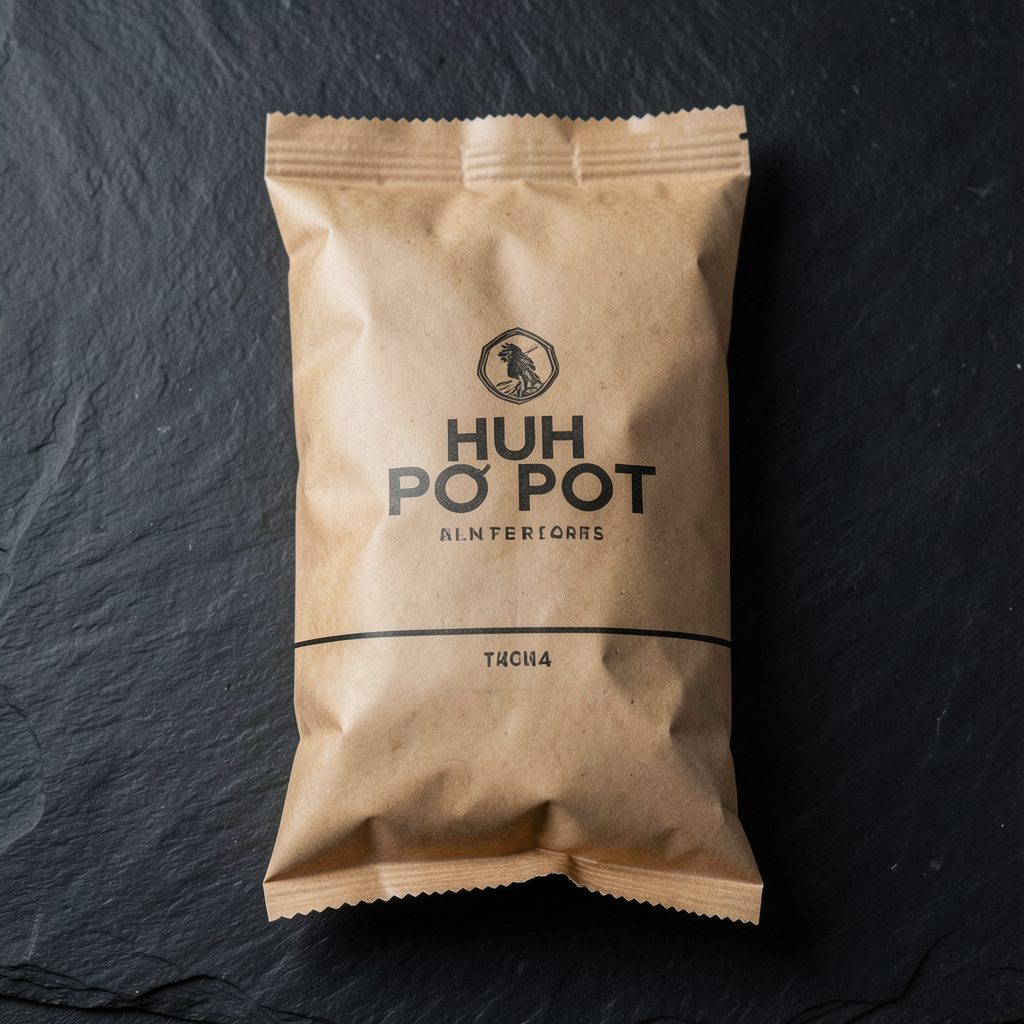
蛤?! Dry Noodles
NT$ —
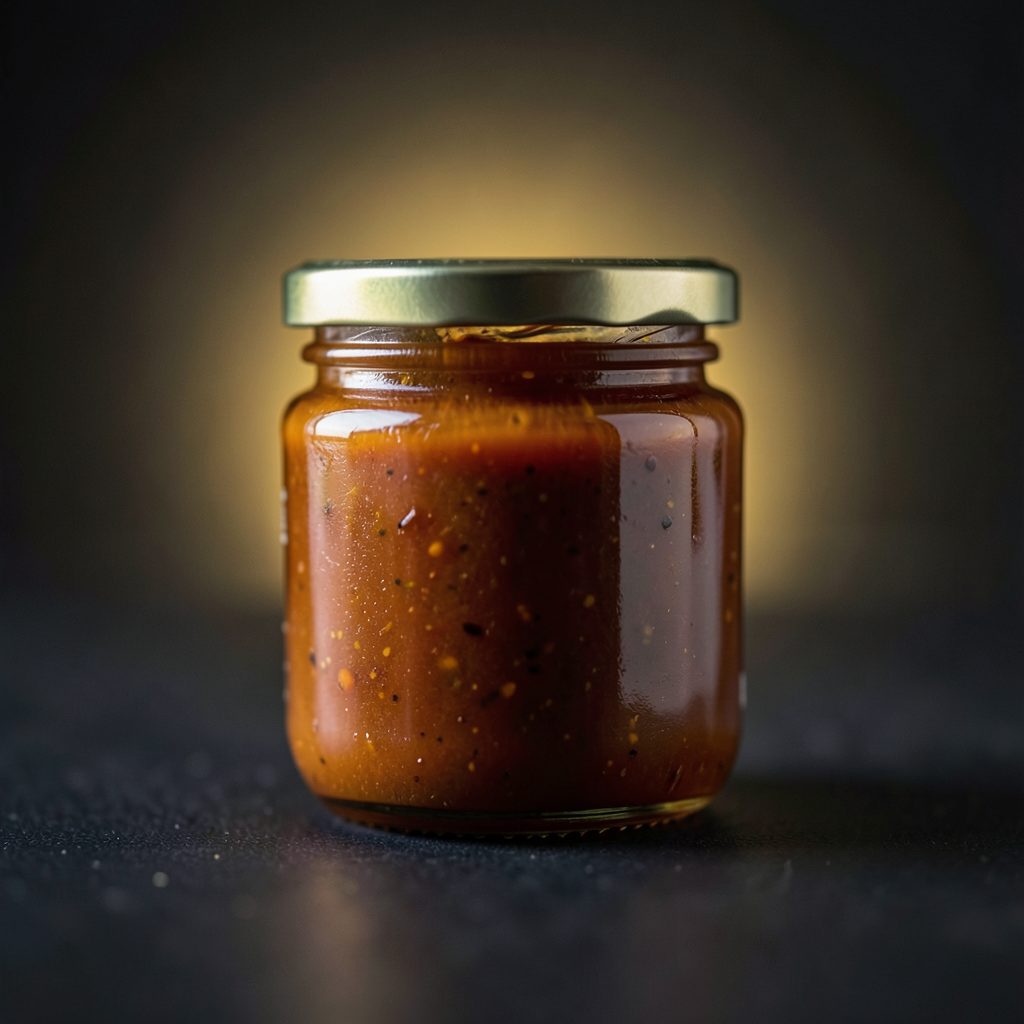
Signature Sauce
NT$ —
New Arrivals
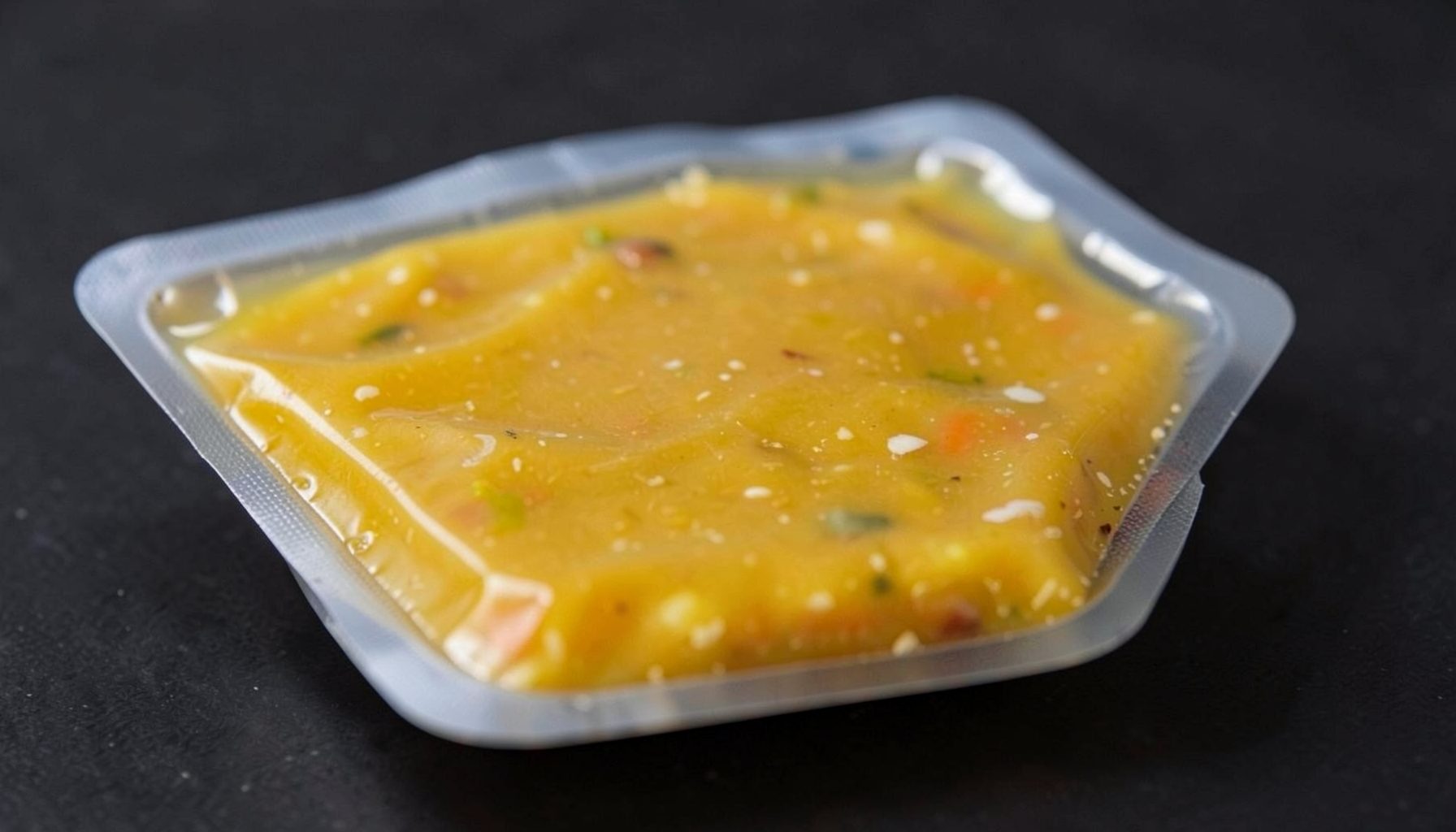
蛤?! Golden Clam Broth — New Batch
NT$ —
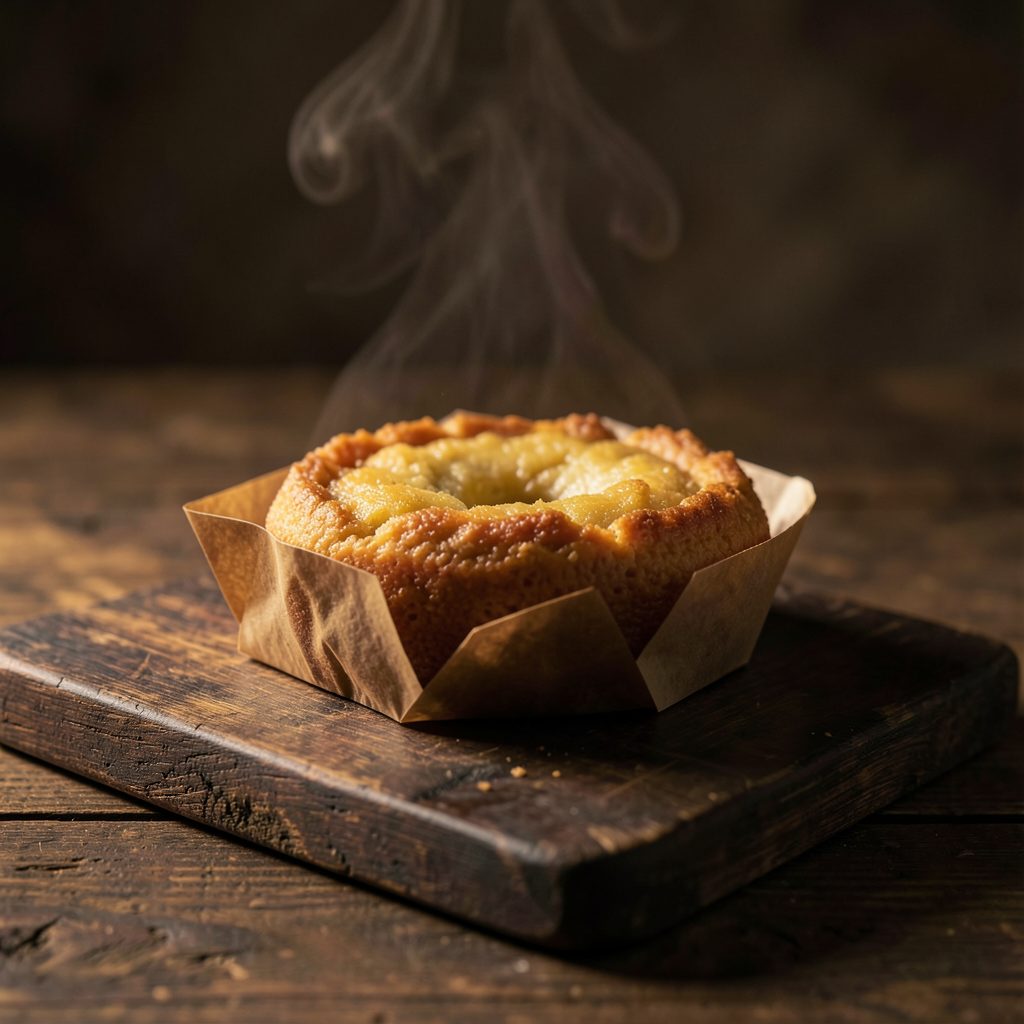
Radish Cake —蘿蔔糕精神
NT$ —
Duo Soup Base Set
NT$ —
Hot Pot Essentials Bundle
NT$ —
About 蛤?! Huh Pot
蛤?! Huh Pot is a Cantonese-style hot pot brand known for its signature clam-based broth —卜卜蜆 — made with rich old-hen stock and generous portions of fresh clams. The brand also encompasses 本事滿足鍋物, a personal hot pot concept, bringing the same depth of flavor to individual servings.
Through MoneyCome Mart, these restaurant-quality soup bases, dry noodles, radish cakes, and signature sauces are available for home delivery across Taiwan. Restaurant locations in Taipei's Da'an District, Civic Boulevard, and Taichung's Gongyi Road also welcome guests for dine-in, with online reservations available.