Dried Mushrooms for a Richer Cantonese Hot Pot Soup
Dried mushrooms are an easy way to give a Cantonese hot pot broth a deeper, rounder savoury flavour. As they rehydrate, they release natural glutamates and aromatic compounds that make a simple soup base taste fuller without relying on excessive salt, stock powder or heavy sauces.
This technique works well for home cooks in Australia, whether you are preparing a winter dinner in Melbourne, a Lunar New Year gathering in Sydney or a casual electric hot pot in a Brisbane apartment. With a few pantry ingredients and careful soaking, a frozen soup base can become more layered while still keeping preparation quick.
Choose Mushrooms With Character
Dried shiitake mushrooms are the most practical starting point. They have a strong umami taste, a slightly smoky fragrance and a firm texture that remains pleasant after simmering. Select caps that are dry, clean and richly scented. Very pale mushrooms with little aroma may produce a weaker broth.
For a more complex mushroom stock, combine shiitake with a small amount of dried porcini, maitake or oyster mushrooms. Porcini can add an earthy note, while maitake contributes a delicate savoury fragrance. Wood ear mushrooms are useful for texture, although they add less umami than shiitake.
Soak Them Slowly
Place the dried mushrooms in a bowl and cover them with cool or room-temperature water. Leave them for at least 30 minutes, although several hours in the refrigerator will extract more flavour. The slower method gives the mushroom liquid a cleaner taste and helps the caps soften evenly.
After soaking, lift the mushrooms from the bowl instead of pouring everything through at once. Fine grit can settle at the bottom, especially with mushrooms bought from a bulk food shop or an Asian grocer in Melbourne or Sydney. Slice off tough stems and cut the caps into strips or quarters for easy eating at the table.
Turn the Soaking Liquid Into Stock
The soaking water contains much of the mushroom’s savoury character, so it should not be discarded. Pour it through a fine sieve lined with muslin, a coffee filter or a clean paper towel. This removes sediment while retaining the fragrant liquid.
Add the strained mushroom water gradually to your soup base. A good starting point is 250 to 400 millilitres for a standard home hot pot, then adjust according to the strength of the original broth. Simmer the liquid with the softened mushrooms for 10 to 15 minutes before adding delicate ingredients.
Match Mushrooms With the Base
Mushrooms pair especially well with clam broth, chicken-style stock and mild vegetable soup. Their earthy notes give a light seafood base more depth without masking the briny sweetness of clams. If your soup is already strongly seasoned, use less mushroom liquid and add the mushrooms mainly for aroma and texture.
For a convenient starting point, explore the Huh Pot soup bases and choose a flavour that leaves room for extra ingredients. A spicy base can handle shiitake and porcini, while a clear or creamy broth is better suited to a restrained amount of mushroom stock.
Balance the Savoury Notes
Dried mushrooms intensify umami, yet too much can make the broth taste muddy or overly dark. Balance the flavour with fresh ginger, spring onion, white pepper or a small splash of rice wine. A few slices of daikon can also soften the earthiness and add gentle sweetness.
Avoid adding soy sauce at the beginning unless the soup base needs it. Hot pot ingredients release salt and flavour as they cook, particularly fish balls, dumplings, processed tofu products and dipping sauces. Taste the broth halfway through the meal and adjust only when necessary.
Add Ingredients In Stages
Put the rehydrated mushroom pieces into the pot before ingredients that cook quickly. They can simmer with tofu, cabbage, corn or daikon while the broth develops. Noodles, leafy greens and thinly sliced meat should go in later so they retain their texture and do not cloud the soup too early.
This approach suits Australian home kitchens, where a portable induction cooker or electric hot pot is often used at the dining table. It also makes timing easier for groups: firm vegetables and mushrooms can cook first, followed by dumplings, seafood and greens as guests serve themselves.
Serve With Cantonese Favourites
The richer broth is especially good with turnip cakes, tofu, fish balls and wheat noodles. Turnip cake absorbs the mushroom-infused soup while keeping its savoury rice-flour texture. For background on why this Cantonese favourite appears at festive meals, see this guide to turnip cakes and hot pot.
Keep the dipping sauce lighter when the soup has been enriched with dried mushrooms. A mixture of sesame paste, soy, chilli and spring onion can overwhelm a delicate broth, while a simple soy, vinegar and ginger sauce lets the mushroom aroma remain noticeable. Refrigerate leftovers promptly, reheat them until steaming and use them within a safe period.
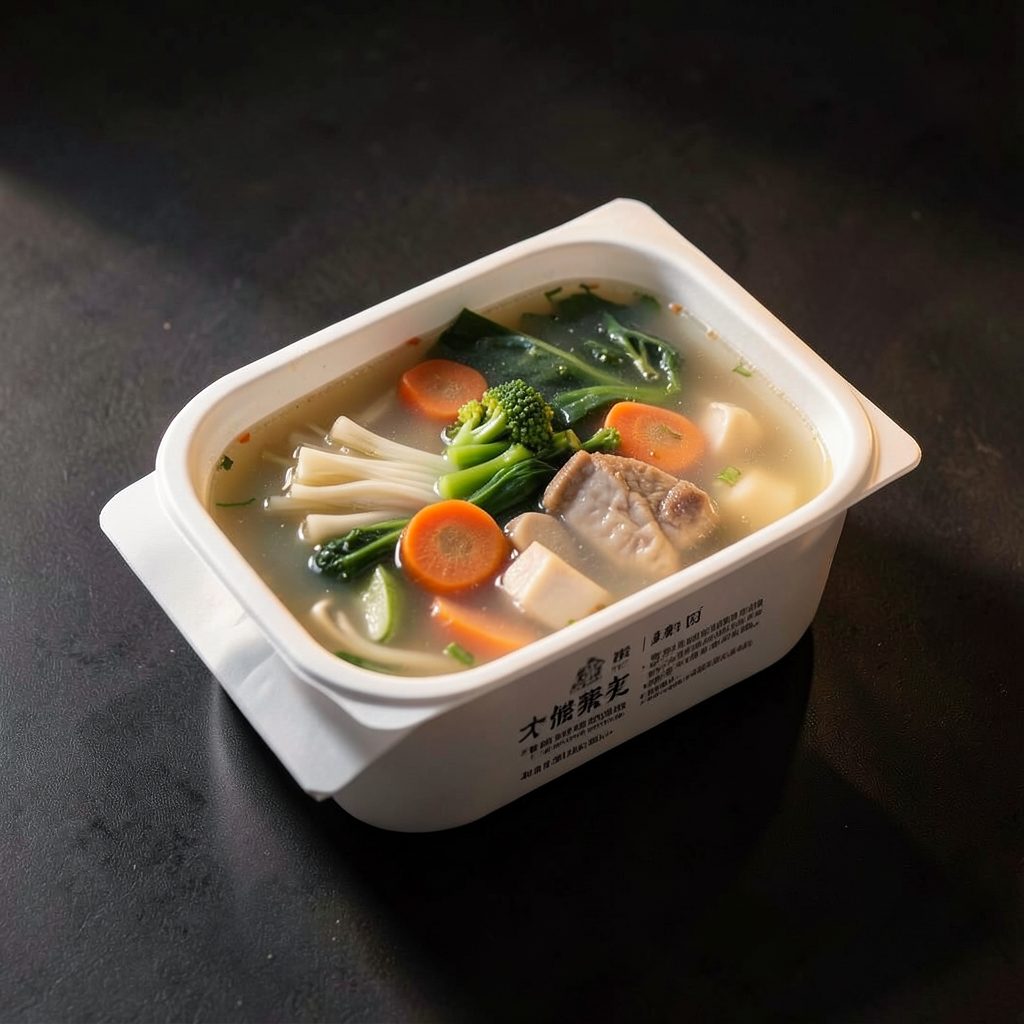
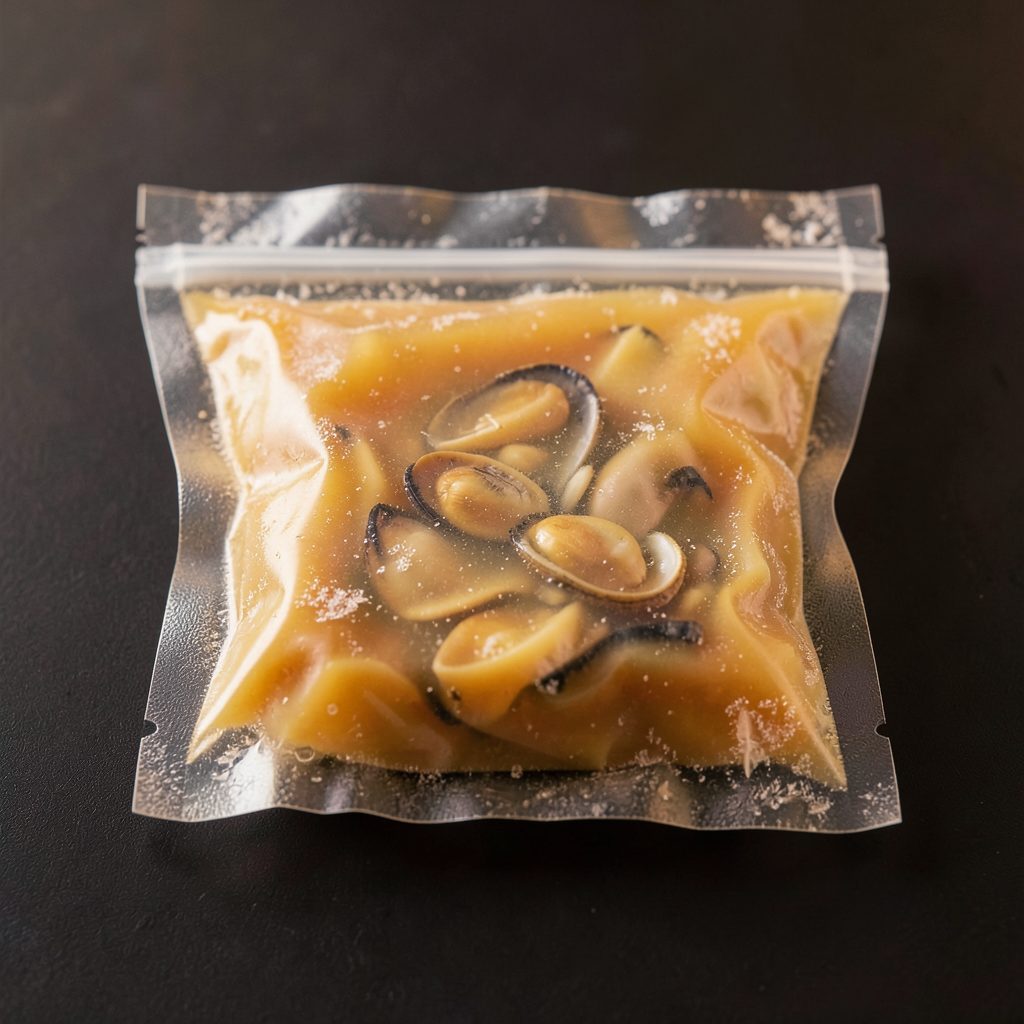
Best Sellers
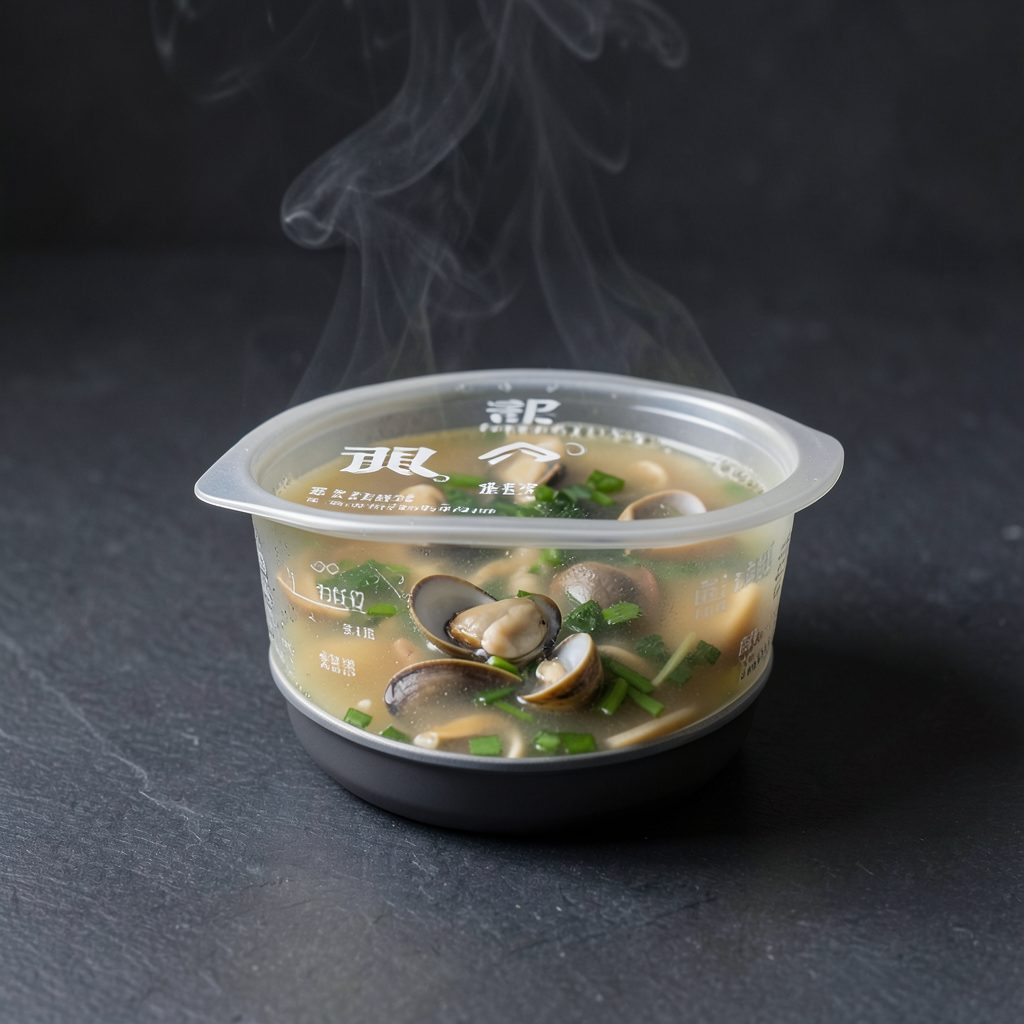
蛤?! Clam Soup Base —卜卜蜆
NT$ —
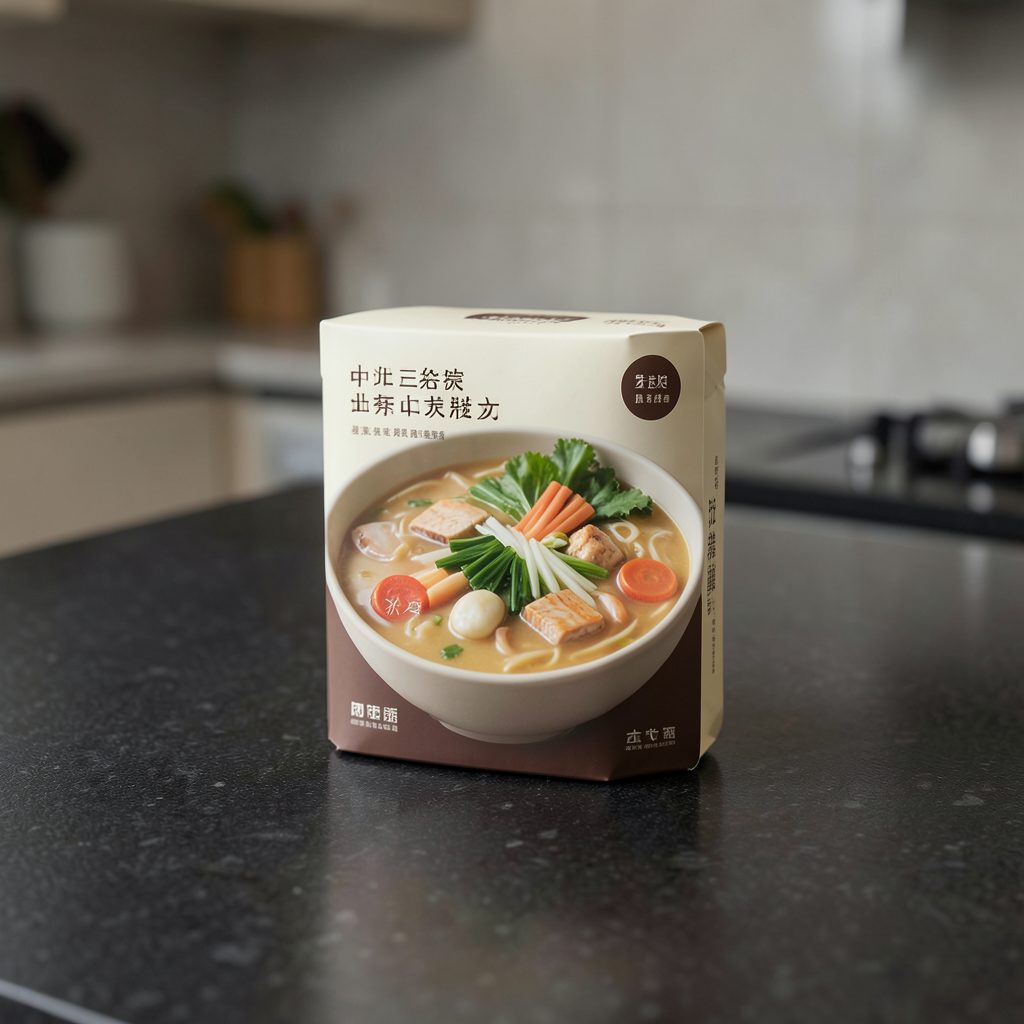
本事滿足鍋物 Personal Pot Base
NT$ —
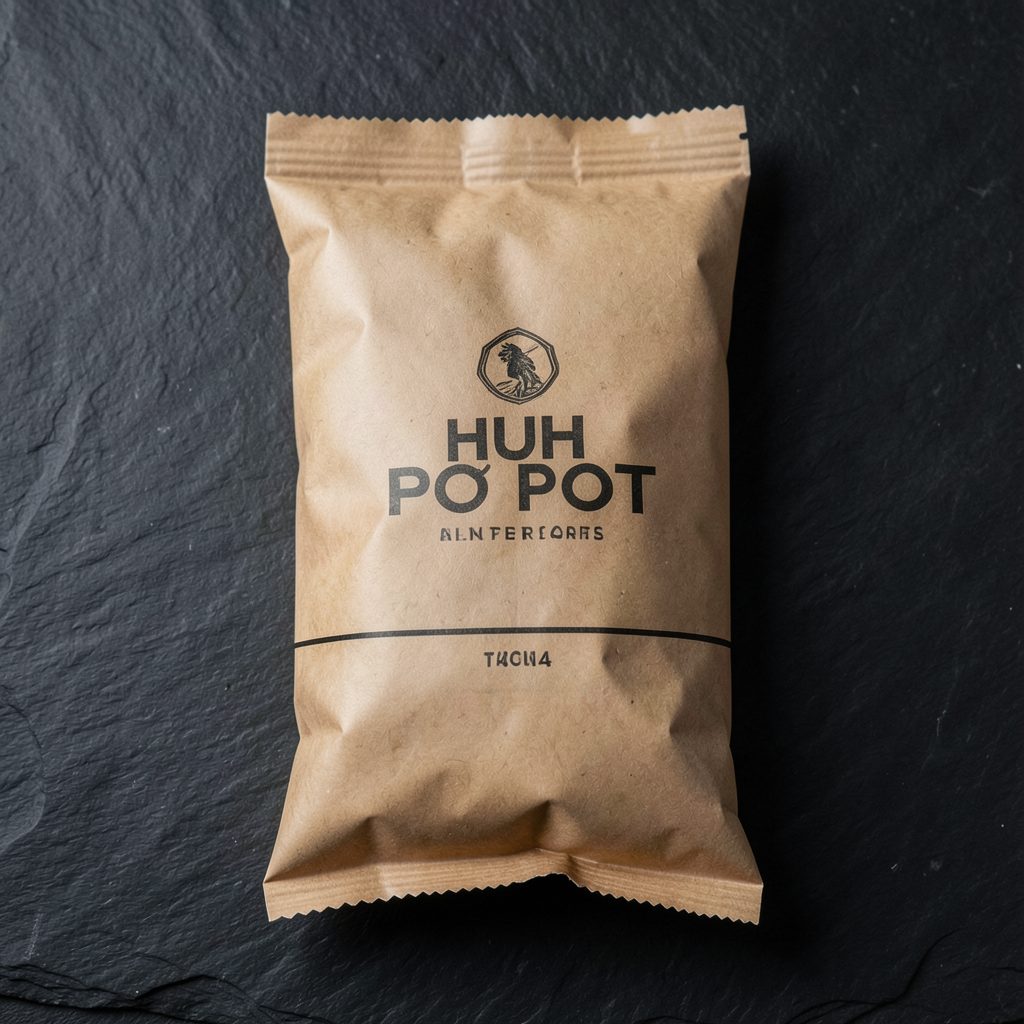
蛤?! Dry Noodles
NT$ —
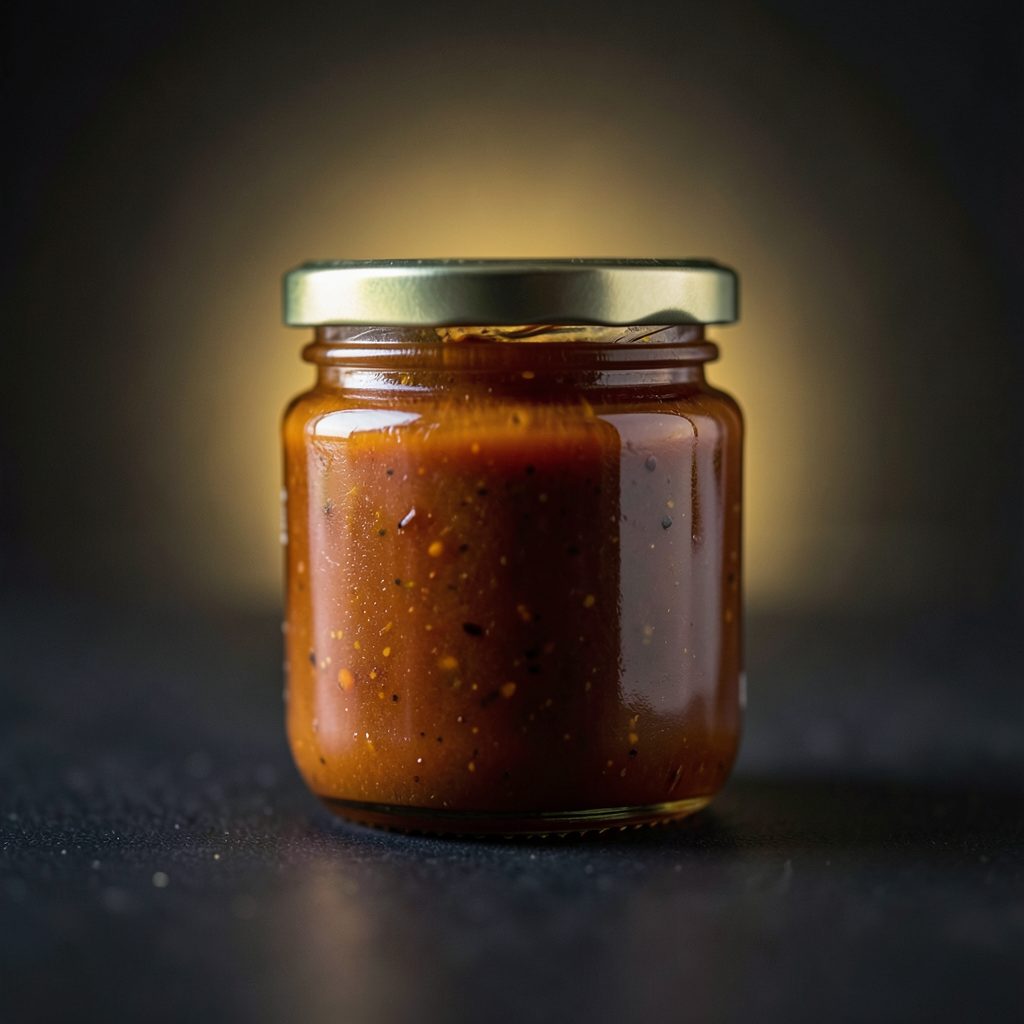
Signature Sauce
NT$ —
New Arrivals
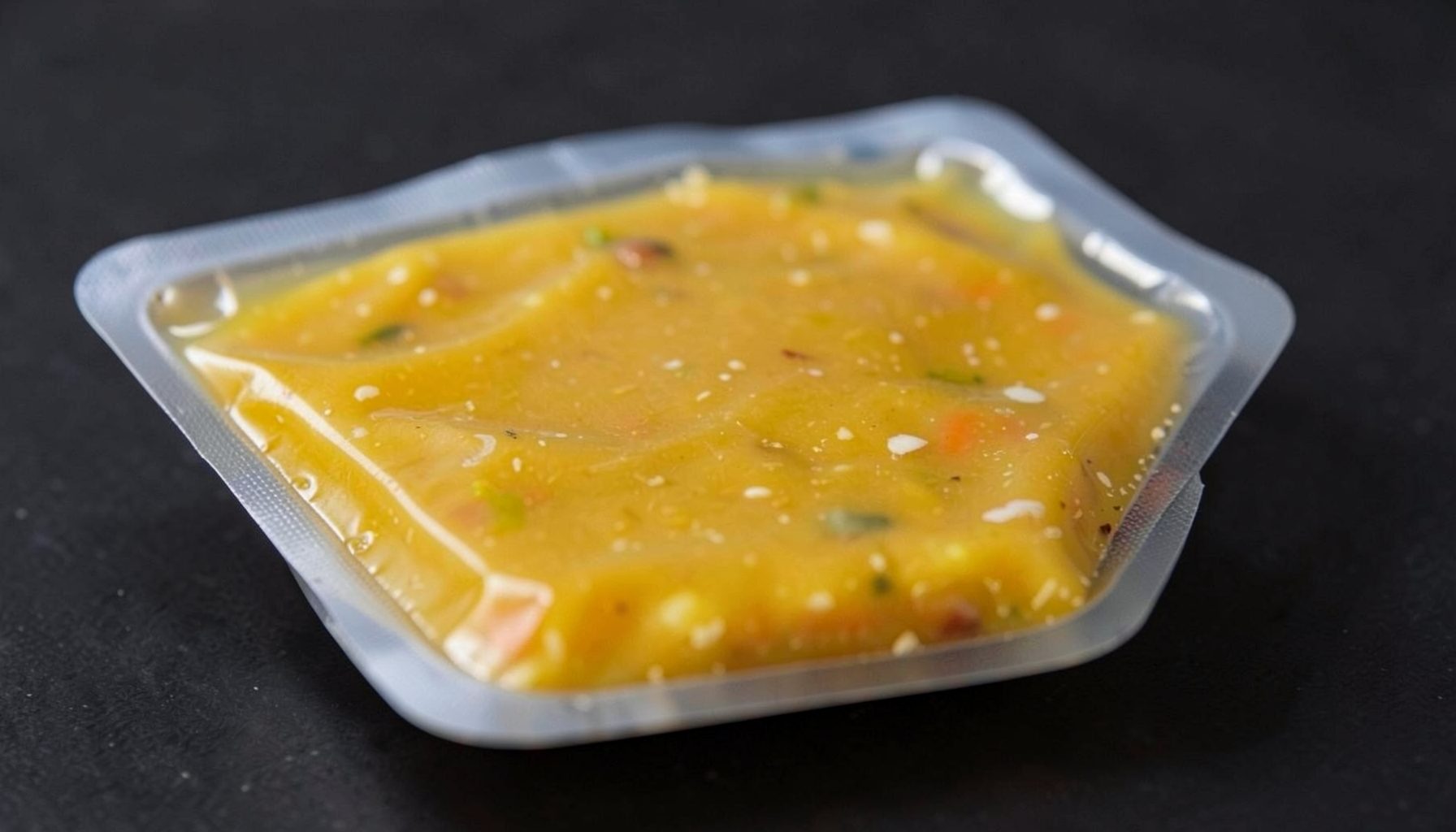
蛤?! Golden Clam Broth — New Batch
NT$ —

Radish Cake —蘿蔔糕精神
NT$ —
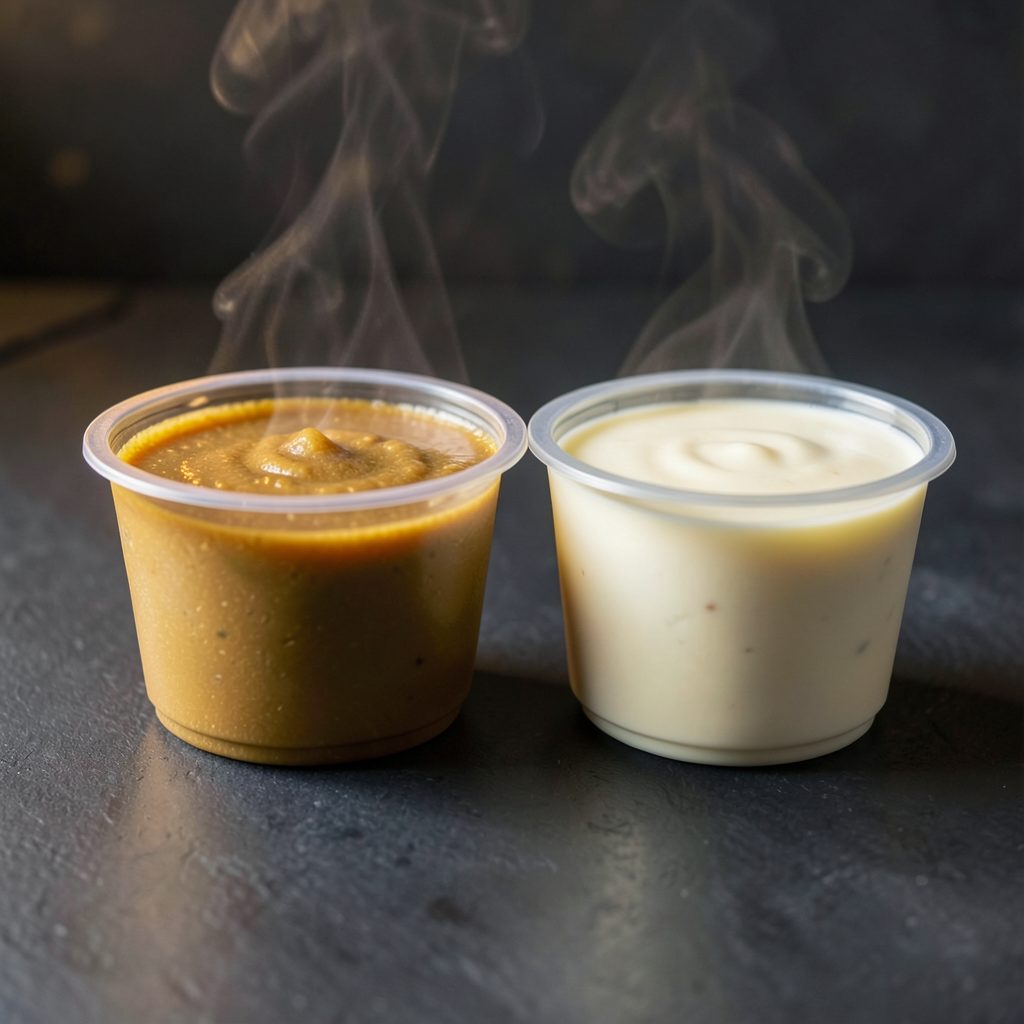
Duo Soup Base Set
NT$ —

Hot Pot Essentials Bundle
NT$ —
About 蛤?! Huh Pot
蛤?! Huh Pot is a Cantonese-style hot pot brand known for its signature clam-based broth —卜卜蜆 — made with rich old-hen stock and generous portions of fresh clams. The brand also encompasses 本事滿足鍋物, a personal hot pot concept, bringing the same depth of flavor to individual servings.
Through MoneyCome Mart, these restaurant-quality soup bases, dry noodles, radish cakes, and signature sauces are available for home delivery across Taiwan. Restaurant locations in Taipei's Da'an District, Civic Boulevard, and Taichung's Gongyi Road also welcome guests for dine-in, with online reservations available.