A cosy weeknight hot pot with leftover vegetables
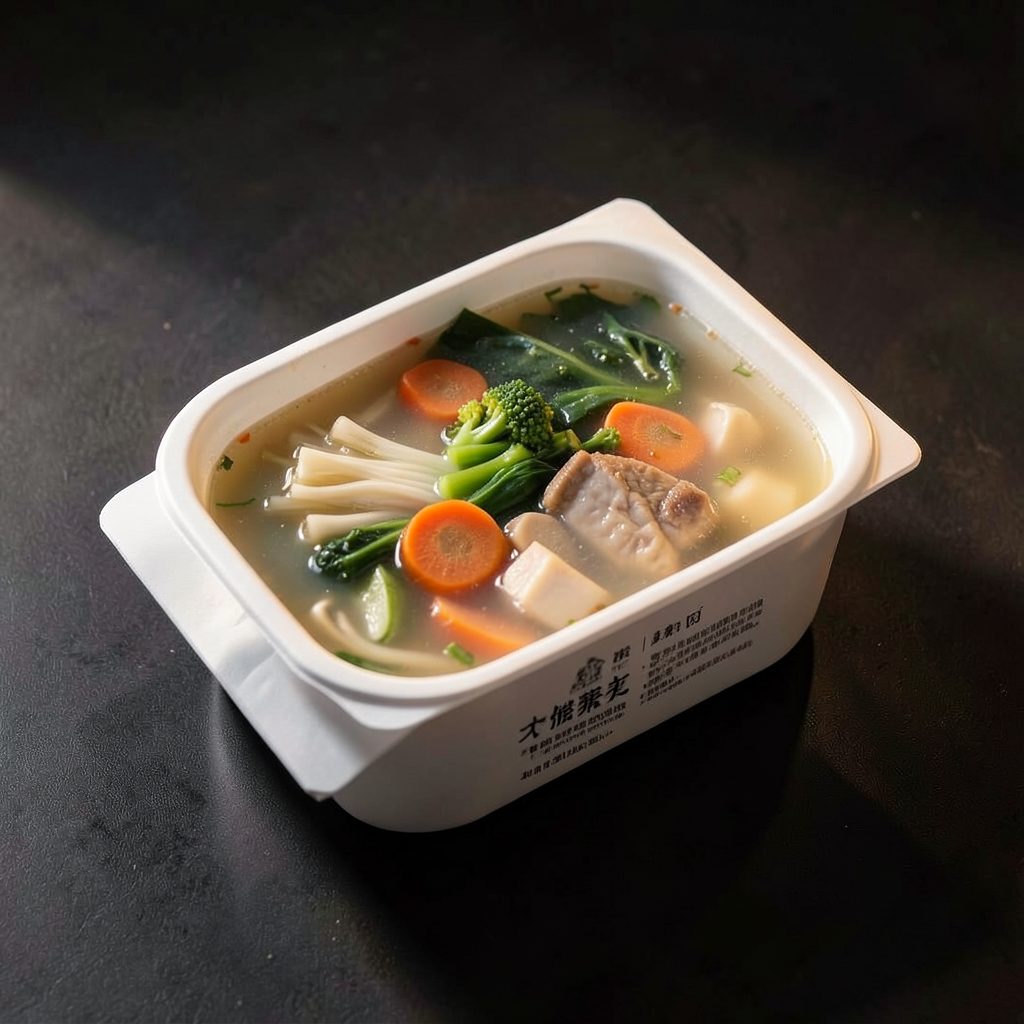
A hot pot dinner does not need a crowded table or a long shopping list. With one Cantonese-style soup base, a few vegetables waiting in the fridge and a handful of noodles, you can make a warm, satisfying meal in roughly half an hour.
This approach suits the rhythm of an Australian weeknight. After work in Sydney, a cold evening in Melbourne or a busy school night in Brisbane, one pot keeps preparation simple and washing-up manageable. The broth does most of the flavour-building while you use ingredients already on hand.
MoneyCome Mart brings restaurant-style hot pot flavours into the home, including frozen soup bases, clam broths, sauces and prepared foods connected with the 蛤?! Huh Pot and 本事滿足鍋物 brands. The cold-chain approach helps protect quality from dispatch to delivery across Taiwan.
For Australian kitchens, the method is easy to adapt. Use metric quantities, supermarket vegetables from Coles or Woolworths, and whatever is left from a weekend roast, stir-fry or farmers’ market haul. The result is flexible, nourishing and far less wasteful than ordering takeaway.
Choose a broth that carries the meal
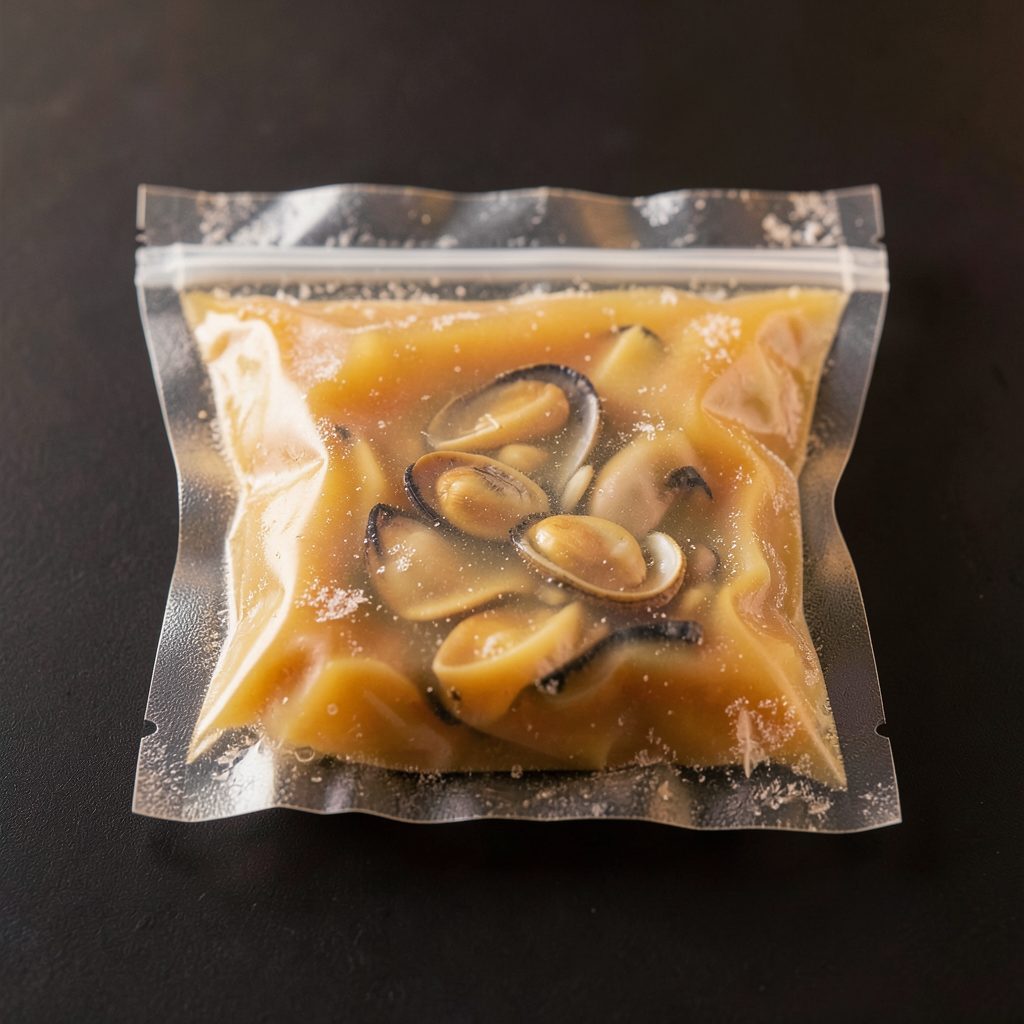
Start with a frozen soup base or clam broth that matches the ingredients you have. A seafood-style base works beautifully with prawns, fish balls, tofu and leafy greens, while a richer Cantonese broth pairs well with mushrooms, beef slices and root vegetables. Thaw the base according to its instructions, then pour it into a wide saucepan or shallow casserole.
Add water only if the broth is especially concentrated. Taste it once it is hot, before adding salty sauces or processed ingredients. The flavour should be savoury enough to cook the vegetables but mild enough to enjoy as a soup at the end.
If you need to check timing, storage or cold-chain handling before ordering, read the store’s delivery information. This is particularly useful when planning around public holidays, warmer Queensland weather or a delivery day when someone needs to be home.
Sort leftover vegetables by cooking time
Separate the vegetables into firm and tender groups. Carrot, pumpkin, potato, corn, broccoli stems and sliced cabbage need several minutes in the bubbling broth. Baby spinach, bok choy leaves, bean sprouts, snow peas and spring onions cook quickly and should go in later.
This simple sorting step prevents the common problem of soft greens and undercooked roots in the same pot. Cut everything into thin, bite-sized pieces so the food cooks evenly and is easy to eat with chopsticks or a spoon.
A half capsicum, a few mushrooms, leftover roast pumpkin or the last zucchini can all find a place here. In Australia, seasonal produce varies considerably between Hobart and Darwin, so let the local greengrocer’s selection guide the combination rather than following a fixed recipe.
Build the pot in layers
Bring the soup base to a gentle simmer and add firm vegetables first. After five to eight minutes, add tofu, dumplings, fish cakes or thin slices of cooked meat. These ingredients absorb the broth and make the meal feel substantial without requiring a separate protein dish.
Drop in noodles near the end. Fresh wheat noodles, rice vermicelli or shelf-stable udon are convenient options, while leftover cooked noodles should be added only long enough to warm through. Stir gently so delicate tofu and leafy vegetables remain intact.
For a small household, cook in batches instead of filling the pan to the rim. This keeps the simmer steady and makes it easier to save extra broth for lunch. An induction cooktop is particularly handy in an apartment kitchen because it gives quick heat and a relatively cool surrounding surface.
Add texture with pantry staples
A few finishing ingredients can make a simple soup base taste more complete. Try a spoonful of soy sauce, black vinegar, sesame oil, sliced chilli or chopped coriander. Keep the additions restrained at first, as the soup base and dipping sauces may already contain plenty of salt.
Turnip cake is another useful addition when you want something crisp and filling. Pan-fry slices separately until golden, then serve them beside the soup or add them just before eating so they keep some texture. Toasted peanuts, fried shallots and sesame seeds also provide contrast without much preparation.
If you grind Sichuan pepper, white pepper or dried chilli at home, choose a tool suited to the way you use it; this grinder guide offers background on matching a grinder to a preferred rolling style. For this dinner, freshly ground seasoning should be added sparingly so it supports rather than masks the broth.
Serve it as a relaxed one-pot dinner
Place the saucepan in the centre of the table on a stable heatproof board, or transfer portions into wide bowls. Offer chopsticks, soup spoons and small dishes of dipping sauce. This casual arrangement works well for a couple, while extra noodles and vegetables can stretch the meal for visiting friends.
In Australia, a hot pot can be especially welcome during Melbourne’s cooler months, but lighter broths and plenty of greens make the format suitable for summer evenings in Perth or Adelaide too. Keep raw meat and seafood chilled until needed, and use separate utensils for uncooked ingredients.
Avoid leaving the pot at room temperature for a long time. Once dinner is finished, cool leftover soup promptly, refrigerate it in a shallow container and reheat it thoroughly the next day. Add fresh noodles when reheating so they do not become overly soft.
Plan the next bowl before shopping
A useful weekly habit is to keep one frozen soup base and two or three long-lasting ingredients ready in the freezer or pantry. Noodles, tofu, mushrooms, frozen dumplings and sliced meat can turn a nearly empty fridge into dinner. Fresh greens can be purchased in a small quantity to avoid waste.
Browse the product range when you want to compare soup bases, sauces, noodles and prepared hot pot foods before building your basket. Bundles and seasonal items can also provide variety without requiring several separate flavourings.
The best version of this weeknight meal changes with what needs using. One night it might feature cabbage, mushrooms and prawns; another might combine roast vegetables, tofu and noodles. The soup base provides consistency while the leftover ingredients keep the dinner practical, economical and pleasantly different each time.
Best Sellers
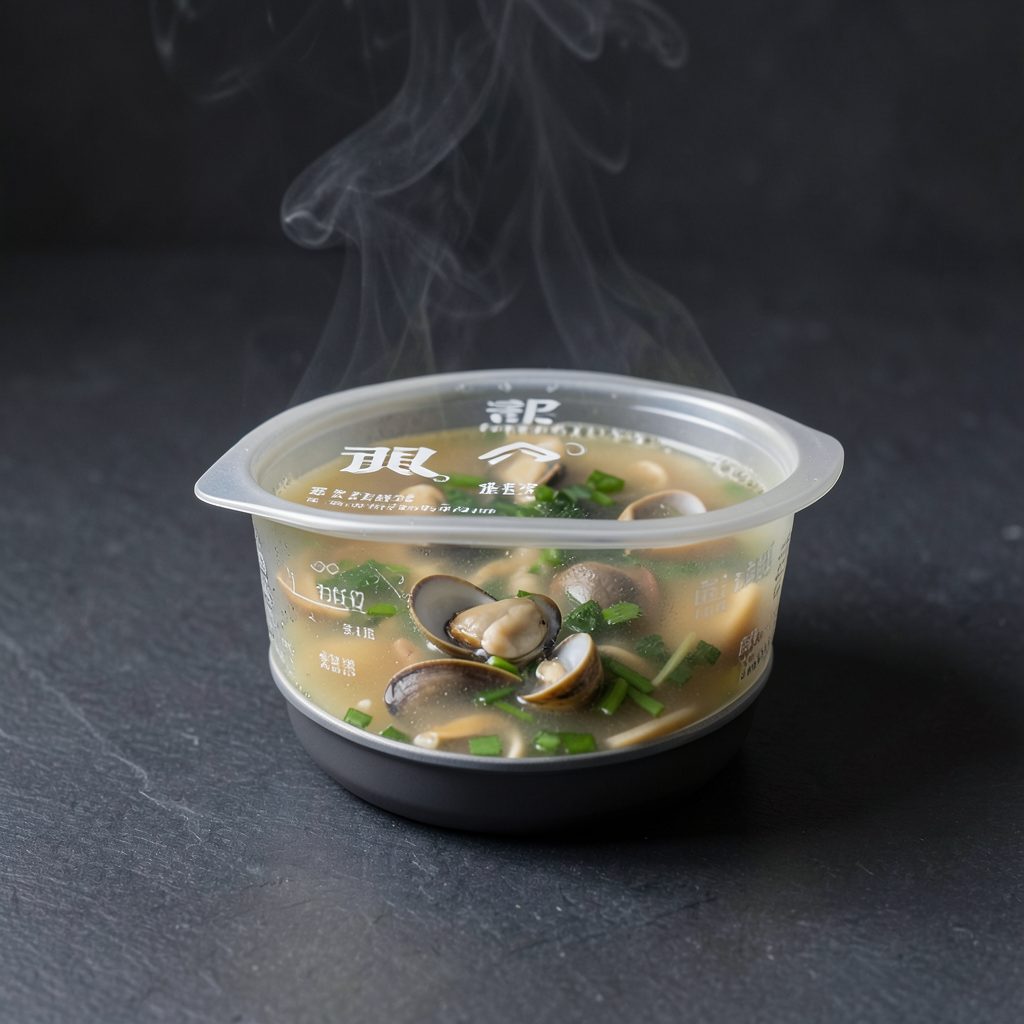
蛤?! Clam Soup Base —卜卜蜆
NT$ —
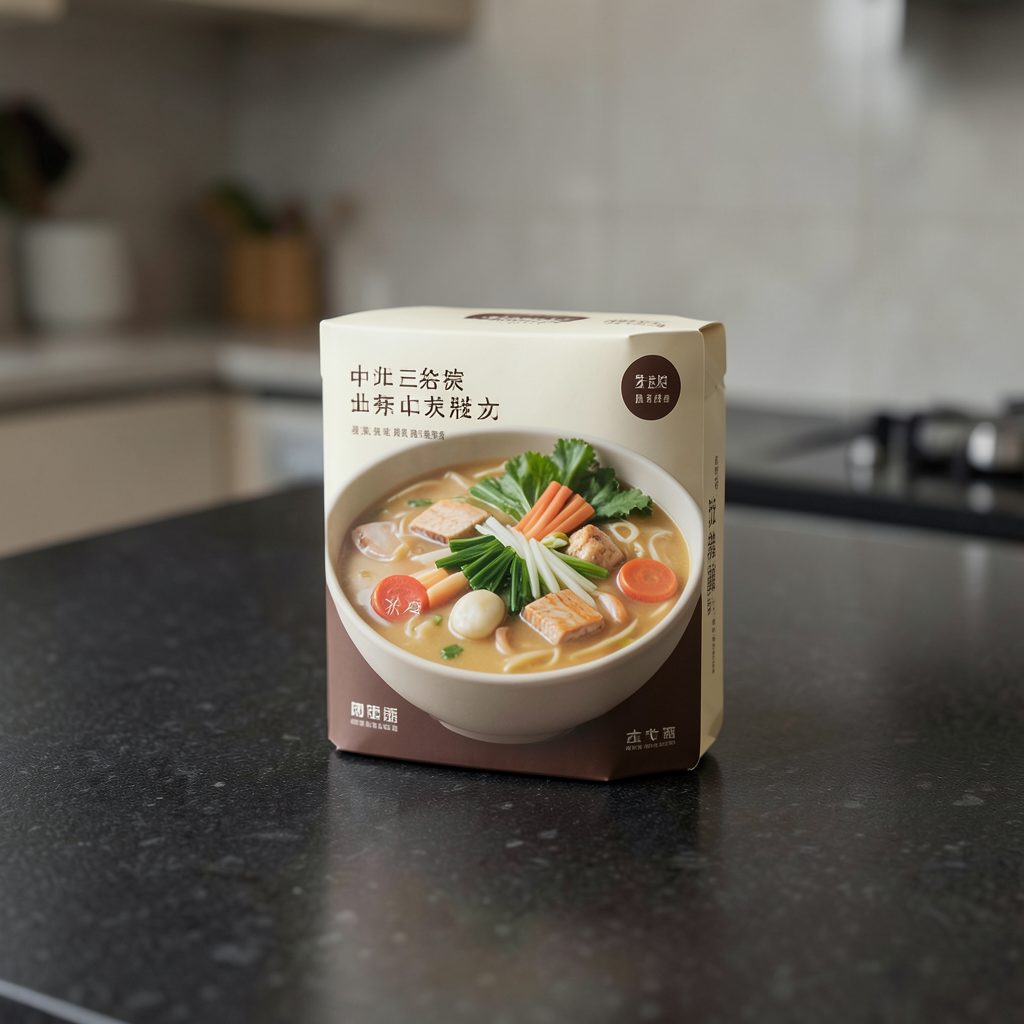
本事滿足鍋物 Personal Pot Base
NT$ —
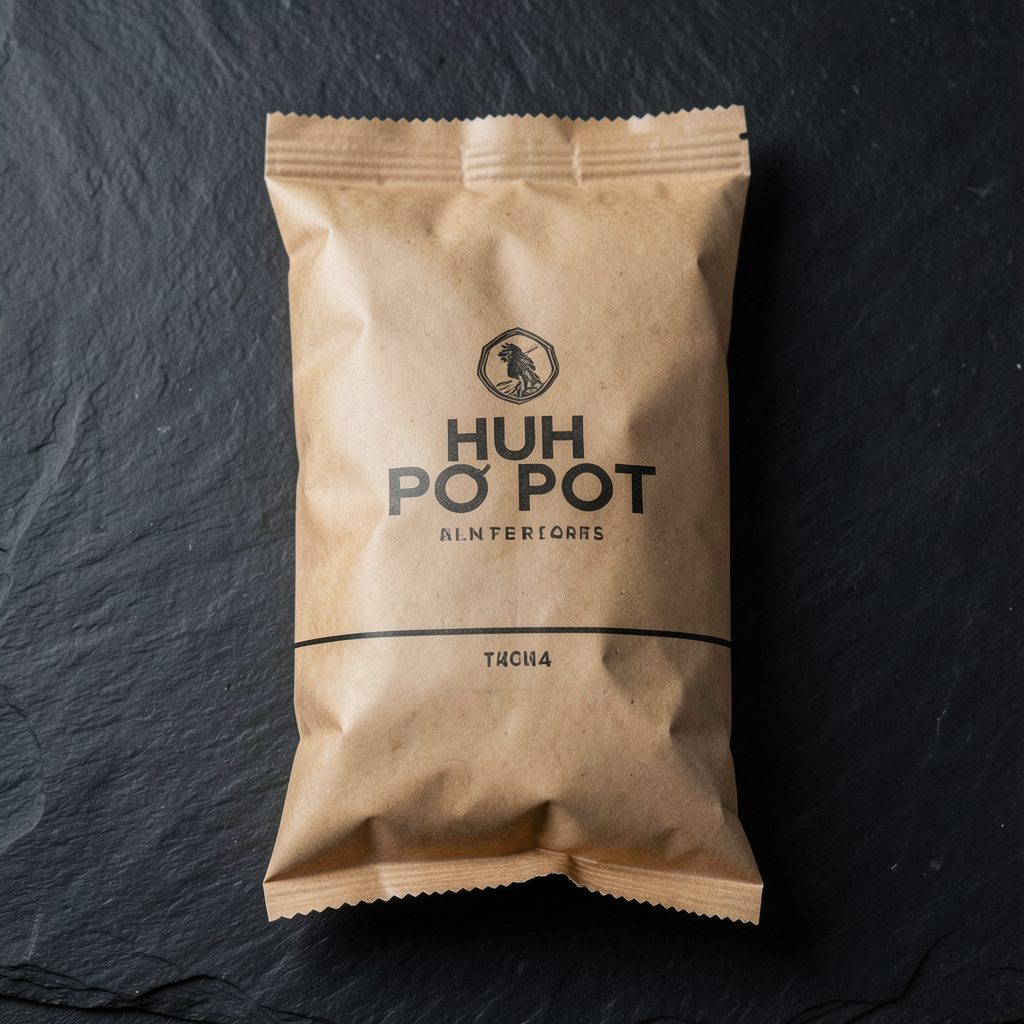
蛤?! Dry Noodles
NT$ —
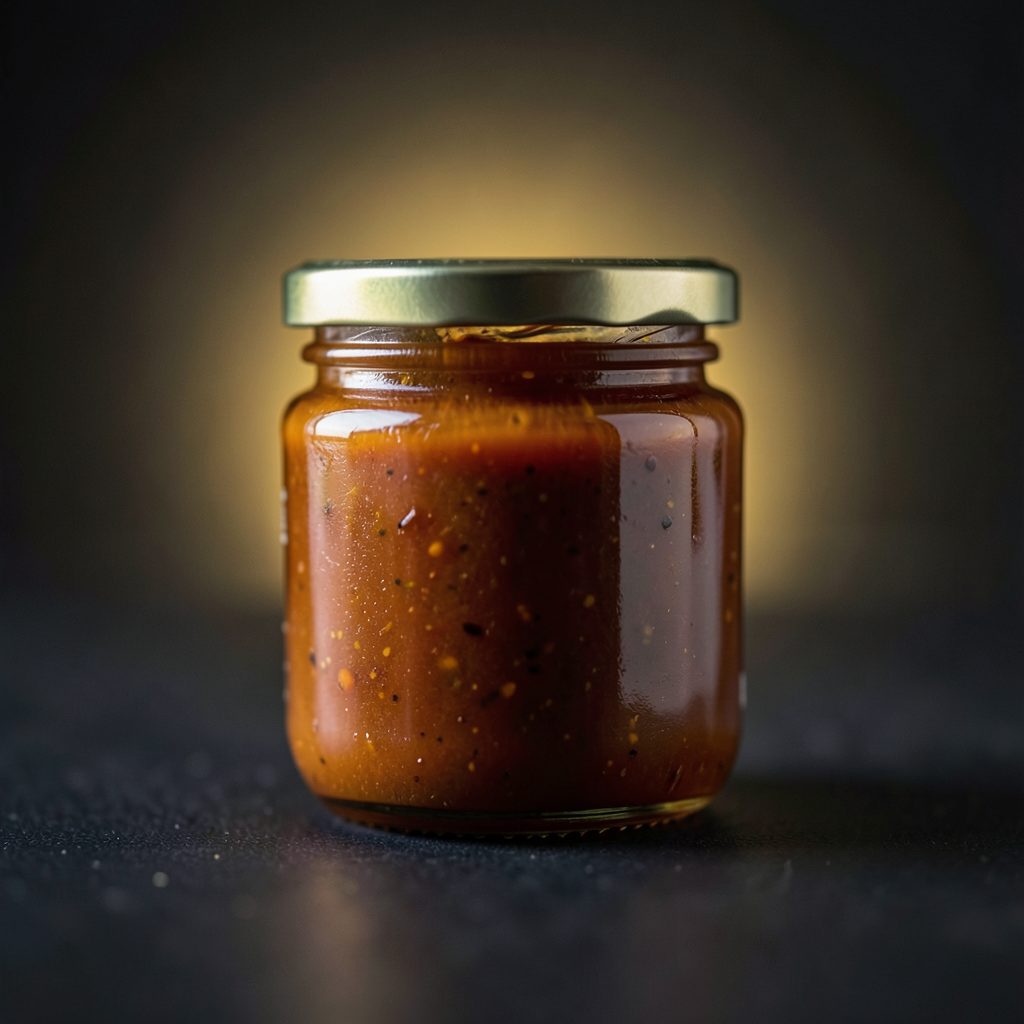
Signature Sauce
NT$ —
New Arrivals
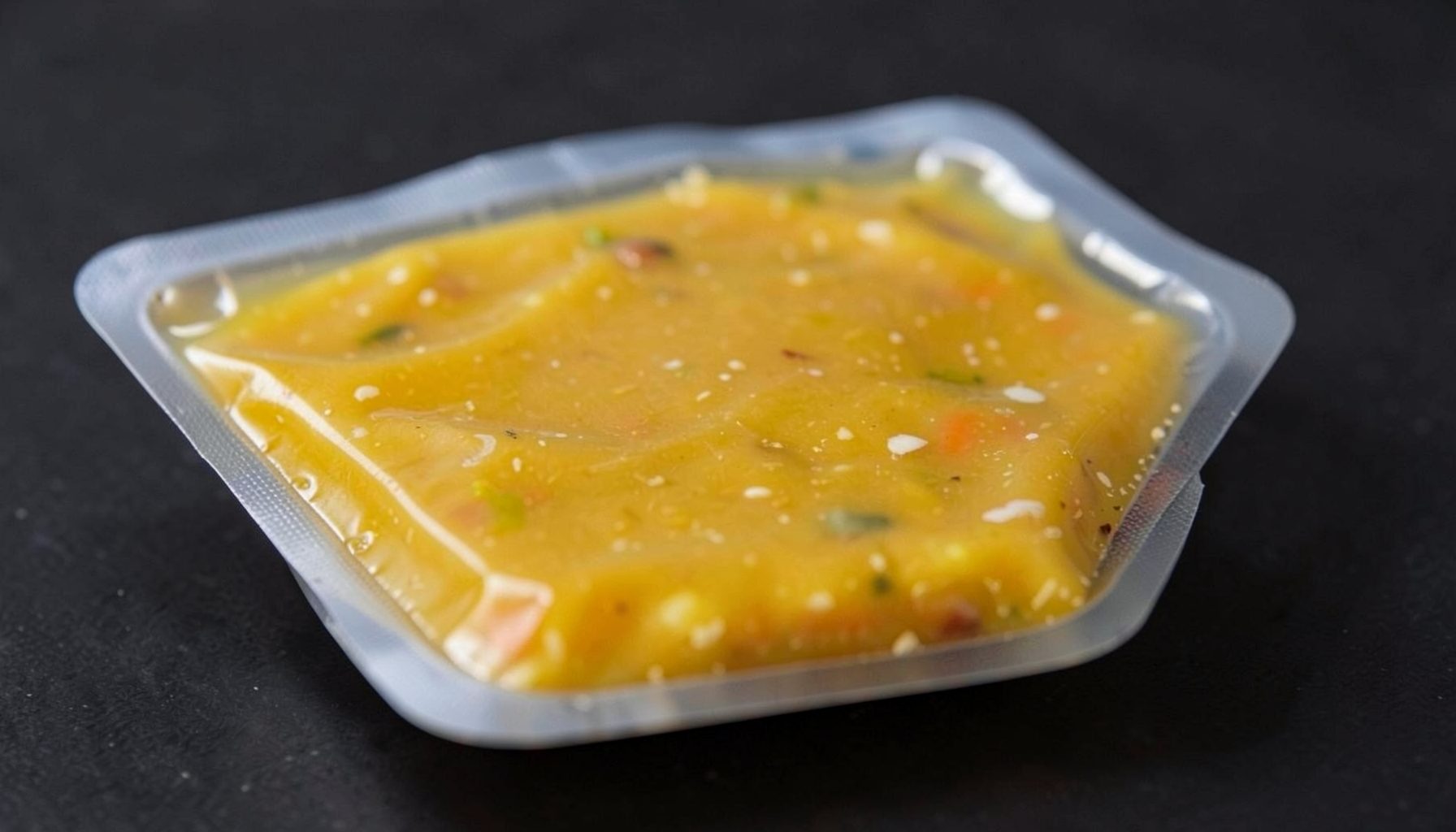
蛤?! Golden Clam Broth — New Batch
NT$ —
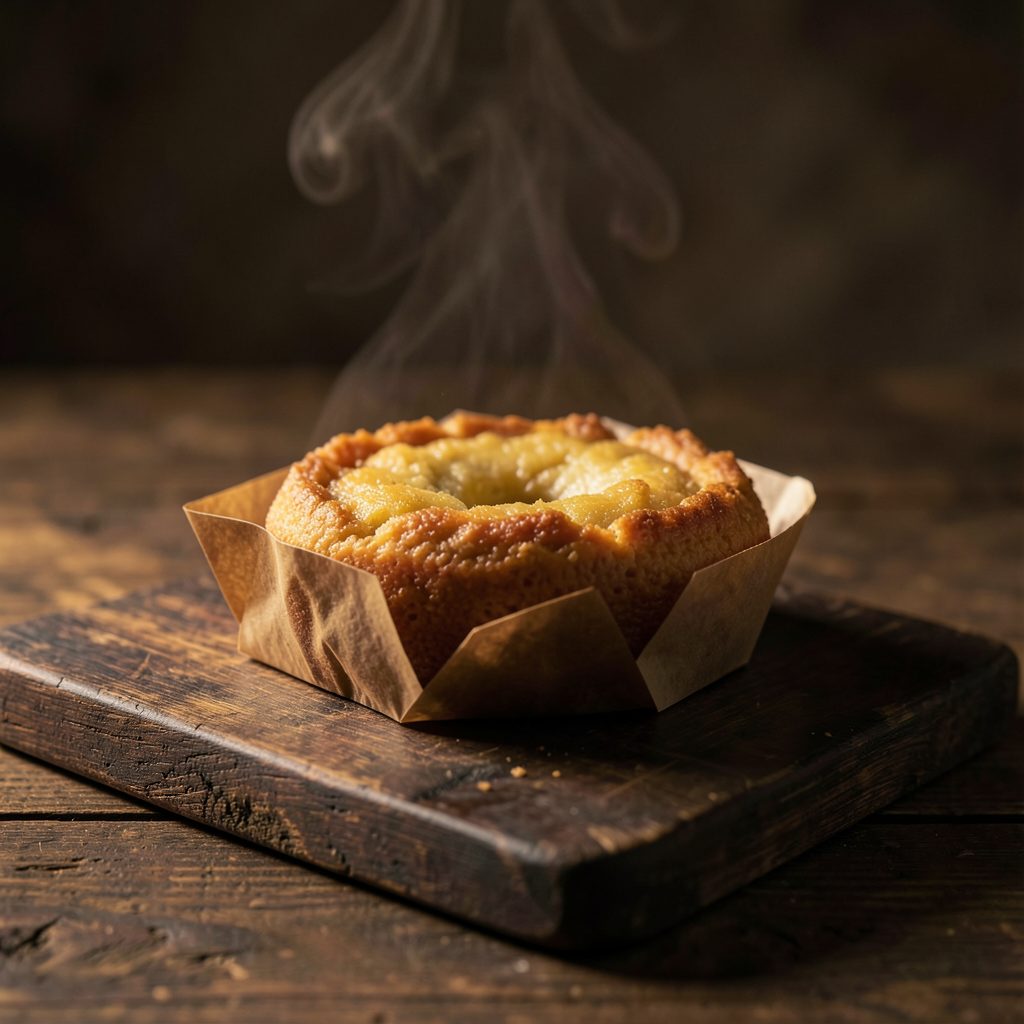
Radish Cake —蘿蔔糕精神
NT$ —
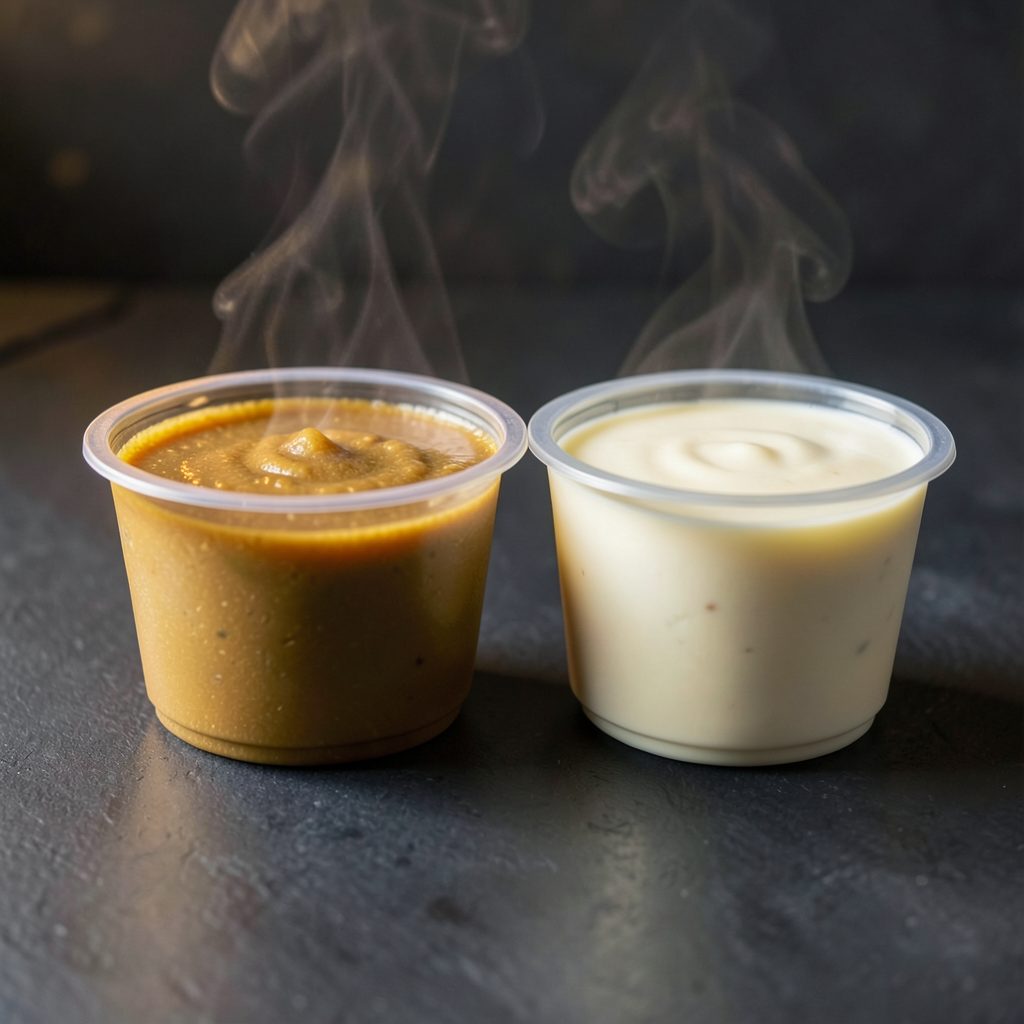
Duo Soup Base Set
NT$ —
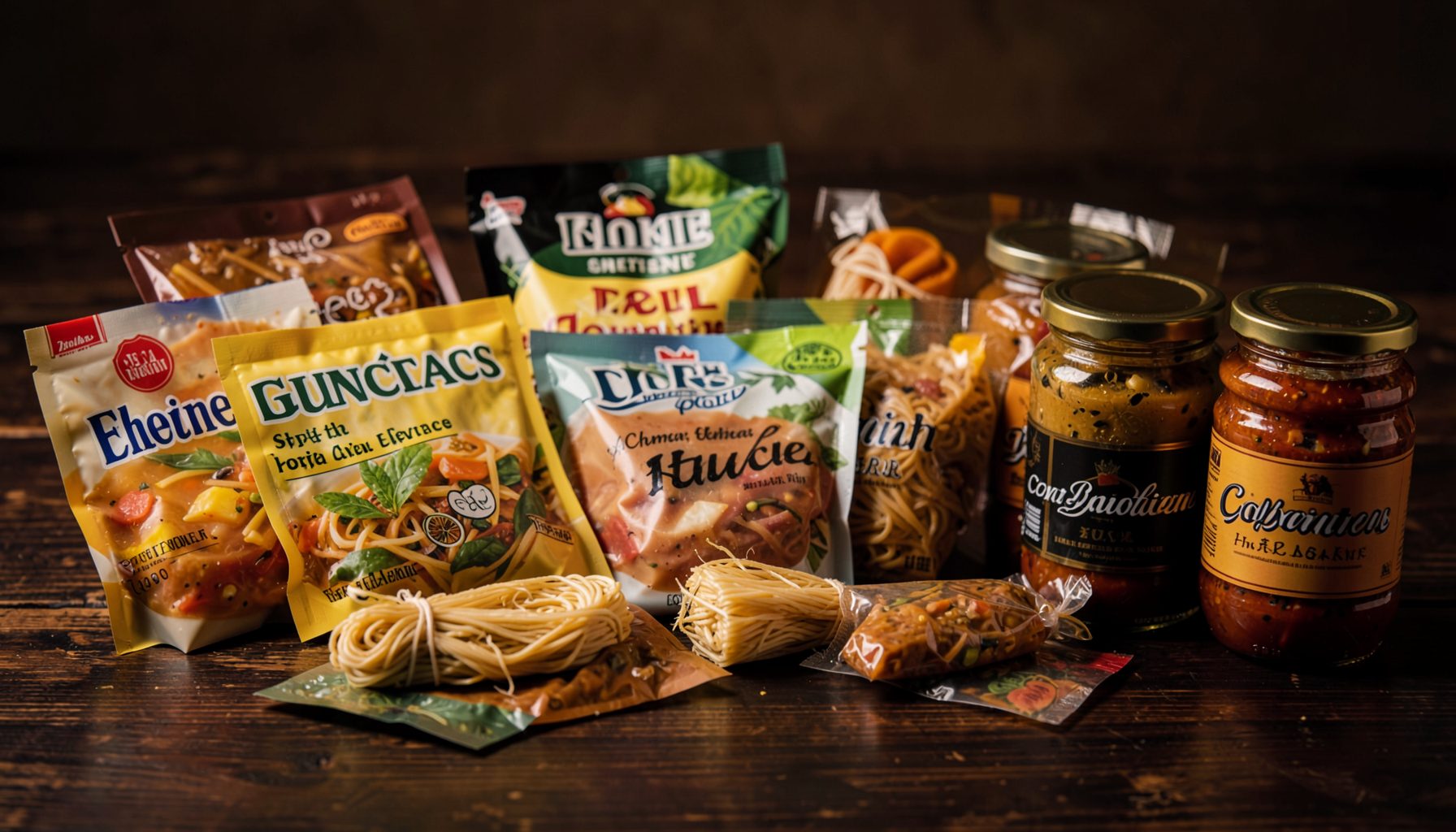
Hot Pot Essentials Bundle
NT$ —
About 蛤?! Huh Pot
蛤?! Huh Pot is a Cantonese-style hot pot brand known for its signature clam-based broth —卜卜蜆 — made with rich old-hen stock and generous portions of fresh clams. The brand also encompasses 本事滿足鍋物, a personal hot pot concept, bringing the same depth of flavor to individual servings.
Through MoneyCome Mart, these restaurant-quality soup bases, dry noodles, radish cakes, and signature sauces are available for home delivery across Taiwan. Restaurant locations in Taipei's Da'an District, Civic Boulevard, and Taichung's Gongyi Road also welcome guests for dine-in, with online reservations available.