Crispy air fryer turnip cakes done right at home
Air fryers have become a quiet workhorse in Australian kitchens over the last few years, and it's easy to see why. They preheat in minutes, use a fraction of the power of a full oven, and they turn out the kind of crisp edges that usually demand a deep fryer. For anyone who grew up chasing the last piece of lo bak go at a yum cha in Sydney or Melbourne, that crunchy contrast is the whole point of the dish.
Turnip cake, or lo bak go as it's known in Cantonese households, is one of those foods that almost always tastes better the next day. The shredded daikon radish and rice flour mixture firms up overnight in the fridge, which is why the slices hold their shape so well during reheating. Frozen versions, like those shipped by MoneyCome Mart across its cold-chain network, let home cooks skip the grating and the steaming without sacrificing much of that hand-made flavour.
The beauty of reheating frozen turnip cake in an air fryer is the texture you can pull off in under fifteen minutes. No greasy pan, no babysitting a skillet, just a hot basket and a few flips. It's the kind of set-and-forget technique that fits a weeknight tea or a relaxed weekend brunch.
This guide walks through choosing a cake worth reheating, prepping it properly, nailing the air fryer settings, avoiding common slip-ups, and finishing with sauces that lift the whole plate. A few of the steps feel almost too simple once you have done them a couple of times.
Choosing a cake that actually crisps
Not every frozen turnip cake behaves the same once heat hits it. The denser the slice, the longer it needs to thaw before going into the basket, and the more rice flour the producer used, the crispier the finish. Asian grocery aisles at Woolworths and Coles usually carry a couple of options, and the imported Hong Kong-style blocks tend to have a higher daikon content than the cheaper rice-dominant ones.
Look at the ingredient list before you buy. A short list with daikon, rice flour, shiitake, and a little Chinese sausage is usually a good sign. If the cake is mostly starch with very little vegetable, it will turn rubbery in the air fryer. For those keeping a pantry stocked with hot pot ingredients, MoneyCome Mart's range is built around that same flavour-first approach, and the same logic carries over to its frozen clam broth comparison guide, which is handy if you want to build a full meal around the cakes later.
Prep work before the basket goes in
Pull the cake out of the freezer the night before and slide it into the fridge, still wrapped. A slow thaw keeps the slice from sweating water into the rice flour, which is what causes splatter and uneven browning. If you forget, a quick twenty-minute rest on the bench works in a pinch, but the fridge method is far more reliable.
Slice the block into pieces roughly one and a half centimetres thick. Anything thinner tends to dry out before the crust forms, and anything thicker stays cool in the middle. Brush or spray both sides lightly with a neutral oil like sunflower or canola, which is what most Australian pantries have on hand. A thin film is all you need; too much oil and the cake fries rather than crisps.
Dialing in the air fryer settings
Most air fryers sold in Australia run a touch hotter than imported American models because they are calibrated for Celsius, so trust the dial rather than guessing. Set the temperature to 180°C and let the basket preheat for three minutes. Lay the slices in a single layer with a centimetre or two of space around each piece; crowding steams the cakes and you lose the crust.
Cook for eight minutes, then flip. Give them another five to seven minutes until both sides are deep golden and the edges look almost lace-like. Pull one piece out and tap the centre with a chopstick; it should feel firm, not soft. If you are reheating more than one batch, keep the first one warm on a plate lined with a clean tea towel while the next lot cooks.
Slip-ups that leave you with soggy squares
The most common mistake is going straight from freezer to basket. Ice crystals on the surface melt into steam, which keeps the crust from setting. Thawing first solves almost every texture complaint. The second mistake is skipping the oil; rice flour needs fat to brown properly, and a dry cake will simply go pale and tough.
Another pitfall is opening the drawer every couple of minutes to check on progress. Every drop in temperature sets the cooking back, and the crust needs uninterrupted heat to develop. Finally, resist the urge to stack slices or cram them in. Two batches of eight minutes each will always beat one crowded batch of twelve minutes that comes out patchy and limp.
Finishing the plate and pairing sauces
Turnip cake is rarely served alone in a Cantonese context. A small dish of sweet soy sauce, a swipe of chilli oil, or a few drops of black vinegar with ginger are the classic companions. For something a little different, a quick vegetable glaze made from the same pantry sauces you already own turns a snack into a proper meal, and the how to use our sauces as a stir fry glaze for vegetables guide breaks down the ratios in plain steps.
If you are leaning into a full hot pot night, pair the cakes with a light clam broth and some blanched greens. The brininess of the broth and the caramelised edges of the cake play off each other nicely, especially when the rest of the spread is rich and heavy. Leftover slices also reheat well the next morning in a sandwich press, which makes them handy for arvo snacking or a quick brekkie alongside a fried egg.
Easy wins for the crispiest cakes
- Thaw in the fridge overnight, never straight from frozen.
- Slice around 1.5 cm thick and oil both sides lightly.
- Preheat the air fryer to 180°C before adding the basket.
- Cook in a single layer, flip once, and resist the urge to peek.
- Rest the cooked slices on a warm plate to keep the crust crisp.
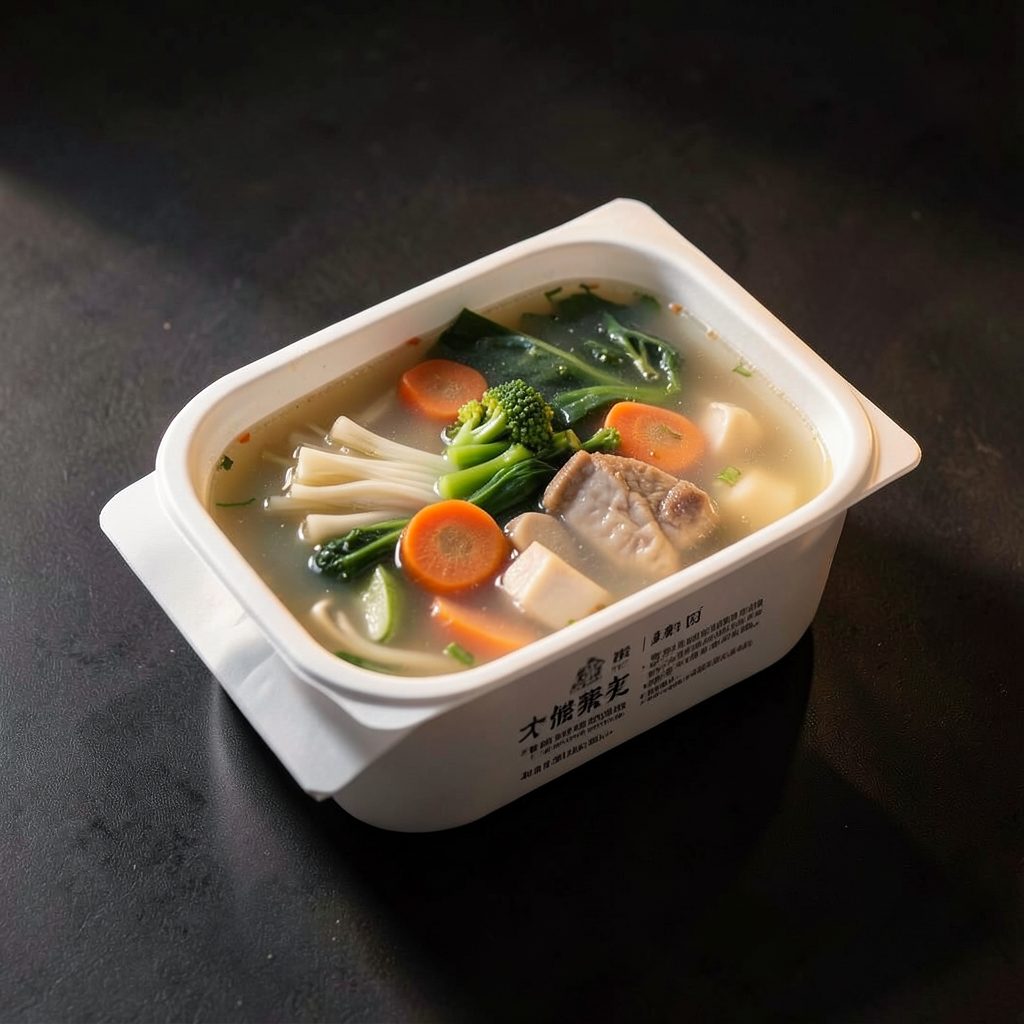
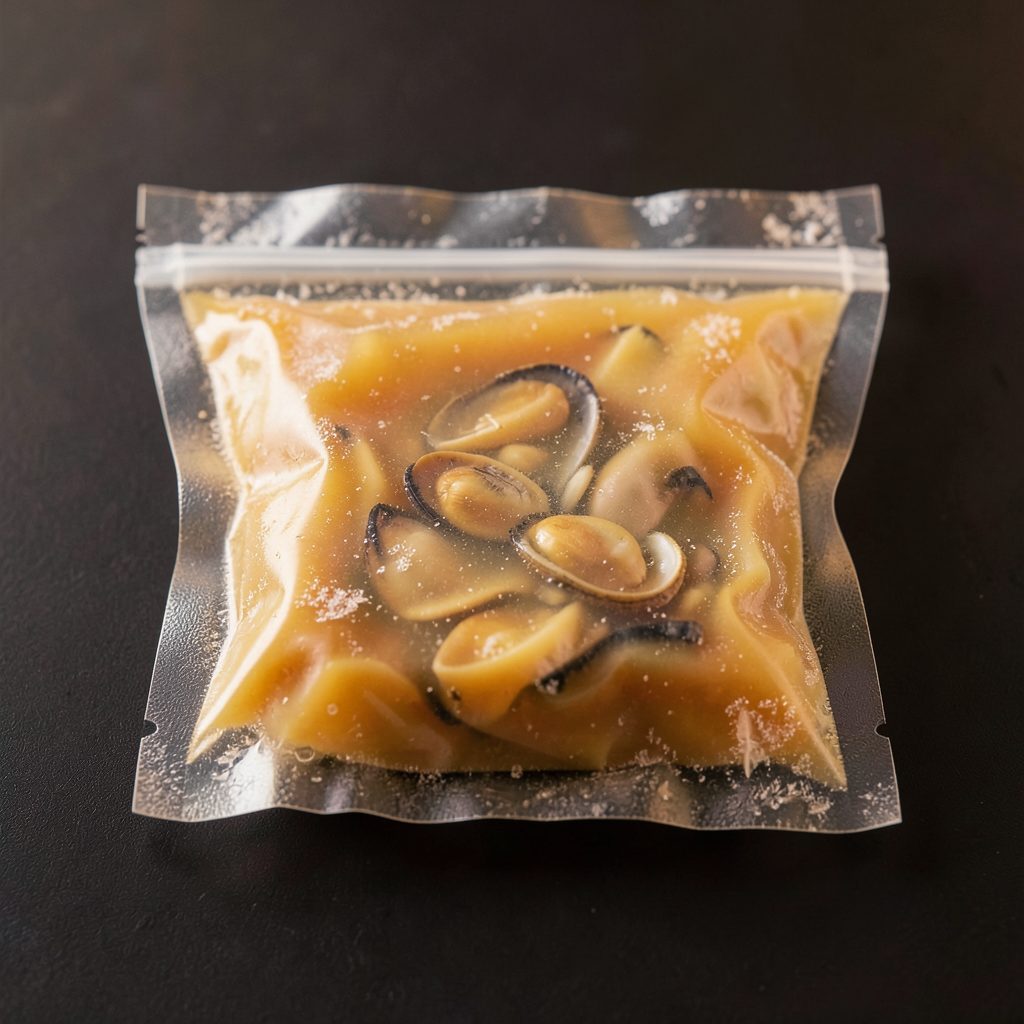
Best Sellers
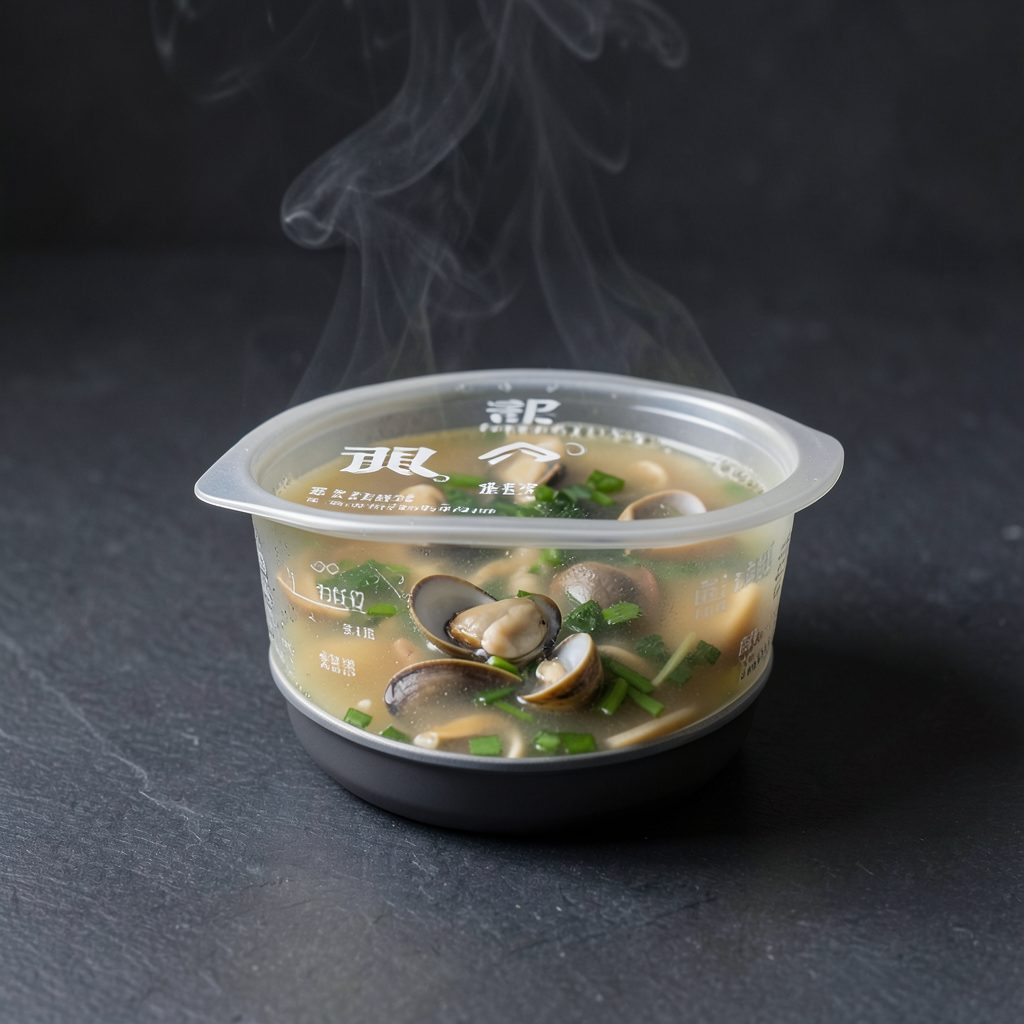
蛤?! Clam Soup Base —卜卜蜆
NT$ —
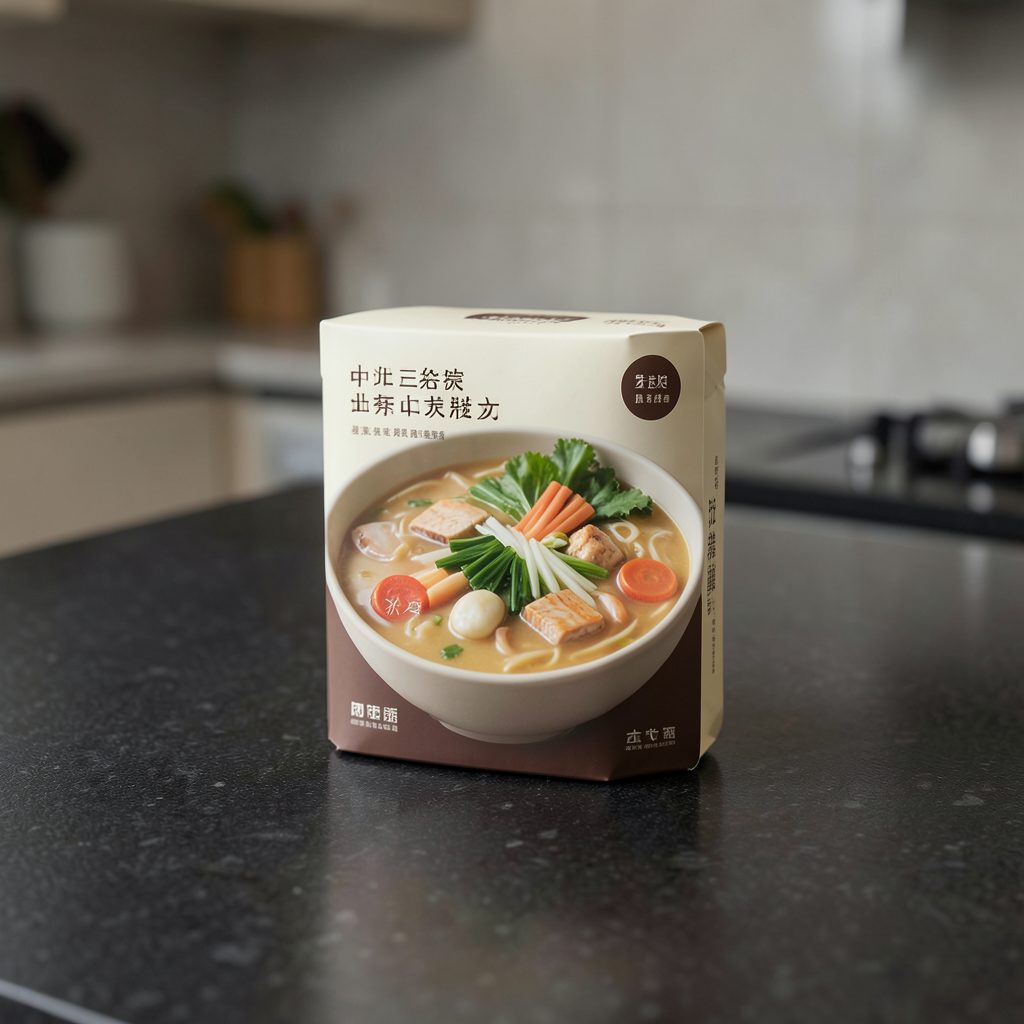
本事滿足鍋物 Personal Pot Base
NT$ —
蛤?! Dry Noodles
NT$ —
Signature Sauce
NT$ —
New Arrivals
蛤?! Golden Clam Broth — New Batch
NT$ —
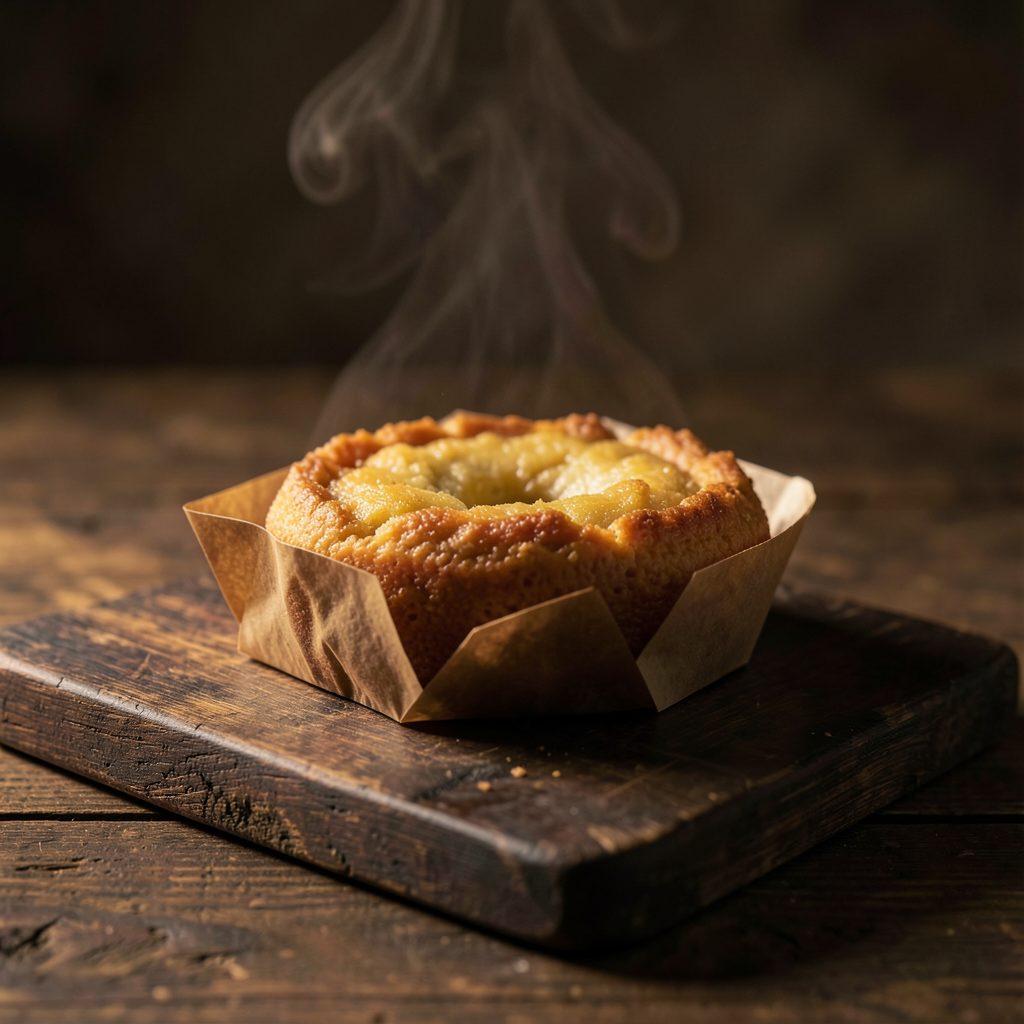
Radish Cake —蘿蔔糕精神
NT$ —
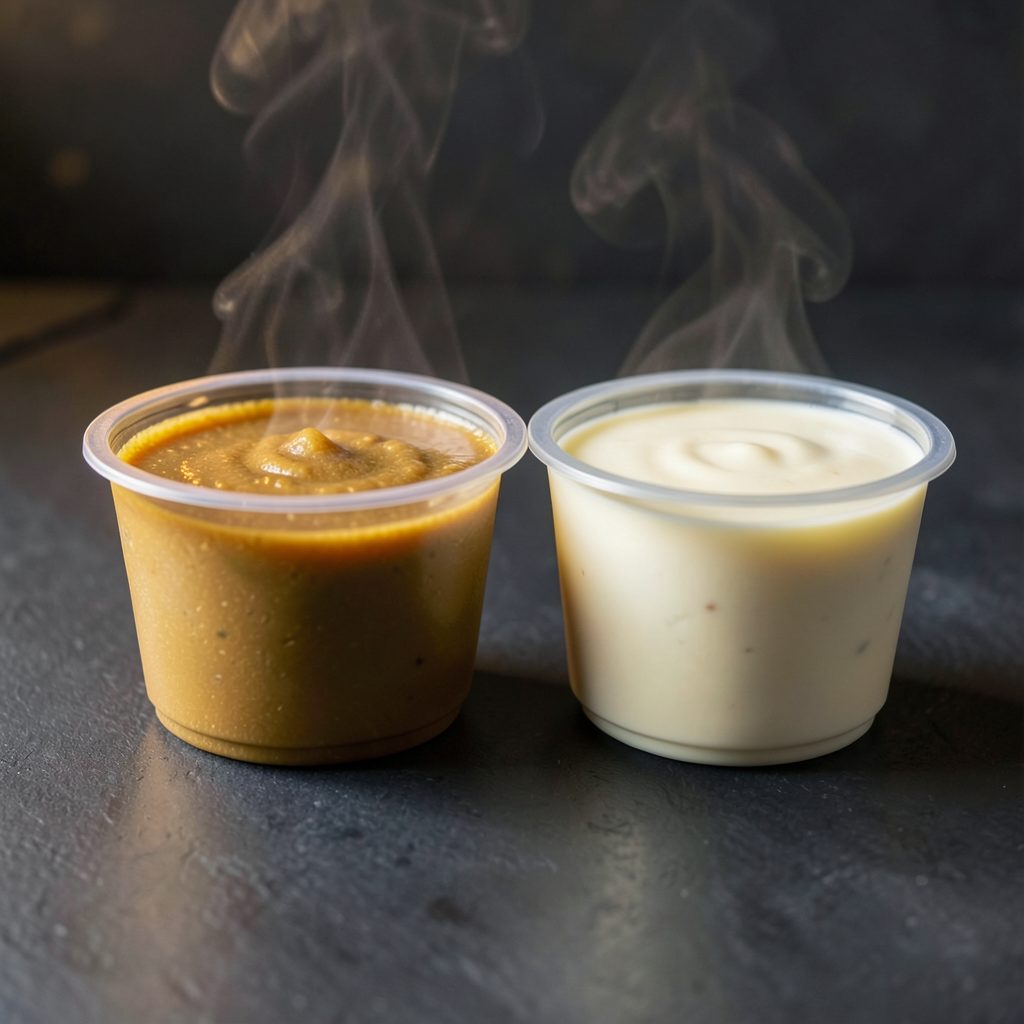
Duo Soup Base Set
NT$ —
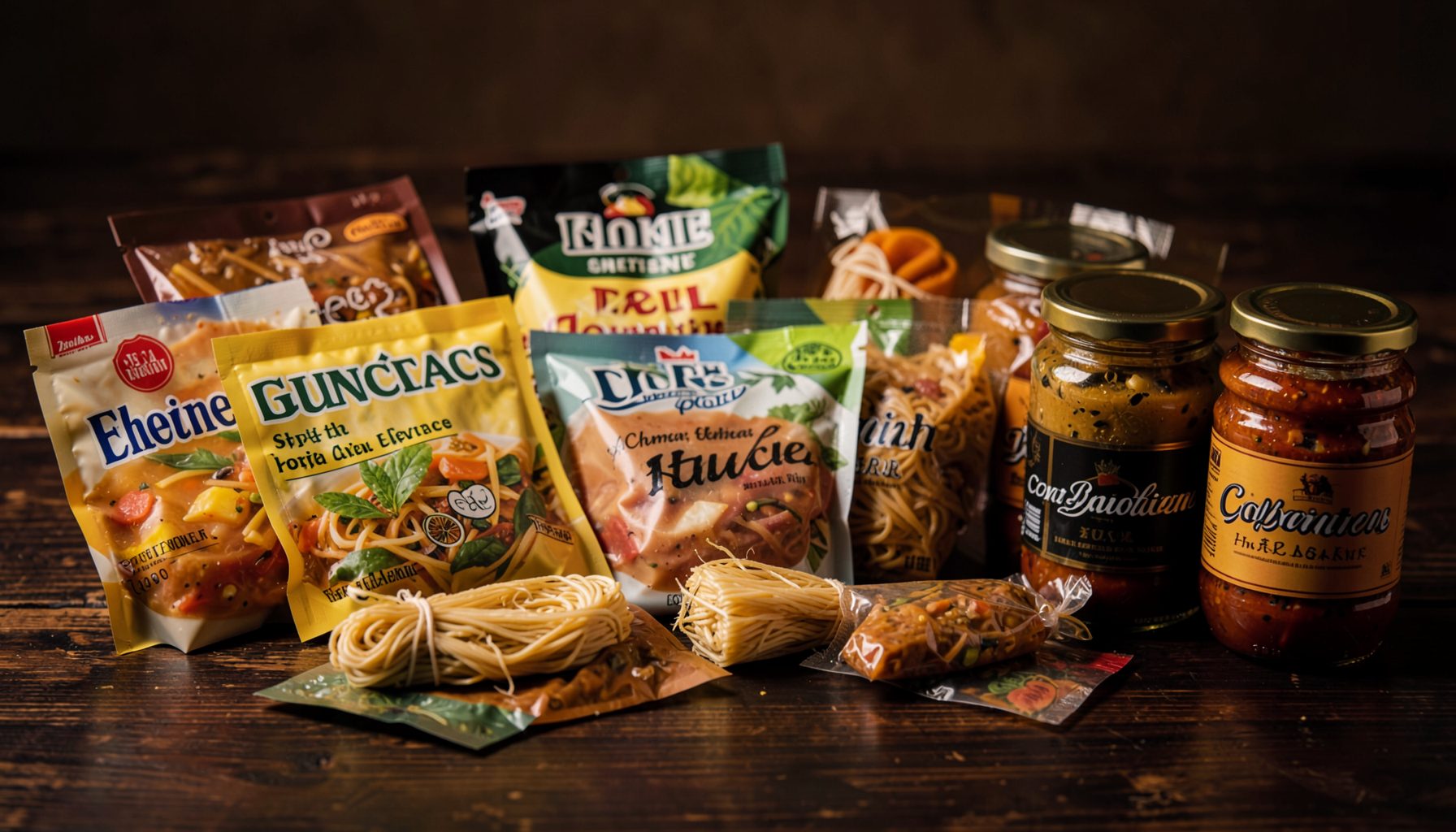
Hot Pot Essentials Bundle
NT$ —
About 蛤?! Huh Pot
蛤?! Huh Pot is a Cantonese-style hot pot brand known for its signature clam-based broth —卜卜蜆 — made with rich old-hen stock and generous portions of fresh clams. The brand also encompasses 本事滿足鍋物, a personal hot pot concept, bringing the same depth of flavor to individual servings.
Through MoneyCome Mart, these restaurant-quality soup bases, dry noodles, radish cakes, and signature sauces are available for home delivery across Taiwan. Restaurant locations in Taipei's Da'an District, Civic Boulevard, and Taichung's Gongyi Road also welcome guests for dine-in, with online reservations available.