A Simple Guide to Reading Product Expiration Labels
When frozen hot pot ingredients arrive at your door, the package label tells you how to store and use them safely. A few details matter most: the printed date, the storage temperature, whether the package has been opened, and whether the food has been thawed.
MoneyCome Mart products are shipped through a cold-chain process, but checking the label is still an important part of receiving your order. Read each product separately, since soup bases, sauces, noodles, prepared foods, and frozen side dishes may have different storage periods.
The date on the package is a guide for product quality and safe use under the stated conditions. It should be read together with the wording around it, rather than treated as an isolated number.
Start With The Printed Date
Taiwanese food packaging may show a manufacturing date, an expiration date, or a storage period. Look for wording such as “製造日期” for the production date, “有效日期” for the valid-through date, and “保存期限” for the recommended shelf life. The label may use a year, month, and day format, so read the order carefully.
A date printed as numbers with slashes or dashes can be easy to misread if you are used to a different regional format. When in doubt, compare the date with the surrounding Chinese text or product information. Keep the original package until the food has been used, especially if you are transferring items to another part of the freezer.
Read Storage Instructions Together
An expiration date assumes the food has been kept as directed. Frozen products should remain frozen, while refrigerated products need to stay within the stated chilled range. A package that has been left at room temperature for an extended period may no longer be suitable simply because its printed date has not passed.
Place delivered frozen foods in the freezer as soon as possible after checking the shipment. Avoid storing them in the refrigerator unless the package specifically allows it. If an item arrives partially thawed, has leaking packaging, or shows unusual swelling, separate it from other foods and contact the store for assistance.
Understand The Wording On The Label
An expiration date is different from a “best before” suggestion. The former indicates the last date for use under specified storage conditions, while the latter generally describes the period when flavor, texture, or aroma is expected to be at its best. The wording printed on the package should take priority over general rules.
The storage period also applies to an unopened product. Once a soup base, dipping sauce, noodle pack, or prepared ingredient is opened, air and handling can affect its quality. Reseal it carefully, mark the opening date, and follow any additional instructions on the package.
| Label detail | What it tells you | Practical action |
|---|---|---|
| Manufacturing date | When the product was made or packed | Use it with the stated storage period |
| Expiration or valid-through date | The final date indicated for use under proper storage | Do not use after this date |
| Storage period | How long the unopened product is expected to keep | Count from the applicable date shown |
| Frozen storage instruction | The temperature or condition required | Keep frozen until preparation |
| After-opening instruction | How long or how the product should be kept once opened | Refrigerate, reseal, or use promptly as directed |
Check Each Product Type
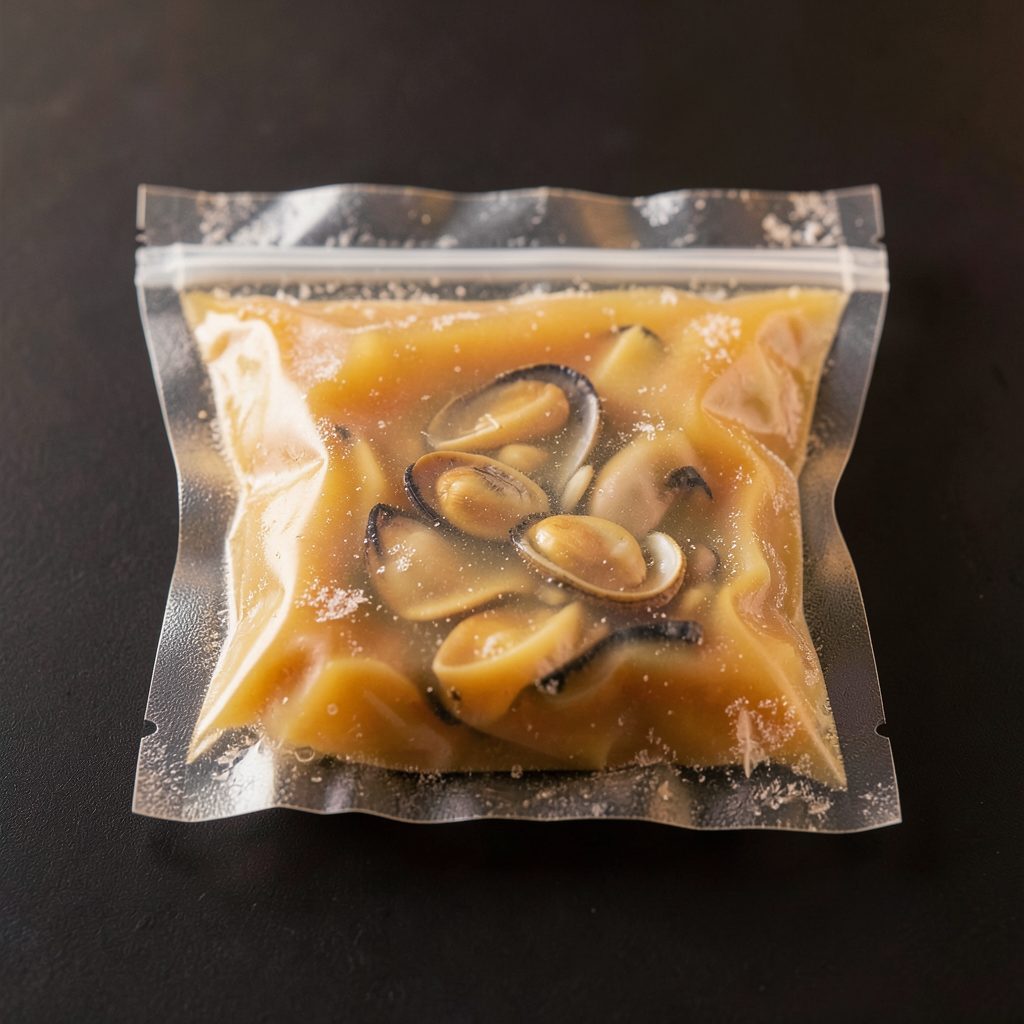
Soup bases and clam broths are often stored frozen before cooking, but their packaging may differ from sauces or dry noodles. A frozen broth pouch should stay sealed until you are ready to prepare it, while a sauce container may require refrigeration after opening. Turnip cakes and other prepared items should be checked for both cooking instructions and storage guidance.
Do not assume that every item in a hot pot bundle shares the same expiration date. Bundles can contain several individually packaged products, each with its own production information. Inspect every pouch, tray, and packet before placing the items into long-term storage.
Use Safe Thawing And Handling Practices
Thaw frozen ingredients in the refrigerator when possible, or follow the cooking directions if the item can be heated directly from frozen. Avoid repeatedly thawing and refreezing food, as temperature changes can reduce quality and may create food-safety concerns.
Use clean utensils when handling sauces and prepared ingredients. Do not return cooked food to its original package, and refrigerate leftovers promptly in a clean, covered container. For product-specific storage and handling details, review the frequently asked questions before preparing your meal.
Build A Reliable Label-Checking Routine
A few simple habits make expiration-date management easier, particularly when your freezer contains several hot pot ingredients.
- Check the printed date as soon as the delivery arrives.
- Group products by date and place the items with the earliest dates where they are easy to see.
- Write the opening date on sauces, broths, and partially used packages.
- Keep products in their original packaging so storage instructions remain available.
- Discard food with a damaged seal, unusual odor, unexpected color, or uncertain storage history.
Reading the date is only one part of using a packaged food responsibly. The condition of the seal, the cold-chain delivery, the storage temperature, and the time since opening all provide useful context.
Before your next hot pot gathering, check the labels, organize the freezer, and prepare each ingredient according to its package directions. With that small routine in place, MoneyCome Mart soup bases, noodles, sauces, and prepared favorites can move from cold storage to the dining table with greater confidence.
Best Sellers
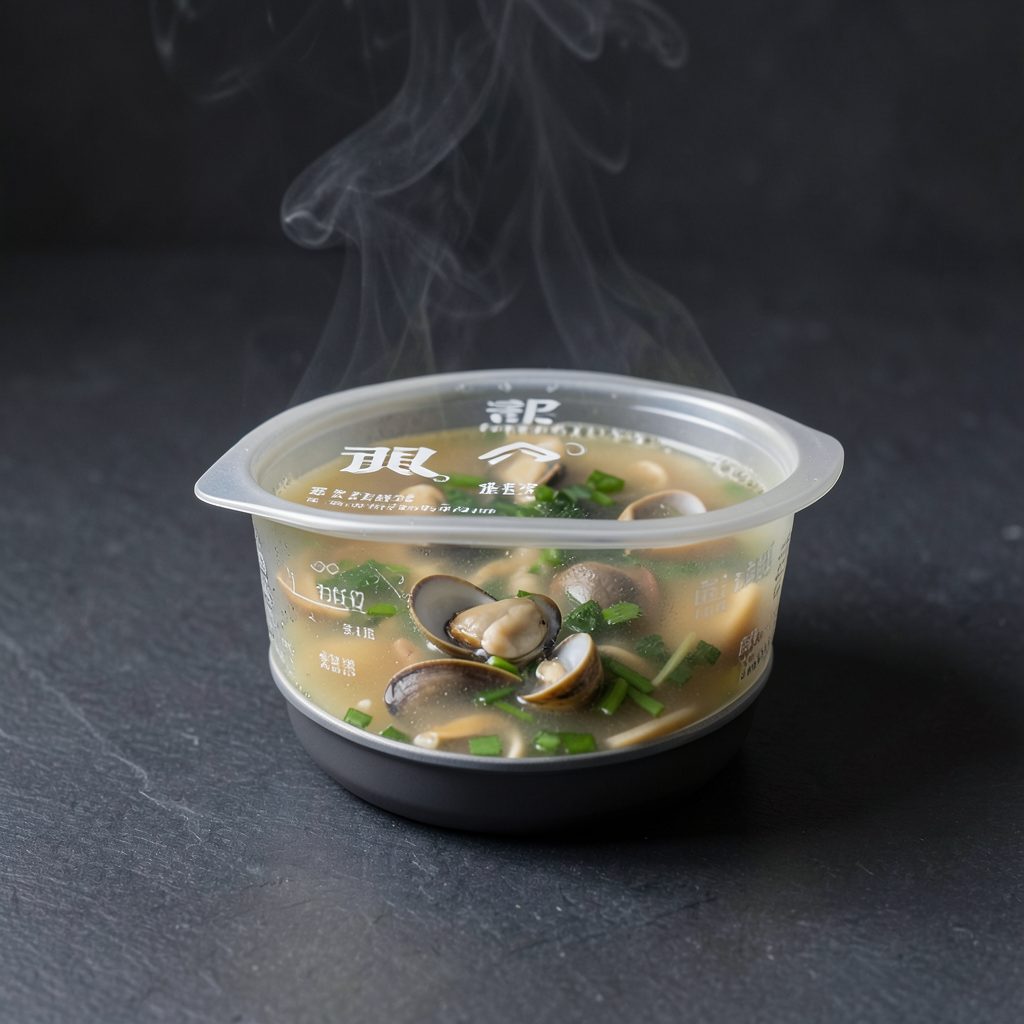
蛤?! Clam Soup Base —卜卜蜆
NT$ —
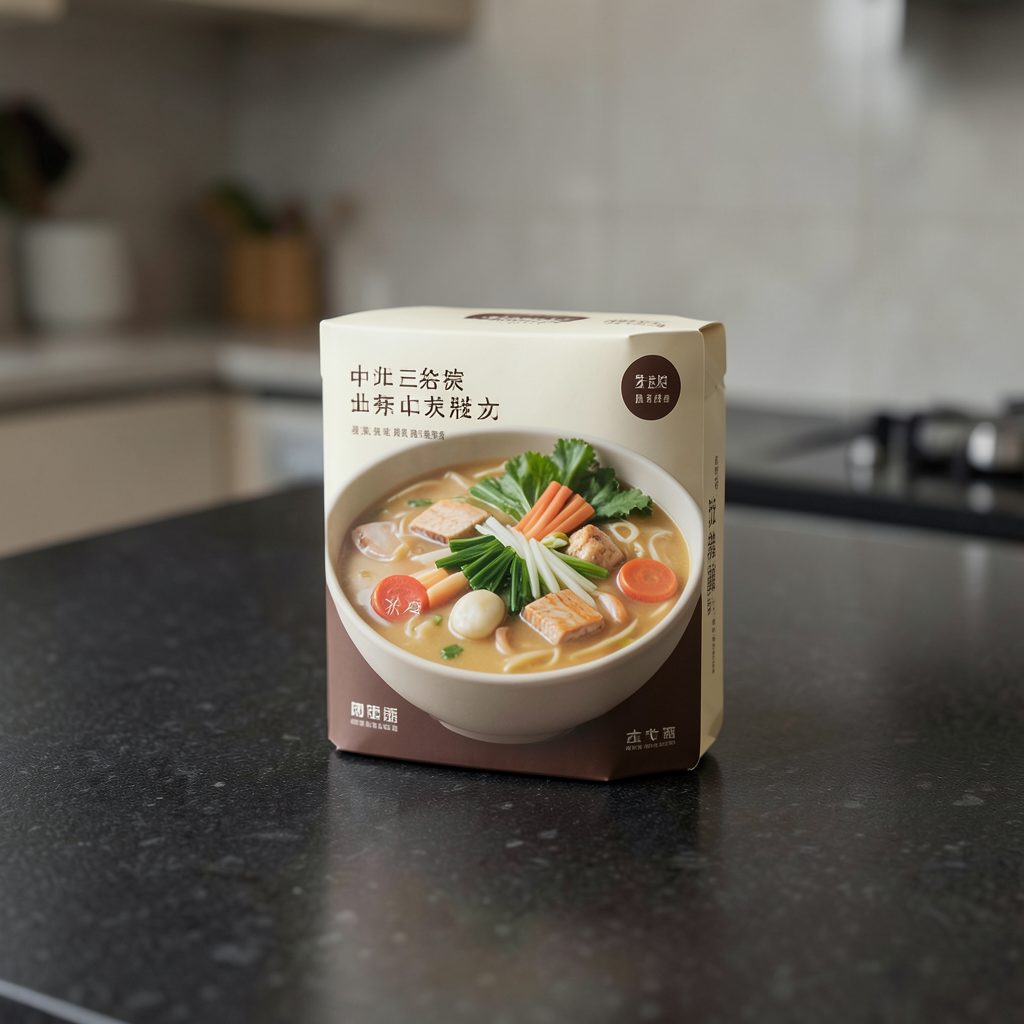
本事滿足鍋物 Personal Pot Base
NT$ —
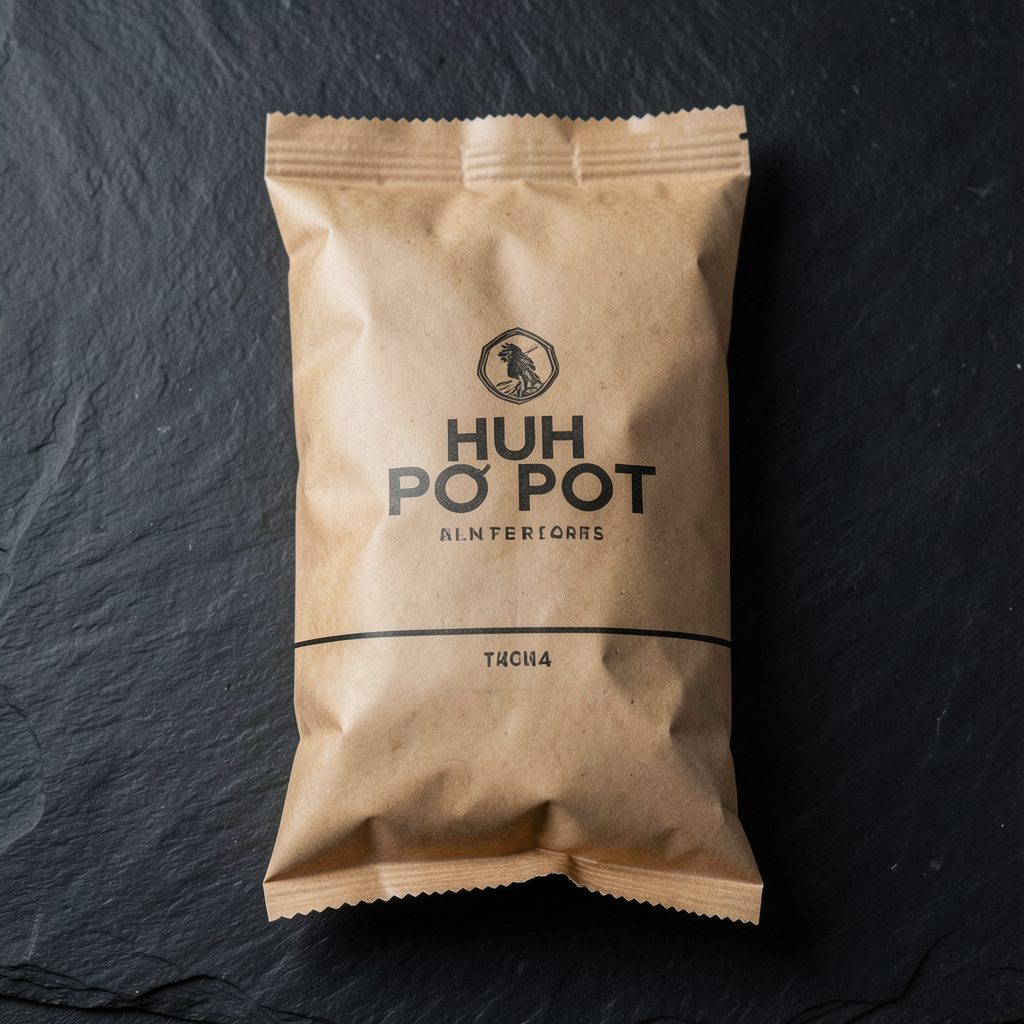
蛤?! Dry Noodles
NT$ —
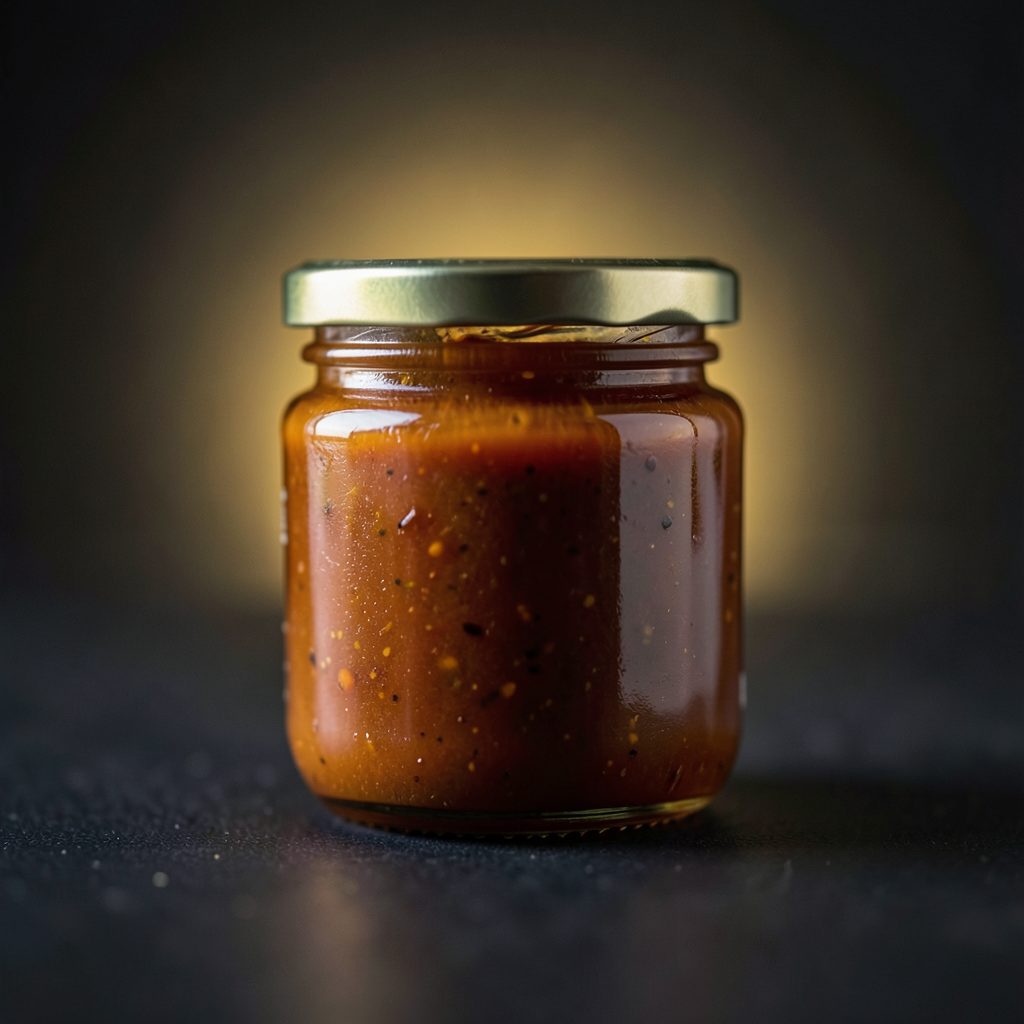
Signature Sauce
NT$ —
New Arrivals
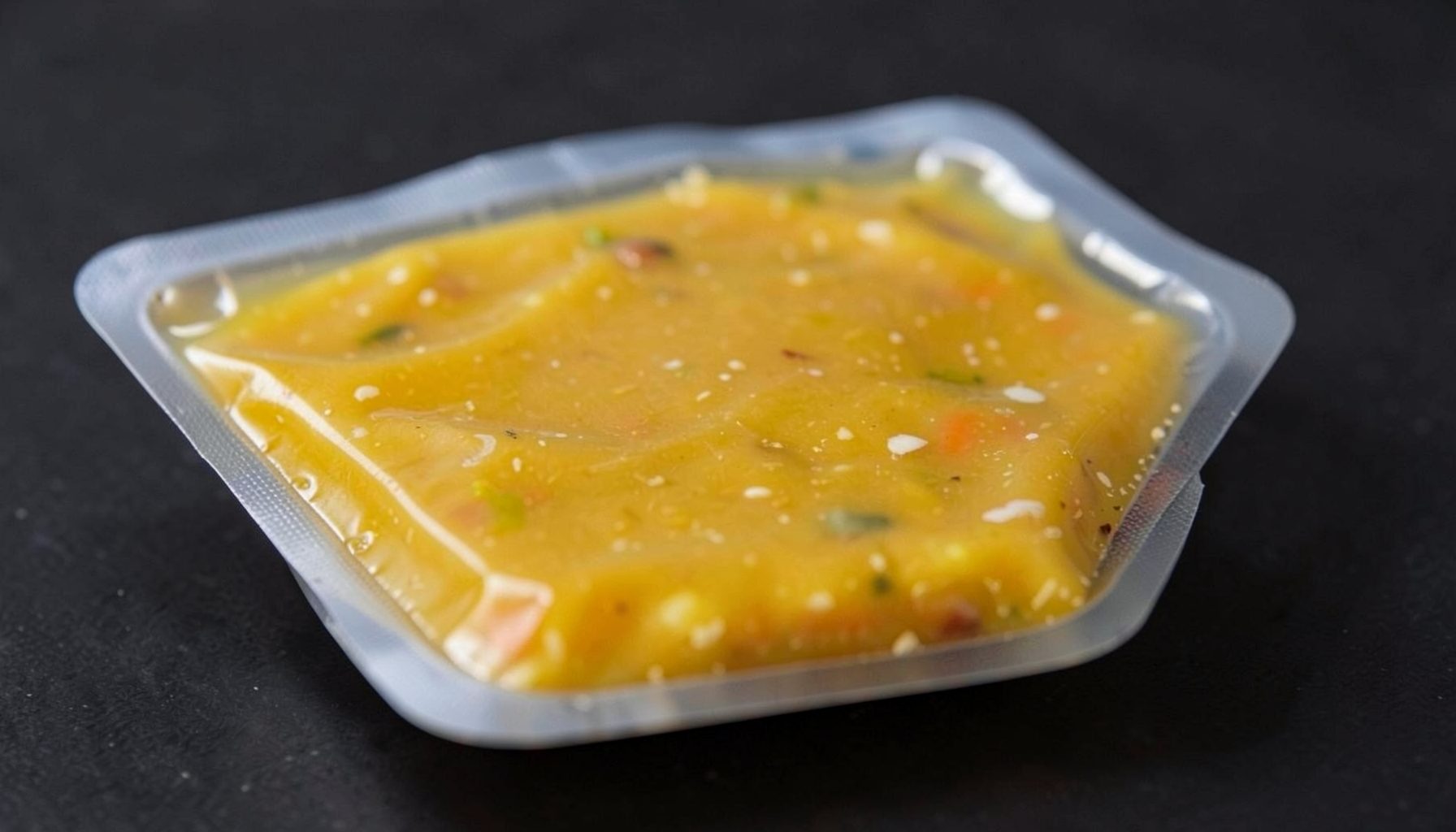
蛤?! Golden Clam Broth — New Batch
NT$ —
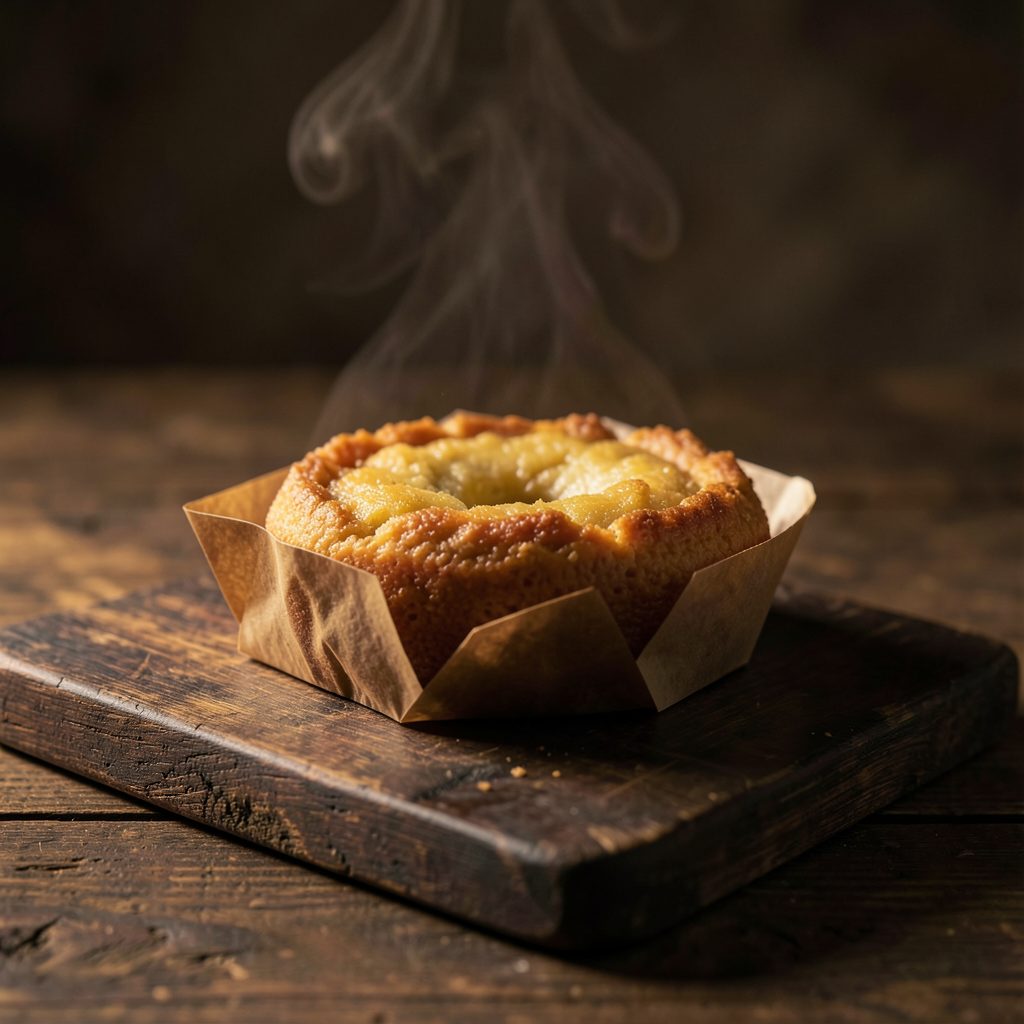
Radish Cake —蘿蔔糕精神
NT$ —
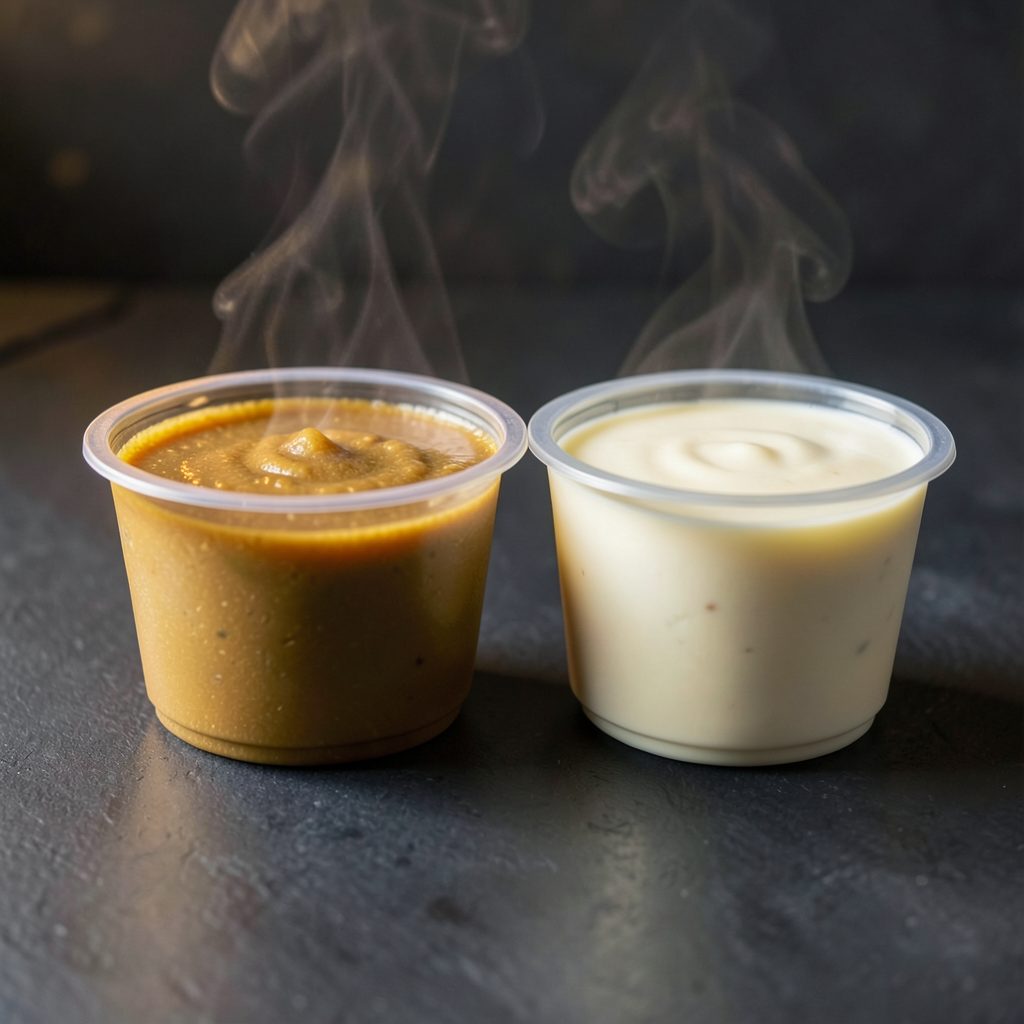
Duo Soup Base Set
NT$ —
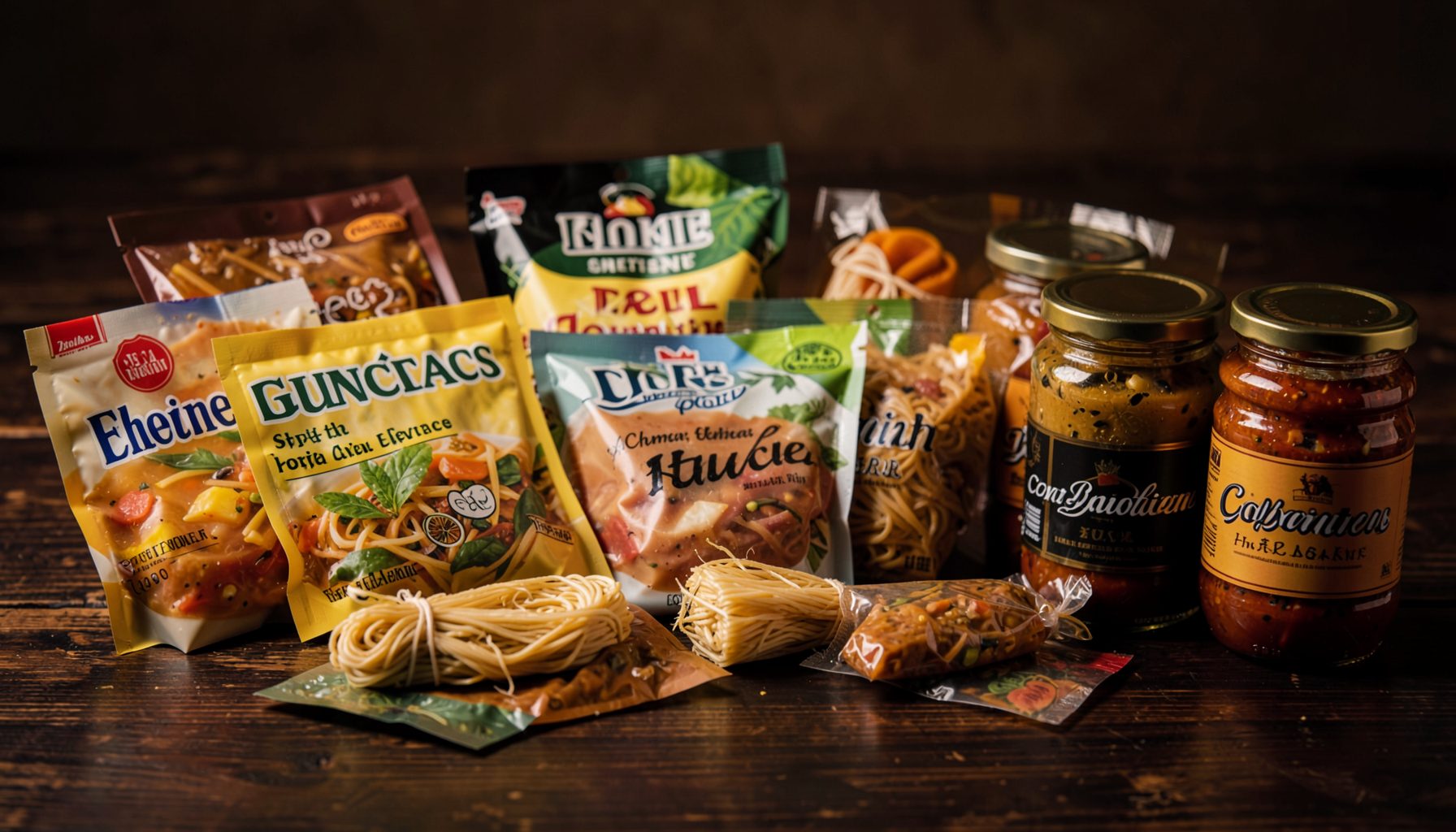
Hot Pot Essentials Bundle
NT$ —
About 蛤?! Huh Pot
蛤?! Huh Pot is a Cantonese-style hot pot brand known for its signature clam-based broth —卜卜蜆 — made with rich old-hen stock and generous portions of fresh clams. The brand also encompasses 本事滿足鍋物, a personal hot pot concept, bringing the same depth of flavor to individual servings.
Through MoneyCome Mart, these restaurant-quality soup bases, dry noodles, radish cakes, and signature sauces are available for home delivery across Taiwan. Restaurant locations in Taipei's Da'an District, Civic Boulevard, and Taichung's Gongyi Road also welcome guests for dine-in, with online reservations available.