A Month-by-Month Guide to Taiwan’s Seasonal Hot Pot Ingredients
Hot pot in Taiwan follows the rhythm of the local climate. Cool-weather meals favor leafy greens, root vegetables, mushrooms, and rich broths, while warmer months call for lighter seafood, crisp vegetables, and refreshing herbs. Shopping with the seasons brings better flavor, texture, and value to a home-cooked meal.
A seasonal hot pot also creates variety without requiring complicated recipes. The same Cantonese-style broth can feel completely different when paired with spring bamboo shoots, summer corn, autumn taro, or winter cabbage. Fresh ingredients can be combined with prepared noodles, sauces, dumplings, and frozen soup bases for an easy meal.
MoneyCome Mart makes this style of cooking practical for households across Taiwan. With cold-chain delivery and restaurant-quality products connected to the 蛤?! Huh Pot and 本事滿足鍋物 brands, you can keep a flexible selection ready for spontaneous gatherings.
How Taiwan’s Seasons Shape Hot Pot
Taiwan’s subtropical climate means the seasonal calendar is less rigid than in colder countries. Northern and mountainous areas may stay cool longer, while southern cities can offer warm-weather produce almost year-round. Seafood availability also changes with water temperature, rainfall, and fishing conditions.
Use the calendar as a guide rather than a strict rule. Local markets, supermarkets, and specialty food stores may carry the same ingredient for several months, but seasonal produce is often at its freshest and most aromatic during its natural peak.
A Practical Monthly Ingredient Map
The following overview pairs each month with ingredients that suit the weather and common Taiwanese food traditions. It includes vegetables, seafood, mushrooms, and prepared additions that work well in Cantonese hot pot.
| Month | Seasonal ingredients | Best hot pot use |
|---|---|---|
| January | Napa cabbage, daikon, oysters, clams, mushrooms | Rich broths and long simmering |
| February | Chrysanthemum greens, tofu, pumpkin, squid | Fragrant soups with delicate seafood |
| March | Spring bamboo shoots, mustard greens, peas, clams | Crisp, lightly seasoned pots |
| April | Watercress, cabbage, bamboo shoots, shrimp | Clear broths and dipping sauces |
| May | Corn, okra, water spinach, squid | Fresh, colorful summer-style pots |
| June | Winter melon, cucumber, clams, white fish | Light broths with cooling vegetables |
| July | Corn, bitter melon, eggplant, prawns | Seafood pots with sharp sauces |
| August | Taro, water spinach, pumpkin, fish fillets | Hearty vegetables with mild broth |
| September | Pumpkin, taro, mushrooms, cabbage | Early autumn comfort food |
| October | Napa cabbage, lotus root, daikon, oysters | Balanced broths and savory noodles |
| November | Chrysanthemum greens, enoki mushrooms, tofu, beef | Fragrant, warming hot pot |
| December | Cabbage, radish, oysters, lamb, assorted mushrooms | Deep broths and festive meals |
These ingredients can be mixed according to taste and availability. For example, clams and winter melon create a clean seafood broth, while mushrooms, cabbage, and tofu provide satisfying texture without making the meal feel heavy.
January To March: Roots, Greens, And Seafood
The first quarter is ideal for warming ingredients. Napa cabbage softens beautifully in simmering broth, daikon absorbs savory flavors, and mushrooms add depth without overpowering delicate seafood. Oysters, clams, and squid are excellent choices when you want a briny, Cantonese-inspired pot.
By March, spring bamboo shoots bring a fresh, lightly sweet crunch. Mustard greens and chrysanthemum greens add a pleasant bitterness that balances fatty meats and creamy soup bases. Add these greens near the end of cooking so they retain their color and texture.
April To June: Crisp Spring Produce
April sits between cool and warm weather, making it a good time for clear broths and vegetables with a fresh bite. Bamboo shoots, watercress, cabbage, and shrimp create a lighter meal, especially when served with citrus, garlic, or soy-based dipping sauces.
As May and June become warmer, corn, okra, water spinach, and winter melon become useful additions. Corn contributes sweetness to the broth, while winter melon becomes tender and absorbs the flavor of clam or fish stock. A prepared frozen soup base can shorten preparation while leaving room for fresh seasonal ingredients.
July To September: Light Broths And Summer Produce
Taiwanese summers are hot and humid, so hot pot menus often benefit from lighter soup bases and quick-cooking ingredients. Clams, prawns, squid, and white fish pair well with vegetables such as bitter melon, eggplant, corn, and water spinach.
Taro and pumpkin become more appealing toward late summer and early autumn. Their starchiness adds body to the meal, but they should be added in stages because they can thicken the broth. Keep seafood separate until the vegetables are nearly tender to preserve its clean flavor.
October To December: Comforting Autumn Flavors
Autumn brings a gradual return to hearty ingredients. Lotus root, daikon, napa cabbage, mushrooms, and pumpkin provide contrasting textures and work with both seafood and meat. Oysters become especially appealing in cooler months, while tofu and noodles help turn a simple broth into a complete dinner.
December is a natural time for generous shared meals. Lamb, beef, assorted mushrooms, radish, and cabbage suit richer soup bases, while chrysanthemum greens can be added just before serving for fragrance. Seasonal items and limited bundles are useful for creating a festive spread without buying every ingredient separately.
Plan Your Seasonal Hot Pot Shop
A well-organized pantry makes it easier to respond to changing weather and unexpected guests. Keep long-lasting sauces, noodles, frozen seafood, and soup bases available, then purchase fresh vegetables according to the current month.
For a balanced meal, choose one broth, two or three vegetables, one protein, and a starch. Add ingredients in order of cooking time so the soup stays clear and each item reaches the right texture.
- Select vegetables that are naturally abundant during the current season.
- Pair rich broths with bitter greens, mushrooms, or crisp roots.
- Add delicate seafood shortly before serving to prevent overcooking.
- Keep noodles, tofu, and prepared dumplings available for easy portions.
- Use cold-chain delivery to maintain the quality of frozen ingredients.
Seasonal planning does not require strict rules or elaborate cooking. Start with a dependable Cantonese broth, build around what is freshest in Taiwan, and finish with a sauce that suits the ingredients. Browse MoneyCome Mart’s hot pot selection and prepare a flavorful seasonal meal at home.
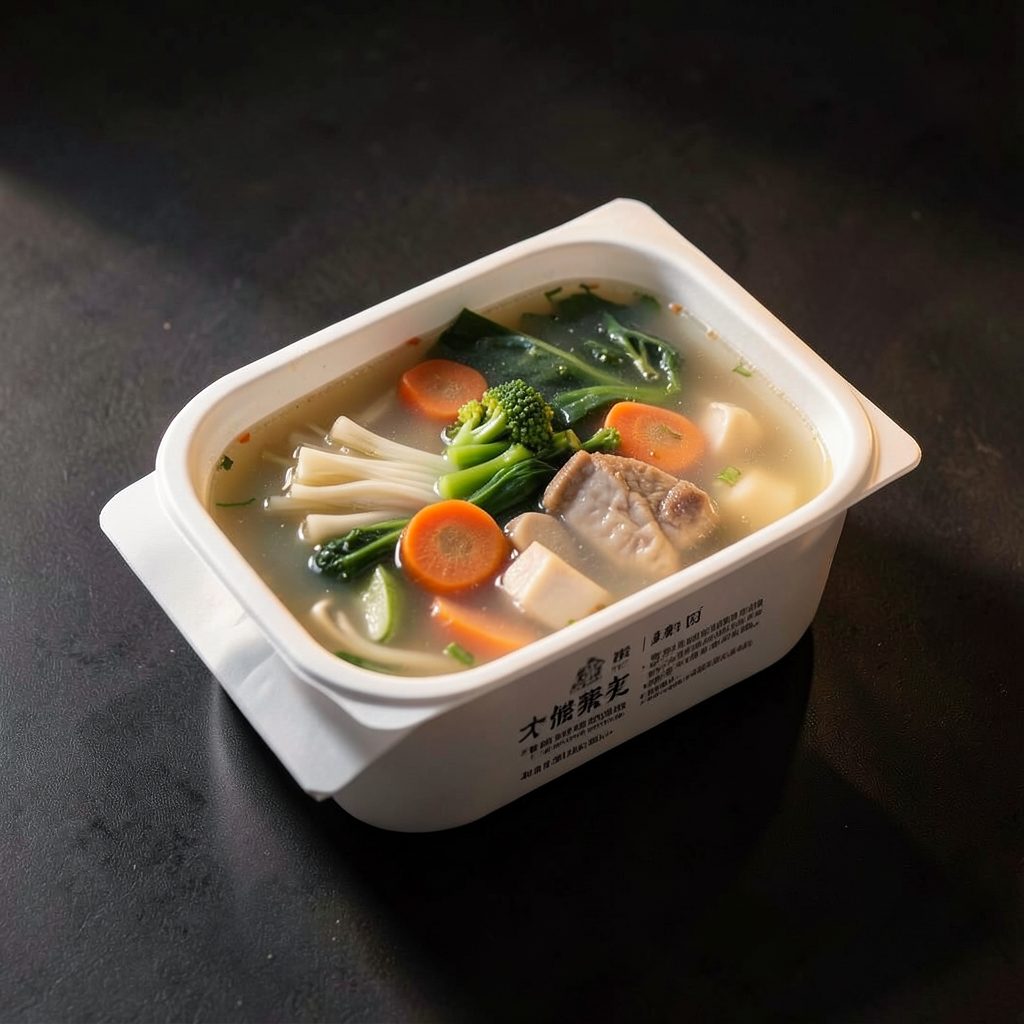
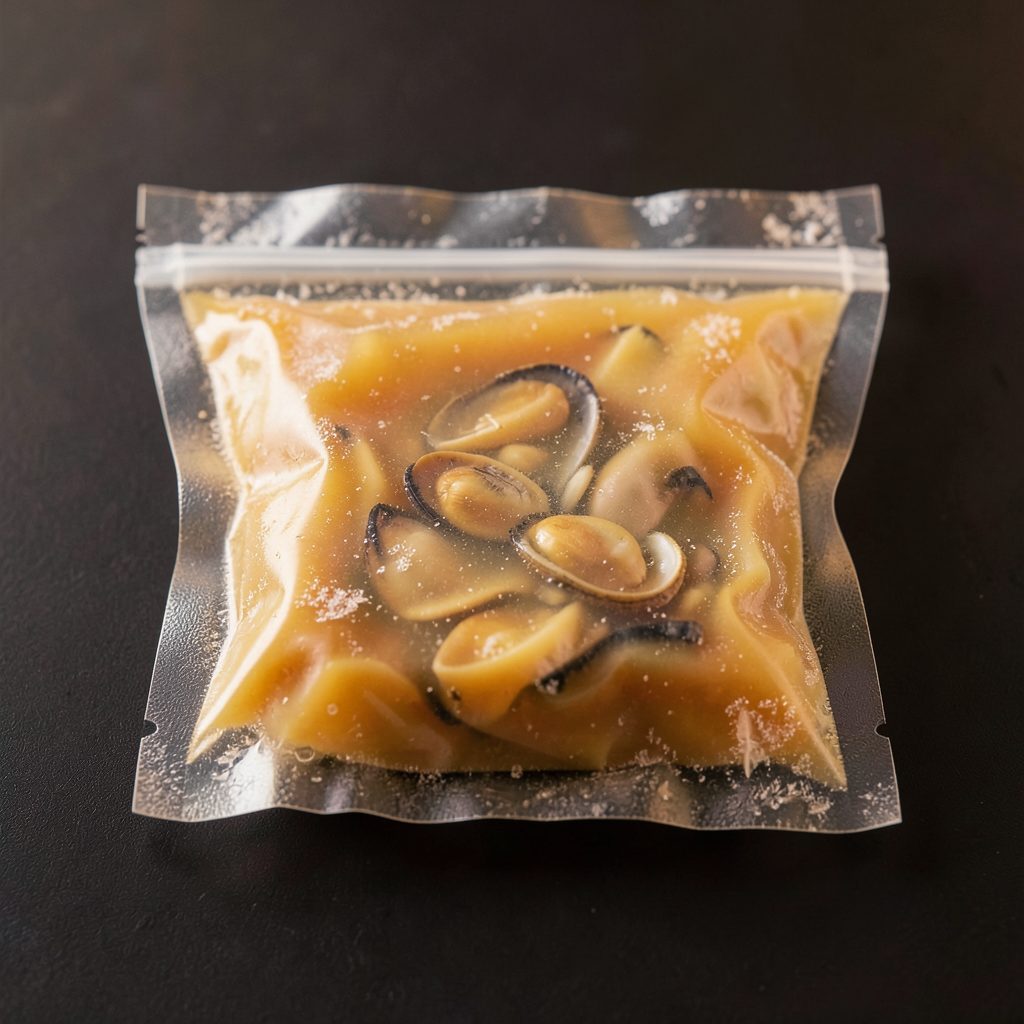
Best Sellers
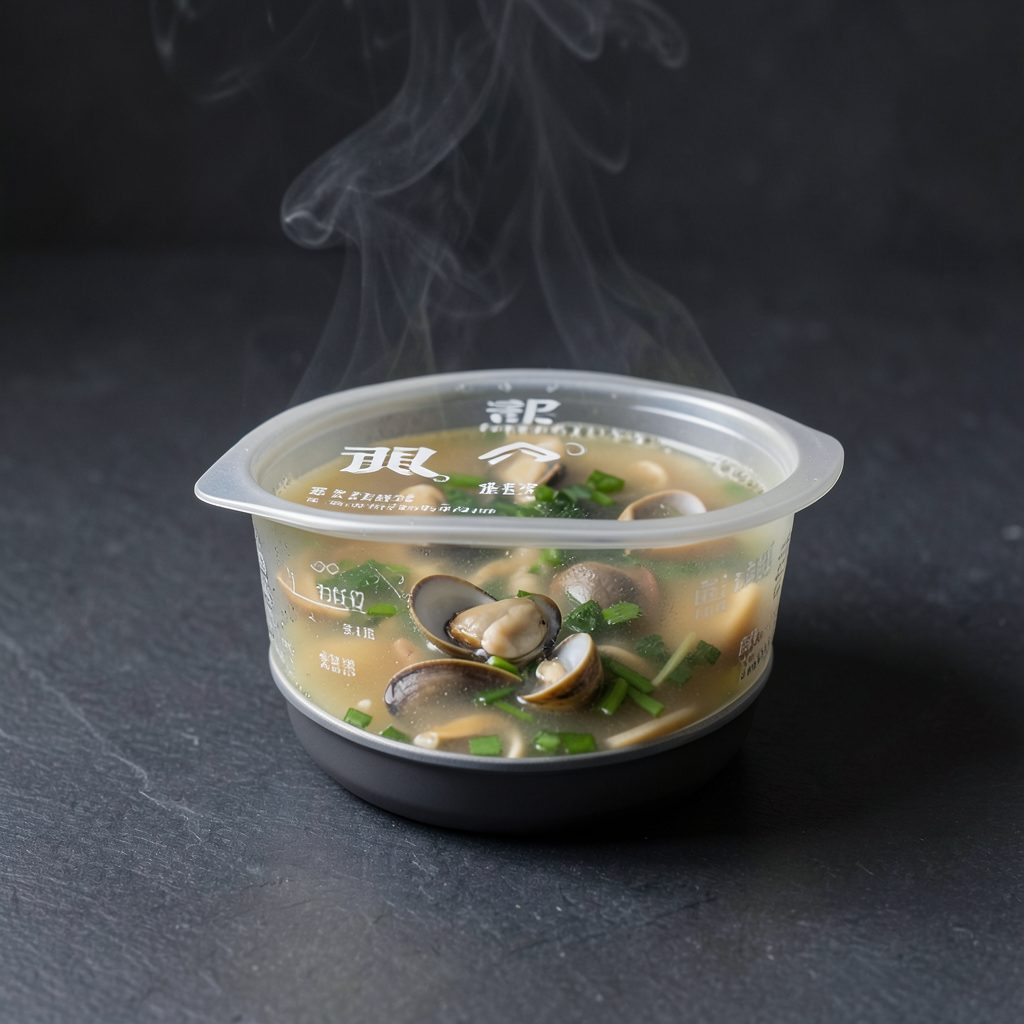
蛤?! Clam Soup Base —卜卜蜆
NT$ —
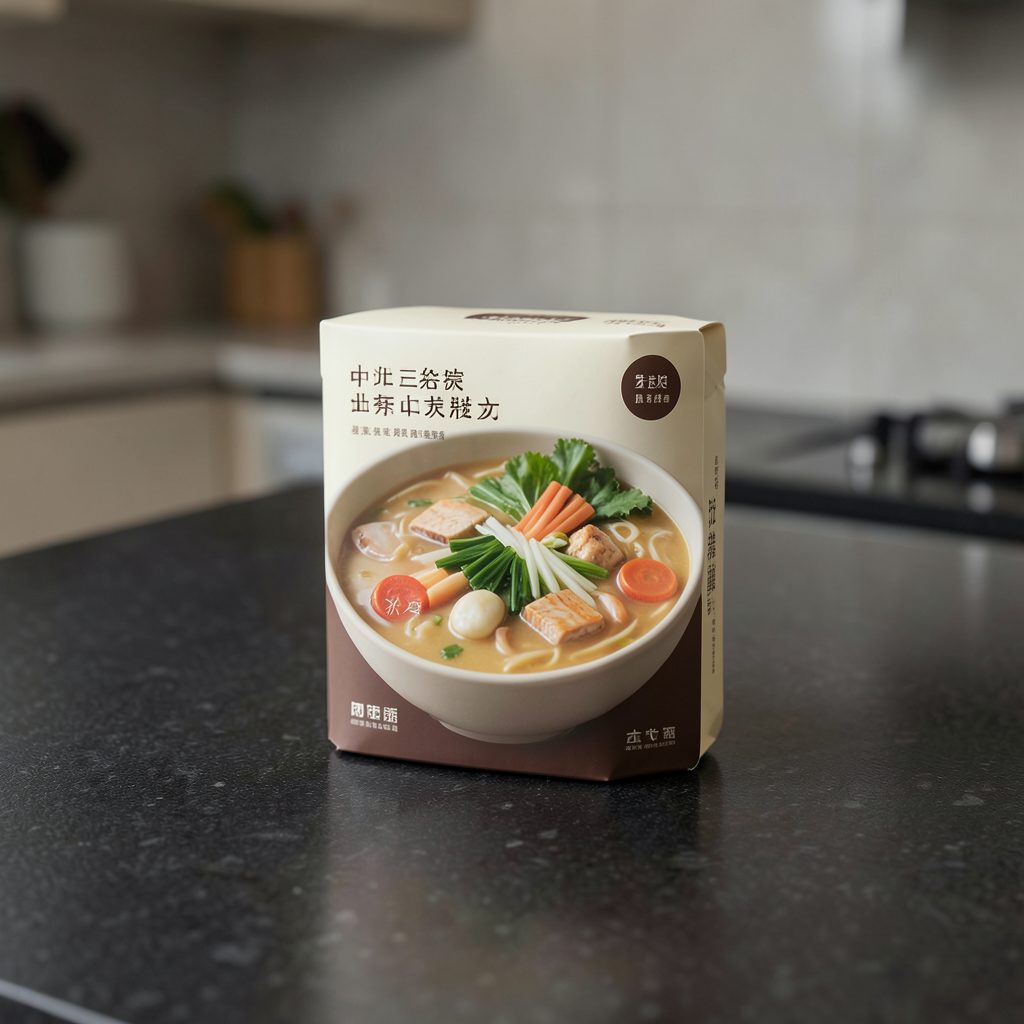
本事滿足鍋物 Personal Pot Base
NT$ —
蛤?! Dry Noodles
NT$ —
Signature Sauce
NT$ —
New Arrivals
蛤?! Golden Clam Broth — New Batch
NT$ —

Radish Cake —蘿蔔糕精神
NT$ —
Duo Soup Base Set
NT$ —
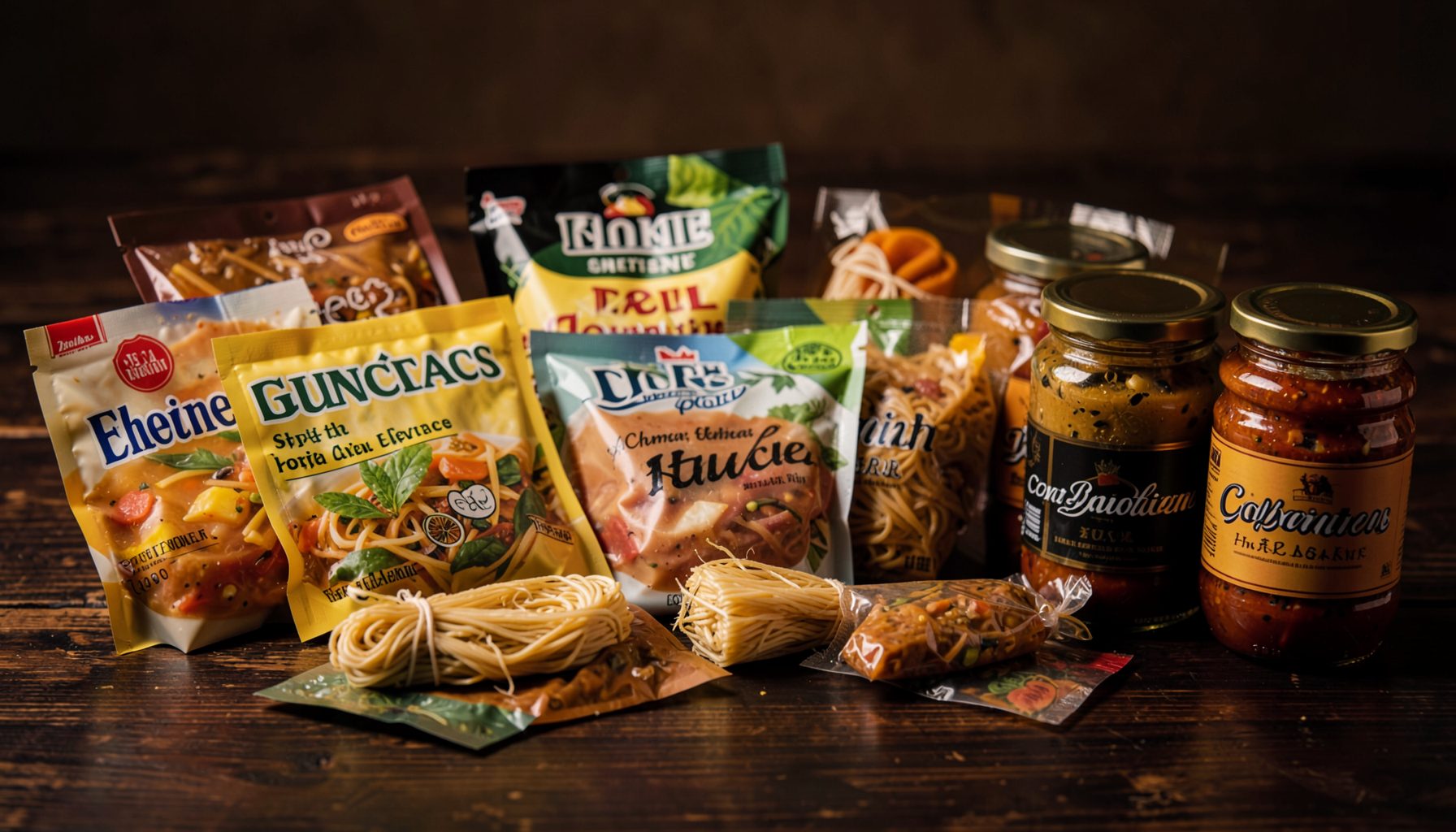
Hot Pot Essentials Bundle
NT$ —
About 蛤?! Huh Pot
蛤?! Huh Pot is a Cantonese-style hot pot brand known for its signature clam-based broth —卜卜蜆 — made with rich old-hen stock and generous portions of fresh clams. The brand also encompasses 本事滿足鍋物, a personal hot pot concept, bringing the same depth of flavor to individual servings.
Through MoneyCome Mart, these restaurant-quality soup bases, dry noodles, radish cakes, and signature sauces are available for home delivery across Taiwan. Restaurant locations in Taipei's Da'an District, Civic Boulevard, and Taichung's Gongyi Road also welcome guests for dine-in, with online reservations available.