A guide to traditional dipping sauces from Cantonese regions
Cantonese hot pot is shaped as much by its dipping bowl as by the broth. A clear soup, seafood stock, or herbal base gives ingredients their first layer of flavor, while a regional sauce adds salt, aroma, heat, sweetness, or richness at the table.
Across Guangdong, Hong Kong, and the wider Cantonese-speaking food culture, sauce recipes vary by household and restaurant. Some are built around fermented soybean products, others use roasted sesame, seafood, aromatics, or a concentrated shacha paste. Understanding these flavor families makes it easier to create a balanced bowl at home.
MoneyCome Mart’s hot pot selection is designed for convenient preparation, with frozen soup bases, noodles, prepared ingredients, and Cantonese-style products delivered across Taiwan. With the right dipping sauce, a home meal can feel carefully composed rather than simply assembled.
The flavor map of southern Chinese dipping sauces
Cantonese sauces tend to preserve the taste and texture of the ingredient instead of overwhelming it. A mild seafood broth may call for a bright soy-and-scallion dip, while beef, offal, or fish balls can handle a fuller sauce with sesame, fermented bean curd, or shacha.
Regional identity is present in the ingredients, but there is no single fixed formula. A Guangzhou household may add sesame paste to a soy-based dip, while a Hong Kong diner may reach for satay sauce, chili oil, or a combination of both. Personal preference and the type of hot pot often matter as much as geography.
Guangzhou and Pearl River Delta combinations
In Guangzhou and nearby Pearl River Delta cities, dipping sauces commonly balance savory soy sauce with fragrant aromatics. Chopped scallions, cilantro, garlic, ginger, and fresh chili create a lively accompaniment for fish slices, leafy greens, mushrooms, and thinly sliced pork.
Peanut or sesame paste may be loosened with warm water, soy sauce, or a little sesame oil. The result is creamy and nutty, with enough salt to season bland ingredients without masking a delicate chicken or seafood broth. A small amount of oyster sauce can add depth, although it should be used sparingly.
Shunde and Foshan’s gentle richness
Shunde cuisine is known for its careful treatment of fresh ingredients, and its hot pot sauces often follow the same principle. A light dip of soy sauce, ginger, scallion, and sesame oil works especially well with fish, shrimp, poached vegetables, and handmade fish paste.
Fermented bean curd, known as fu ru, may be stirred into a richer sauce for a salty, creamy, slightly fermented flavor. It pairs naturally with beef, fried bean curd, cabbage, and noodles. Because fu ru is intense, start with a small cube and adjust gradually rather than making it the dominant taste.
Chaoshan shacha and seafood-forward depth
Chaoshan cuisine, from eastern Guangdong, is closely associated with shacha sauce in beef hot pot. Although the region has its own identity within the broader southern Chinese food tradition, its sauces are an essential part of the Cantonese hot pot conversation. Shacha is typically fragrant, savory, and slightly spicy, with seafood, garlic, shallot, sesame, and dried aromatics contributing to its layered profile.
Fish sauce is another useful element in a Chaoshan-style dipping bowl. A few drops sharpen the flavor of beef, tendon, tofu, and vegetables, while fresh garlic and chili provide lift. Since shacha and fish sauce are both concentrated, combine them with water, soy sauce, or broth to keep the dip rounded.
| Regional influence | Core ingredients | Best with | Flavor character |
|---|---|---|---|
| Guangzhou and Pearl River Delta | Soy sauce, scallion, cilantro, garlic, sesame or peanut paste | Greens, seafood, pork, noodles | Fresh, savory, lightly nutty |
| Shunde and Foshan | Light soy, ginger, scallion, sesame oil, fermented bean curd | Fish, shrimp, vegetables, beef | Gentle, aromatic, creamy |
| Chaoshan | Shacha, fish sauce, garlic, chili, sesame | Beef, fish balls, tofu, tendon | Deep, seafood-rich, fragrant |
| Hong Kong-style hot pot | Satay, sesame paste, soy, chili oil, hoisin | Meat, dumplings, mushrooms | Rich, sweet-savory, warming |
Hong Kong-style sauce bar traditions
Hong Kong hot pot restaurants often offer a broad sauce bar, allowing diners to mix a personal dip from satay sauce, sesame paste, soy sauce, hoisin, chili oil, and fresh aromatics. This flexible approach reflects the city’s layered food history and its preference for customizable table dining.
A practical starting blend is one spoon of sesame or peanut paste, half a spoon of satay sauce, a little soy sauce, and enough hot broth to loosen the mixture. Add garlic, scallion, or chili according to the ingredients being cooked. For dumplings and fried items, a sharper soy-and-vinegar dip may be more suitable than a creamy blend.
Building a balanced dipping bowl at home
Think of a sauce as a structure with several roles: a salty base, a rich element, aroma, acidity or heat, and a little liquid for texture. Soy sauce supplies salt, sesame paste supplies body, scallion and cilantro bring freshness, and chili or vinegar keeps the mixture from feeling heavy.
Keep the sauce separate from the hot pot broth until serving. This preserves the clarity of a delicate soup and lets each person adjust their own bowl. For cold-chain ingredients, follow the package directions and keep frozen products properly stored; review the store’s return policy if an order arrives with a delivery issue.
Practical pairings for a home sauce bar
- Use soy, ginger, and scallion for seafood, greens, and mild fish balls.
- Add sesame or peanut paste when serving beef, noodles, tofu, or mushrooms.
- Choose shacha with thin-sliced beef and hearty ingredients that can absorb its savory depth.
- Use fermented bean curd sparingly with cabbage, bean curd, pork, and offal.
- Keep chili, vinegar, cilantro, and minced garlic available for individual adjustments.
Regional dipping sauces become most enjoyable when they complement the soup rather than compete with it. Set out two or three styles beside a Cantonese broth, offer a variety of frozen ingredients, and let each diner discover a preferred combination. Browse MoneyCome Mart’s hot pot products, prepare the sauces in small bowls, and bring the flavors of southern China to your next home meal.
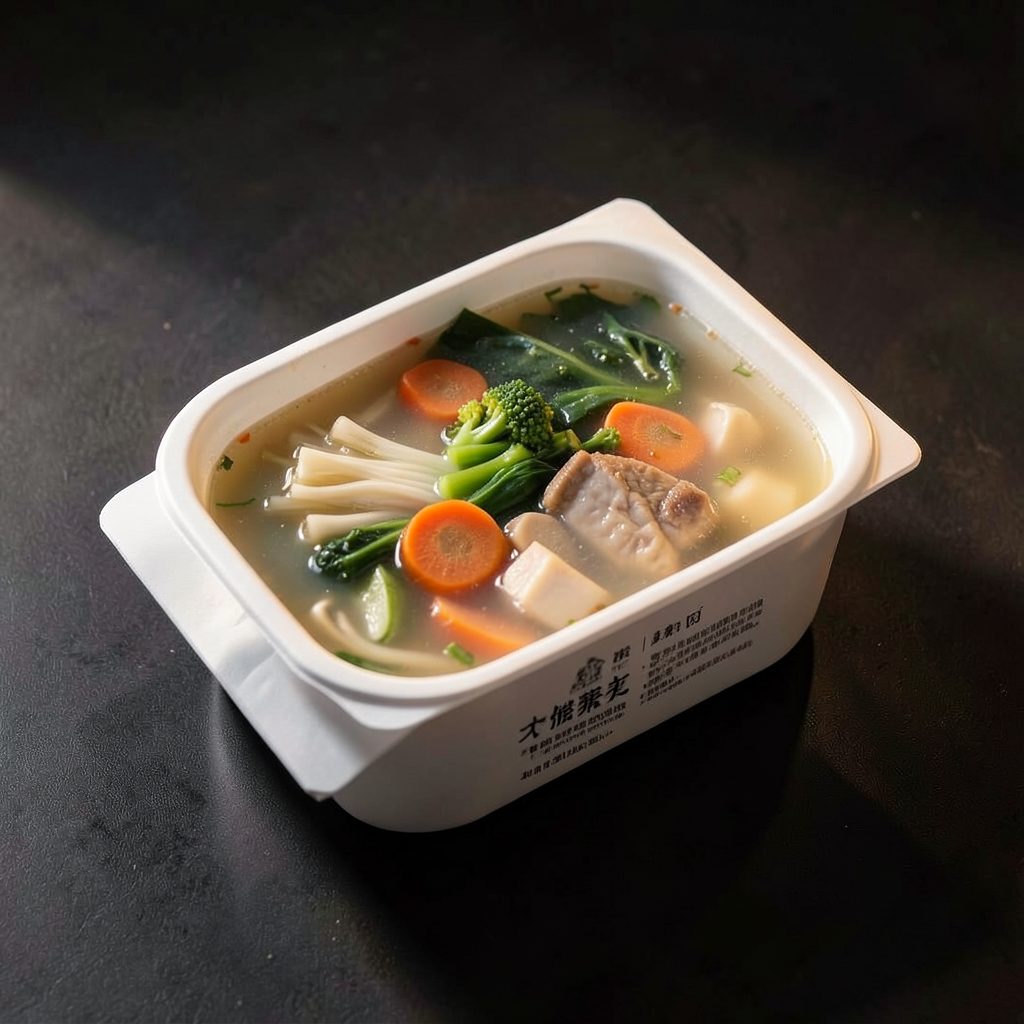
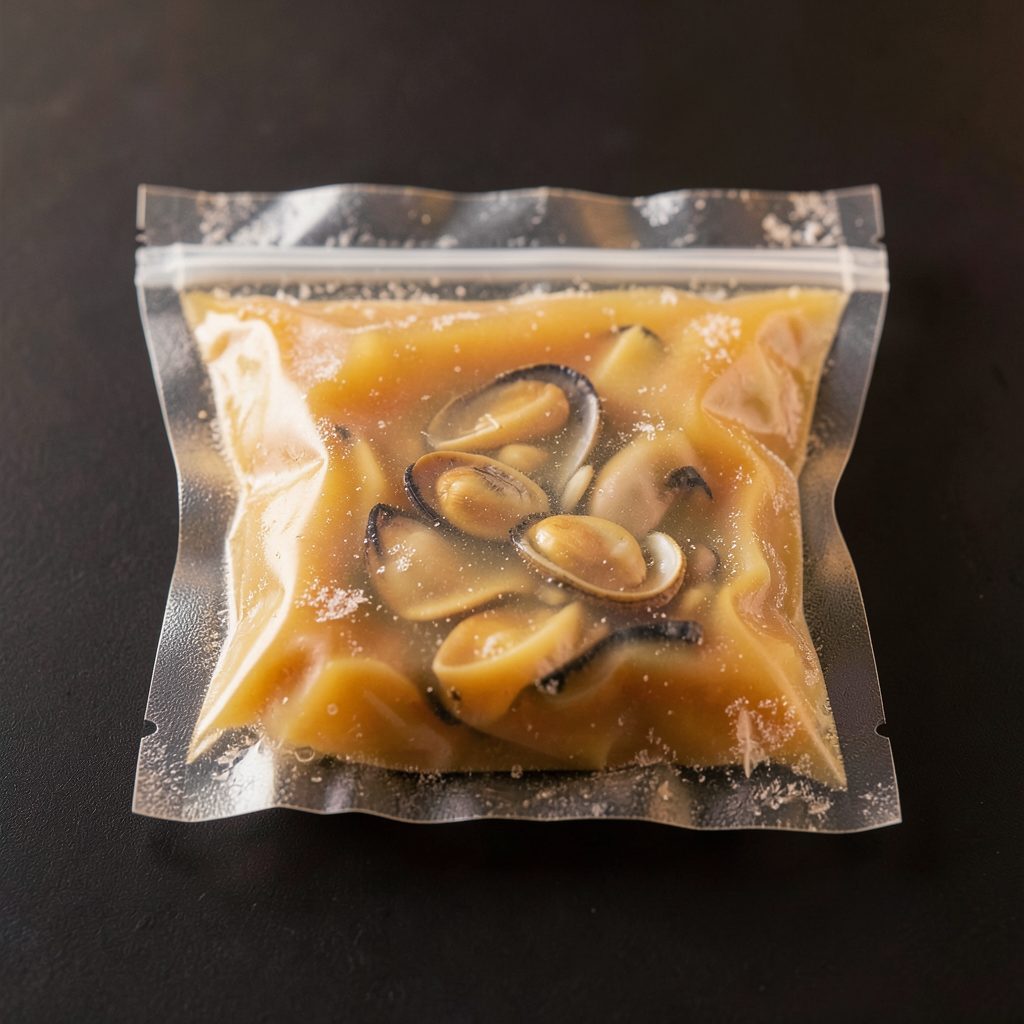
Best Sellers
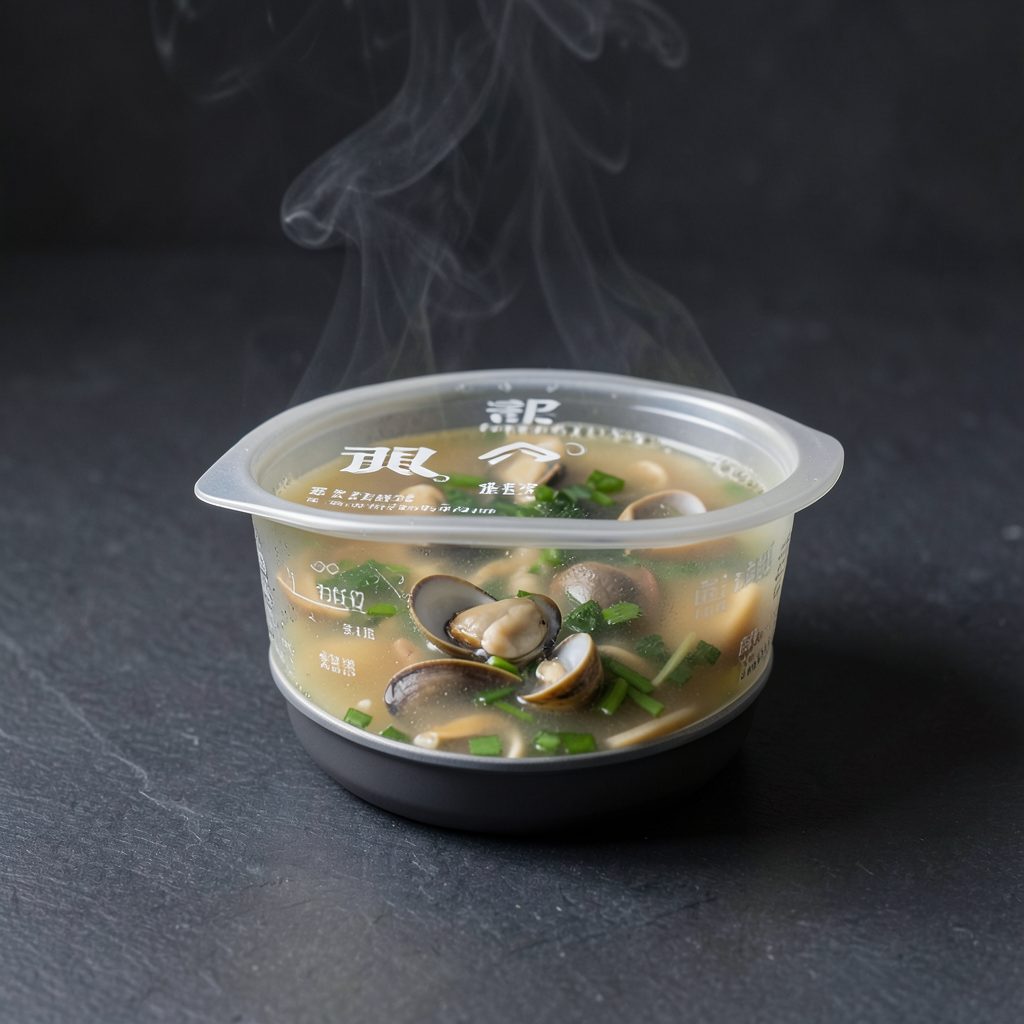
蛤?! Clam Soup Base —卜卜蜆
NT$ —
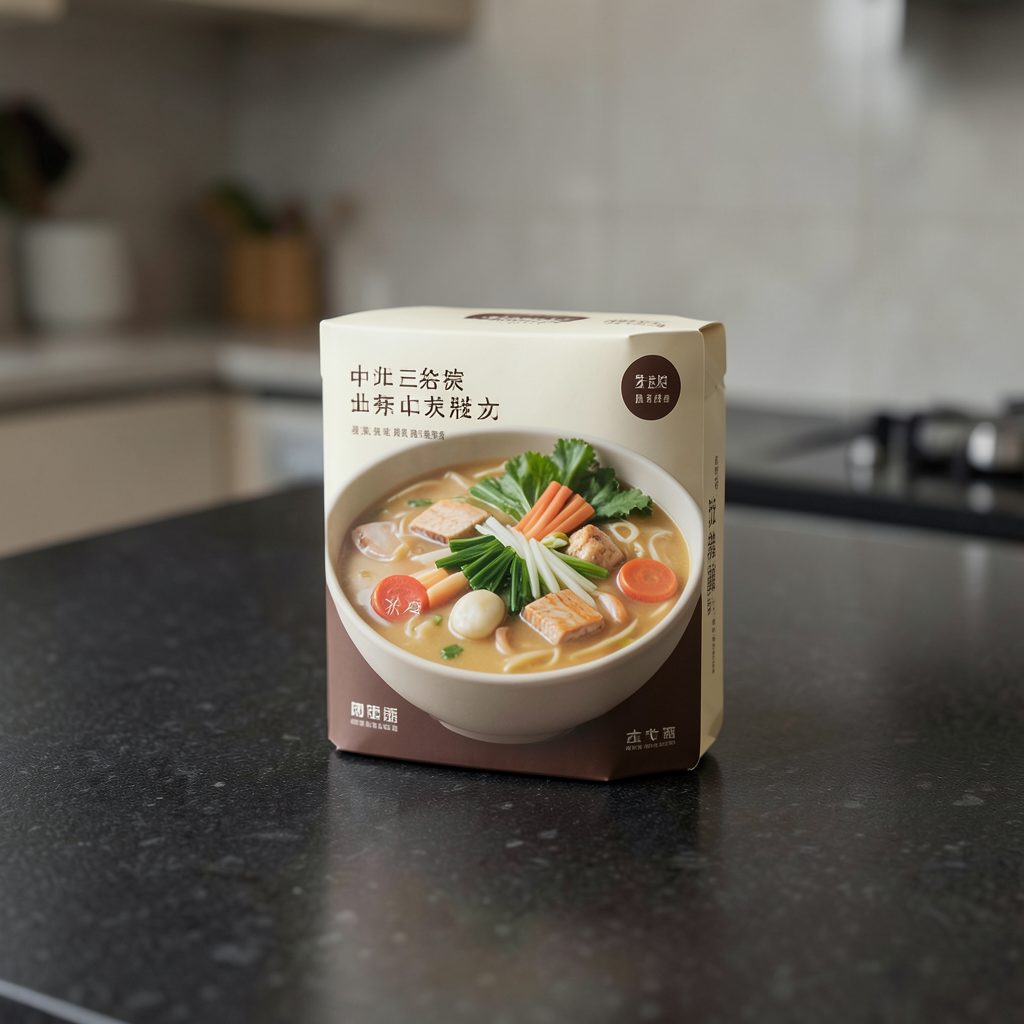
本事滿足鍋物 Personal Pot Base
NT$ —
蛤?! Dry Noodles
NT$ —
Signature Sauce
NT$ —
New Arrivals
蛤?! Golden Clam Broth — New Batch
NT$ —
Radish Cake —蘿蔔糕精神
NT$ —
Duo Soup Base Set
NT$ —
Hot Pot Essentials Bundle
NT$ —
About 蛤?! Huh Pot
蛤?! Huh Pot is a Cantonese-style hot pot brand known for its signature clam-based broth —卜卜蜆 — made with rich old-hen stock and generous portions of fresh clams. The brand also encompasses 本事滿足鍋物, a personal hot pot concept, bringing the same depth of flavor to individual servings.
Through MoneyCome Mart, these restaurant-quality soup bases, dry noodles, radish cakes, and signature sauces are available for home delivery across Taiwan. Restaurant locations in Taipei's Da'an District, Civic Boulevard, and Taichung's Gongyi Road also welcome guests for dine-in, with online reservations available.