A Guide to the Shelf Life of Our Frozen Soup Pouches
A frozen soup pouch is a convenient way to bring Cantonese hot pot flavour to the table without preparing stock from scratch. Our soup bases and clam broths are made for freezer storage, so you can keep a few options ready for a quick family meal, a weekend gathering or a cosy dinner on a cool Melbourne evening.
Shelf life depends on the date printed on the packaging, the temperature of your freezer and how the pouch is handled after purchase. The guidance below explains how to protect flavour and food quality, with practical notes for Australian households using supermarket-style freezers, apartment kitchens and chest freezers.
How frozen soup pouches age
Freezing greatly slows the activity of microorganisms, but it does not stop quality changes completely. Over time, the soup may lose some aroma, colour or richness, especially if the pouch is exposed to air or stored in a freezer that fluctuates in temperature. Freezer burn can create dry, pale patches on the surface, although it does not automatically mean the product is unsafe.
The best-before date is the main guide for quality while the pouch remains unopened and properly frozen. Keep the product in its original sealed packaging and follow the storage instructions printed on the label. If the pouch has passed its date, has thawed and refrozen, or looks damaged, assess it carefully rather than relying on its appearance alone.
Reading dates and packaging information
Australian shoppers will recognise the difference between a best-before date and a use-by date. A best-before date generally relates to peak quality, while a use-by date is linked to food safety and should be followed strictly. The information on the individual pouch takes priority over general storage estimates because recipes, packaging and production batches can vary.
Check the pouch when it arrives. A swollen pack, split seam, leaking liquid or unusual odour after thawing is a reason to discard it. For orders travelling through a cold-chain network, review the store’s delivery information so you know when to receive the parcel and move frozen items into your freezer.
Keeping pouches properly frozen
Set the freezer to -18°C or colder where possible, and avoid storing soup pouches in the door. Door shelves experience more temperature movement, particularly in busy households where the freezer is opened often. A dedicated drawer or the back of the main compartment usually offers steadier conditions.
In Sydney or Brisbane summer, frozen groceries can soften quickly during a hot trip home. Take an insulated bag when collecting food and unpack it promptly. If a pouch is still solid or contains ice crystals, return it to the freezer. If it has fully thawed, keep it chilled and use it promptly only when the label or food-safety advice permits; do not refreeze it raw.
Thawing and cooking safely
Thaw a pouch in the refrigerator, preferably overnight, and place it in a container in case of leakage. You can also follow the cooking instructions for heating from frozen if that method is provided. Avoid leaving soup on the kitchen bench for several hours, even during a mild winter in Adelaide or Perth.
Heat the broth until it is steaming hot throughout, then add other ingredients according to their cooking times. Once the soup is prepared, serve it promptly and refrigerate leftovers within two hours. Under Australia’s familiar two-hour/four-hour food-safety guideline, food kept between 5°C and 60°C for less than two hours may generally be refrigerated, while food held in that range for longer should be handled more cautiously or discarded.
Smart storage habits for busy households
A little organisation helps preserve both safety and flavour. Write the date you placed a pouch in the freezer if the printed information is difficult to read, and arrange older packs at the front. This is useful in compact apartment freezers in central Sydney or when several soup bases are purchased for Lunar New Year gatherings.
Australia’s food rules are supported by the Food Standards Code, but household handling still matters after delivery. Keep raw seafood, meat and vegetables separate from ready-to-eat foods, wash reusable insulated bags and clean any spill from the freezer immediately.
- Check the printed storage instructions before putting the pouch away.
- Keep the freezer at approximately -18°C or colder.
- Store pouches flat or upright without crushing the seals.
- Move frozen orders indoors as soon as they arrive.
- Thaw in the refrigerator rather than on the benchtop.
- Discard packs with broken seals, swelling or an unusual smell.
- Label opened or prepared soup with the date and refrigerate leftovers promptly.
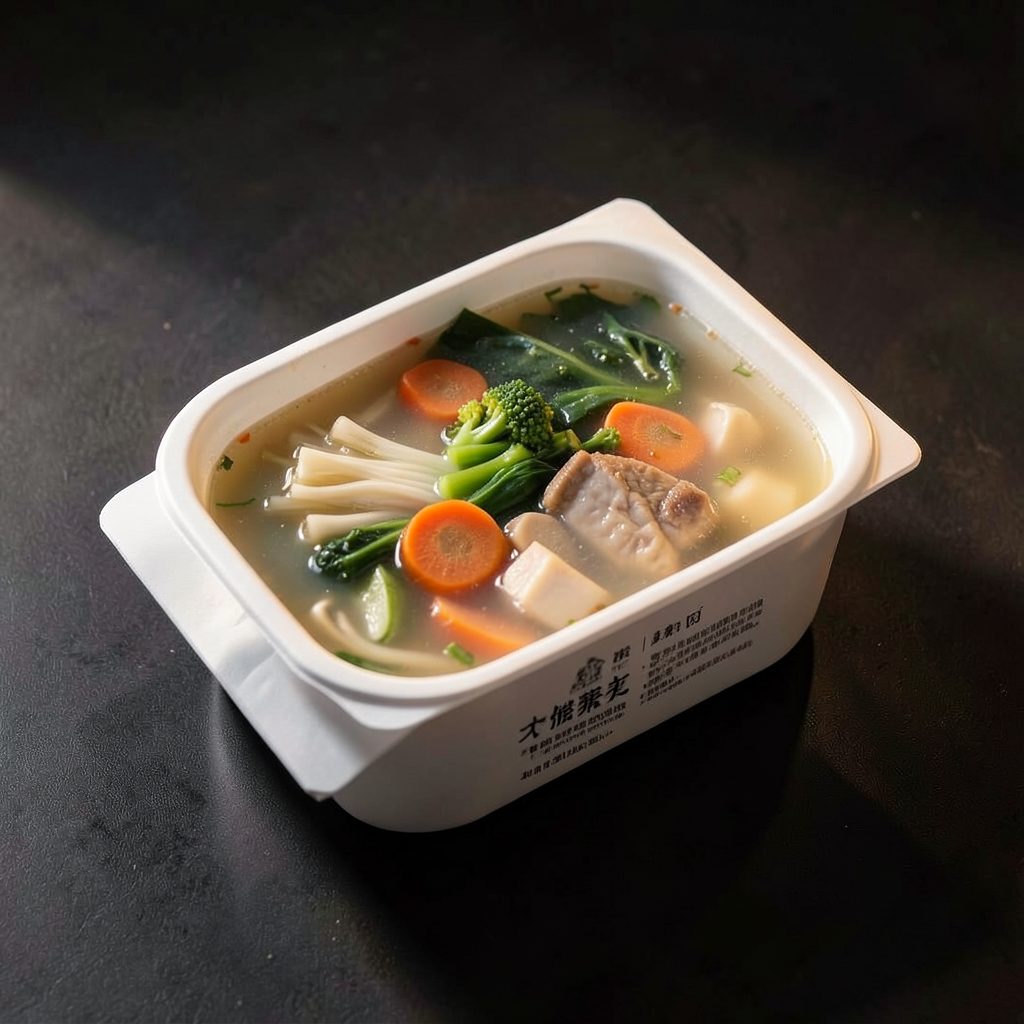
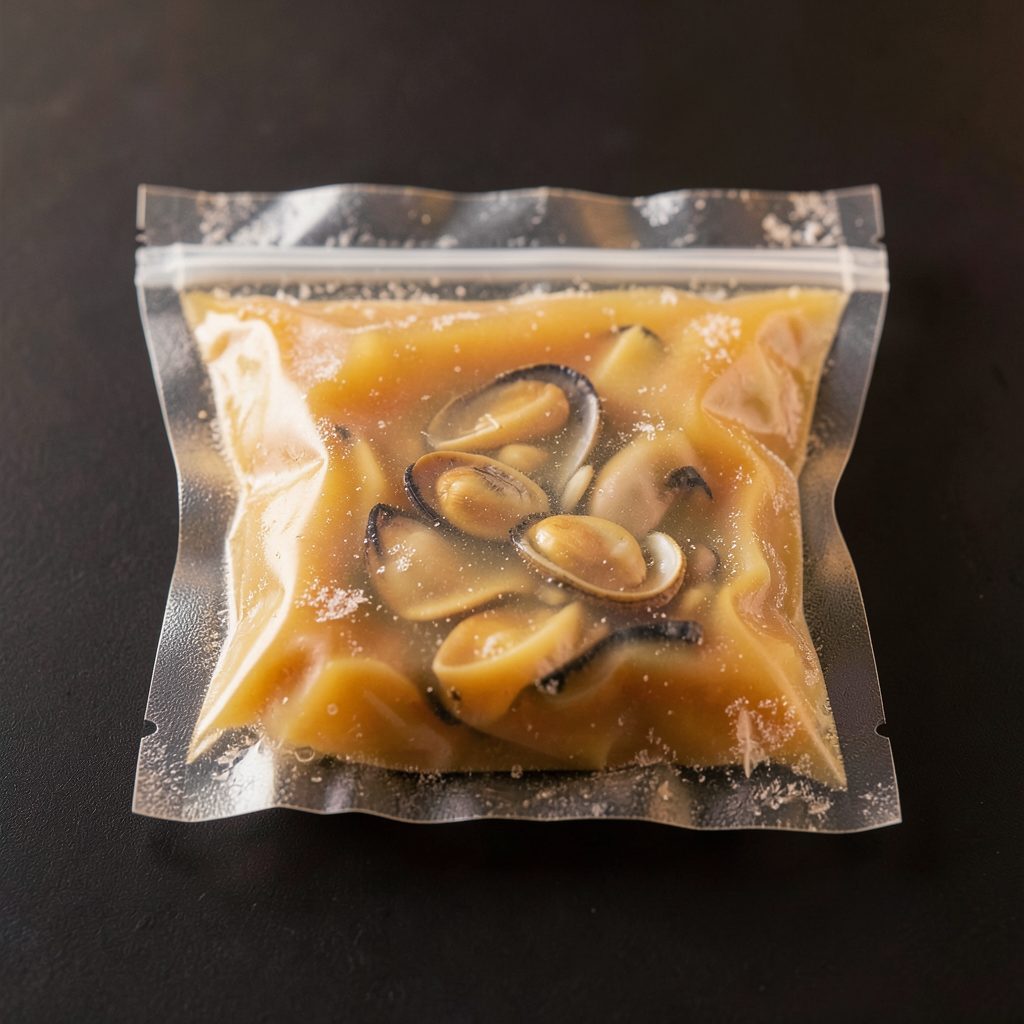
Best Sellers
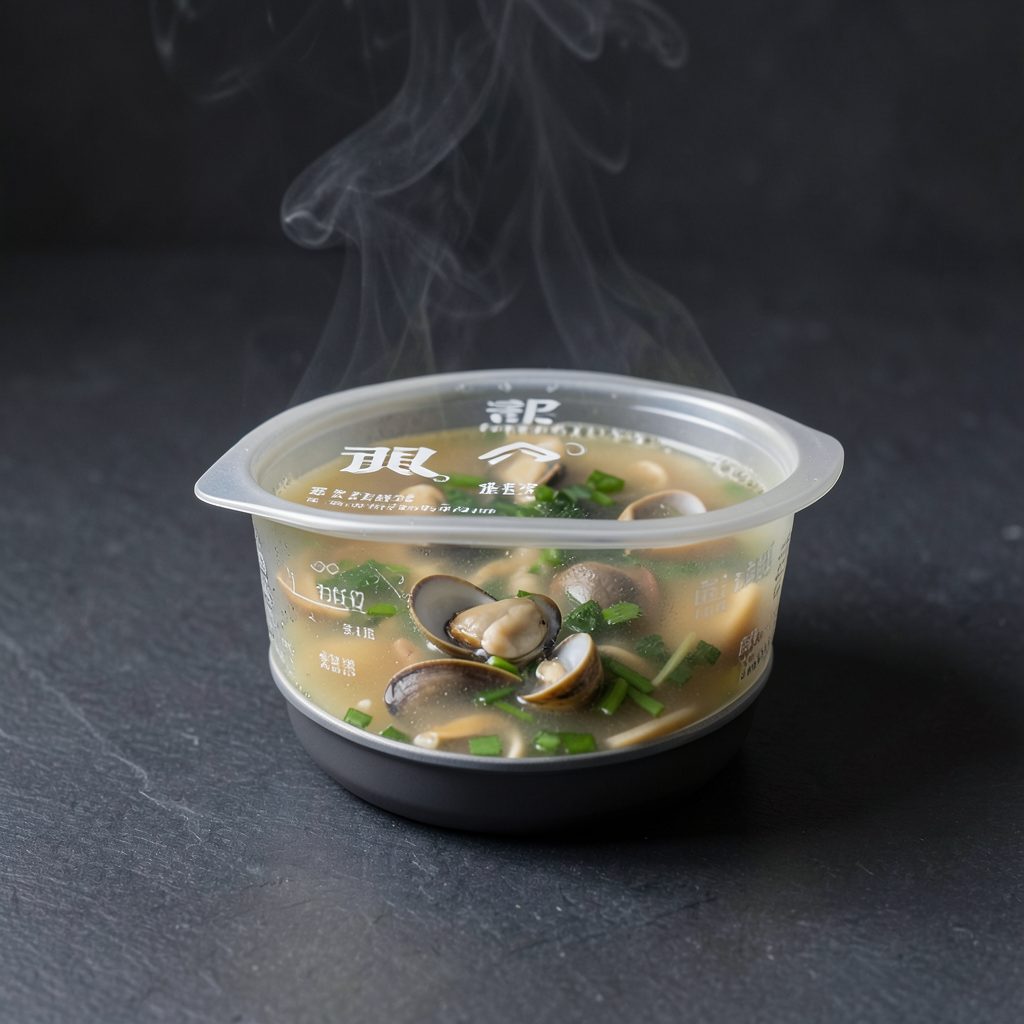
蛤?! Clam Soup Base —卜卜蜆
NT$ —
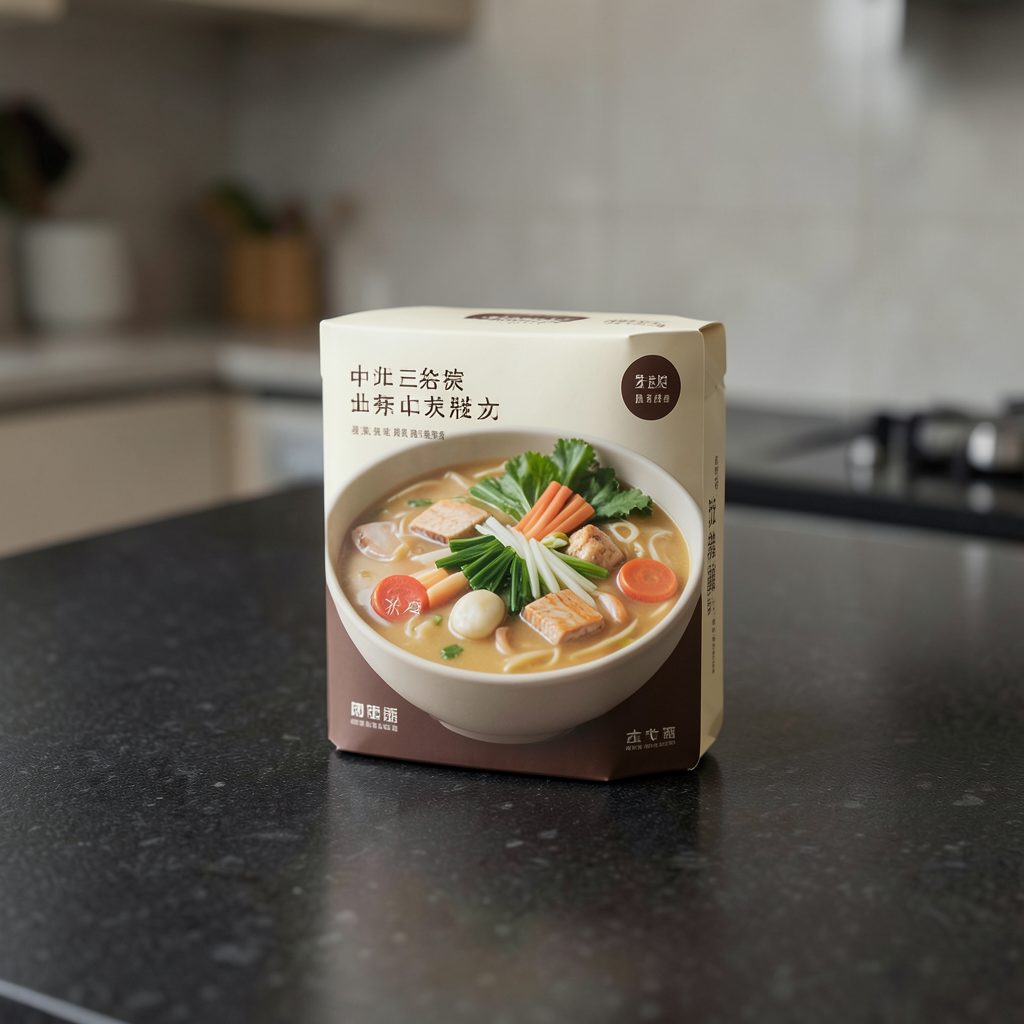
本事滿足鍋物 Personal Pot Base
NT$ —
蛤?! Dry Noodles
NT$ —
Signature Sauce
NT$ —
New Arrivals
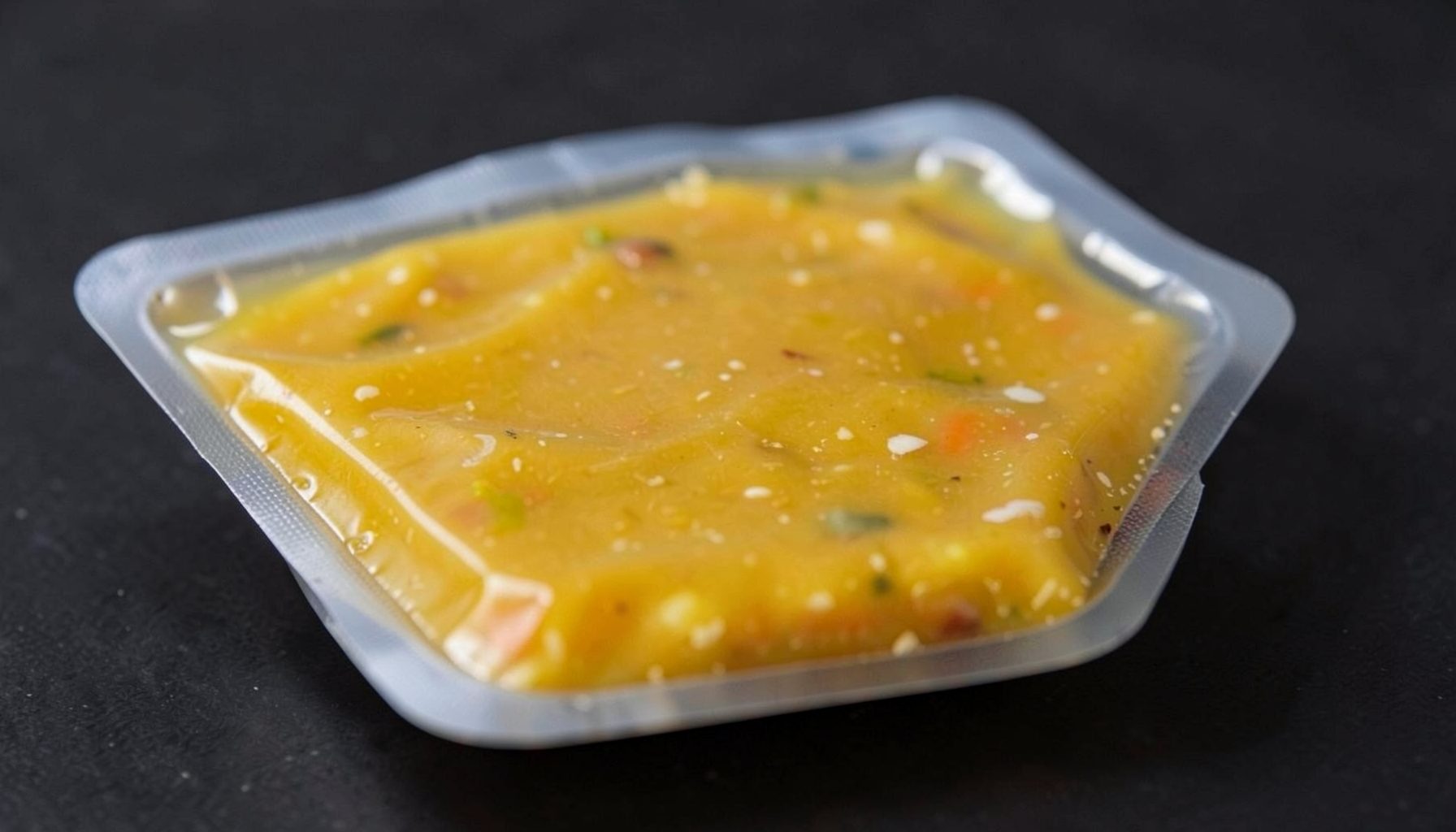
蛤?! Golden Clam Broth — New Batch
NT$ —
Radish Cake —蘿蔔糕精神
NT$ —
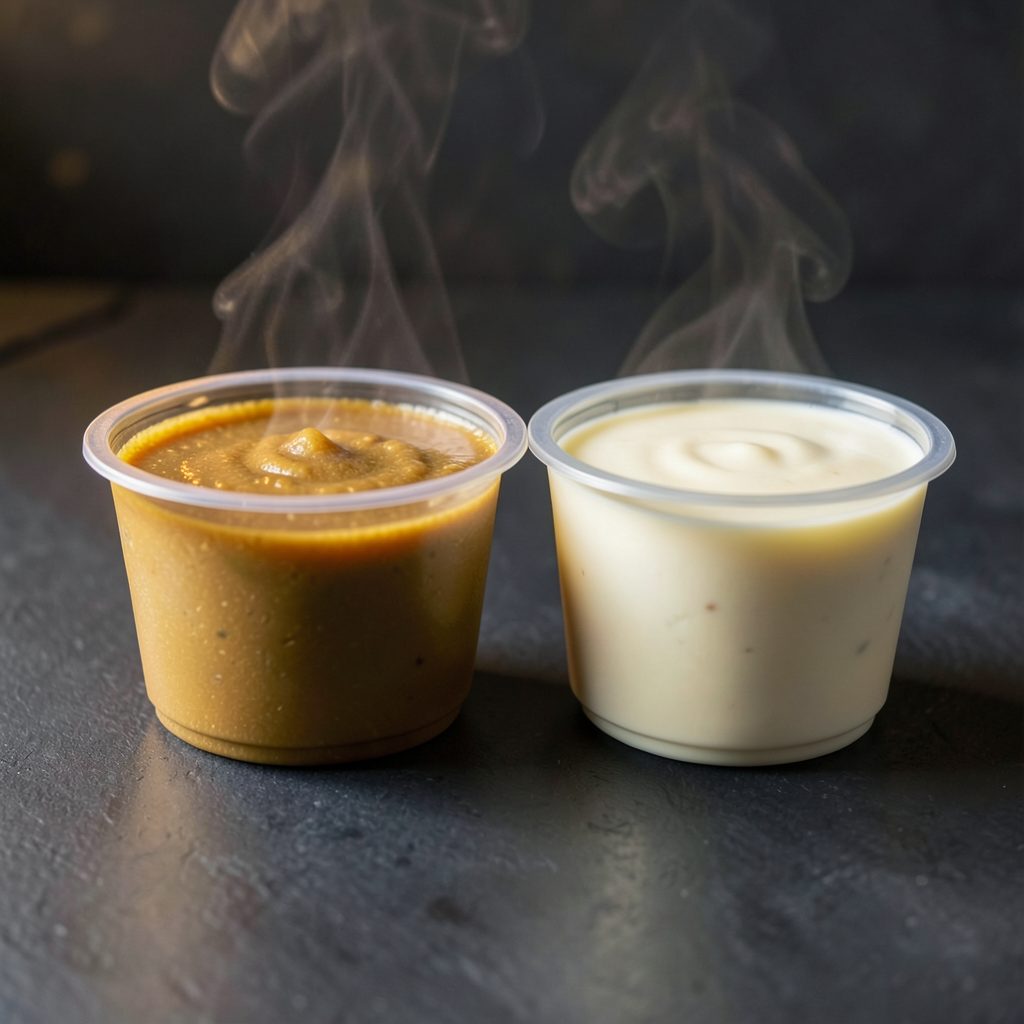
Duo Soup Base Set
NT$ —
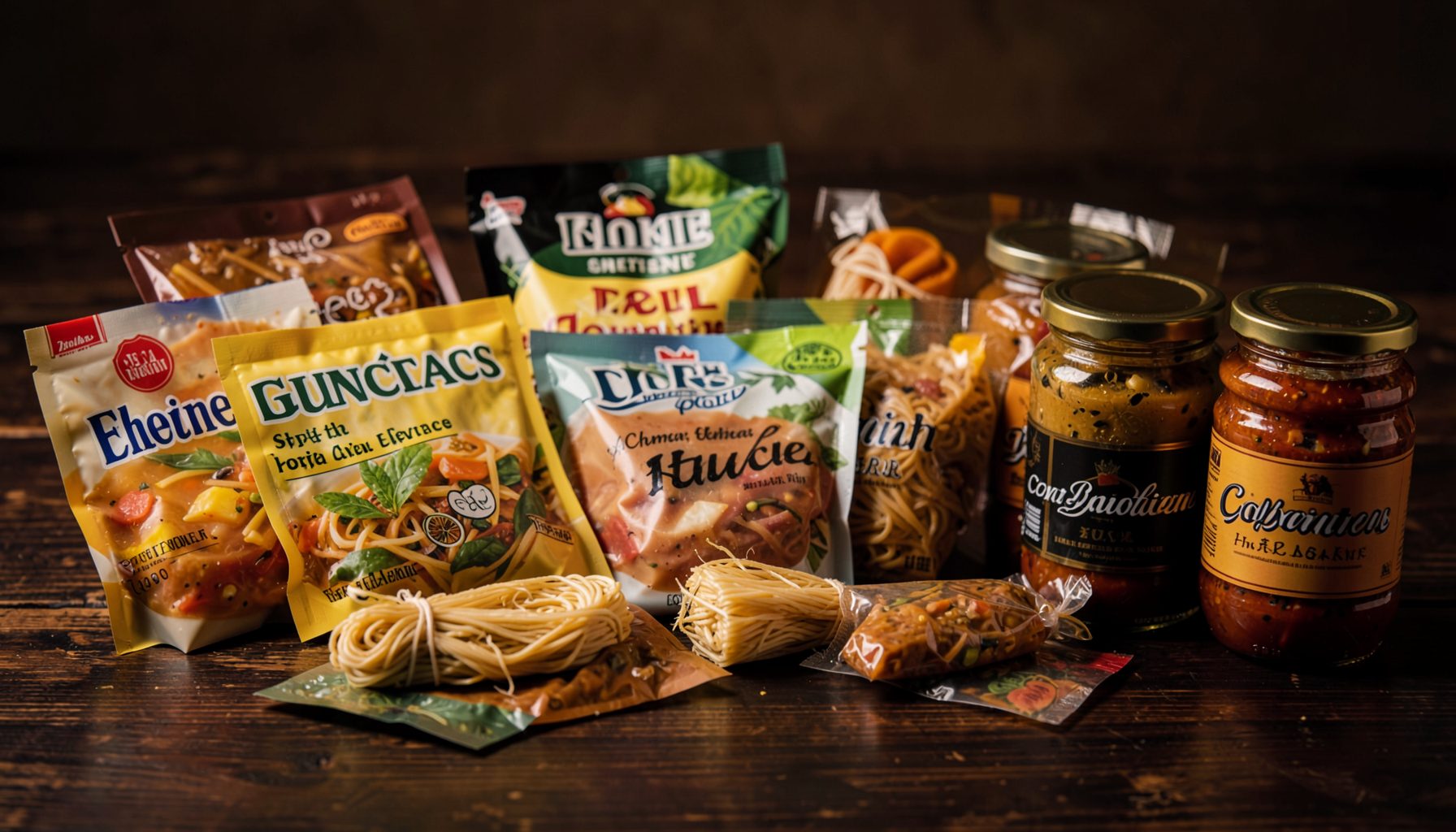
Hot Pot Essentials Bundle
NT$ —
About 蛤?! Huh Pot
蛤?! Huh Pot is a Cantonese-style hot pot brand known for its signature clam-based broth —卜卜蜆 — made with rich old-hen stock and generous portions of fresh clams. The brand also encompasses 本事滿足鍋物, a personal hot pot concept, bringing the same depth of flavor to individual servings.
Through MoneyCome Mart, these restaurant-quality soup bases, dry noodles, radish cakes, and signature sauces are available for home delivery across Taiwan. Restaurant locations in Taipei's Da'an District, Civic Boulevard, and Taichung's Gongyi Road also welcome guests for dine-in, with online reservations available.