Finding Your Ideal Spice Level for Hot Pot at Home
Spice can shape an entire hot pot meal. A gentle broth lets delicate seafood and vegetables stand out, while a bolder base adds warmth, fragrance, and a lingering kick to every bite. Choosing the right heat level helps everyone at the table enjoy the same pot.
MoneyCome Mart brings Cantonese hot pot ingredients to homes across Taiwan, including frozen soup bases, clam broths, sauces, noodles, and prepared favorites. With cold-chain delivery and convenient preparation, it is easy to create a restaurant-style meal without building a broth from scratch.
The best choice depends on your tolerance, the ingredients you plan to cook, and how long the soup will simmer. This guide explains how to read spice descriptions and balance heat for a satisfying home hot pot experience.
What Spice Levels Really Mean
A mild soup base usually provides aroma and savory depth without a strong burn. It suits diners who prefer a clean broth, families with mixed preferences, and ingredients such as seafood, tofu, mushrooms, and leafy greens. A clam-based broth may also be a good starting point when you want natural seafood flavor with gentle seasoning.
Medium spice brings noticeable warmth while keeping the broth versatile. It pairs well with sliced meats, fish balls, dumplings, and noodles because the heat remains present without overwhelming the other flavors. This level is often the most flexible choice for a shared meal.
Hot or extra-spicy bases create a more intense experience, with chili heat that may build as the soup cooks. Some broths can also include aromatic peppercorns or other spices that create a tingling, numbing sensation. These flavors are ideal for diners who enjoy a more dramatic bowl and robust ingredients.
How to Choose Heat for Your Group
Start with the least spice-tolerant person at the table. A broth that feels pleasantly fiery to one diner may be too strong for another, especially when the meal lasts for an hour and the soup becomes more concentrated. When preferences vary, a mild or medium base offers a comfortable shared foundation.
You can increase heat more easily than you can remove it. Serve chili oil, sliced fresh chili, spicy dipping sauce, or pepper-based condiments on the side. This lets each person customize their bowl while preserving the original character of the soup.
The ingredients also influence the final impression. Fatty meats can soften the perception of chili, while leafy vegetables and tofu absorb broth and carry its flavor. Seafood, mushrooms, and noodles may taste more pronounced in a lighter soup, making a mild base a smart choice for delicate menus.
A Practical Spice Guide
The descriptions below provide a useful starting point when comparing soup bases. Individual tolerance varies, and the same level can feel different depending on serving size, cooking time, and the condiments added at the table.
| Spice level | Flavor profile | Best for | Ways to balance it |
|---|---|---|---|
| Mild | Savory, aromatic, little or no chili burn | Families, seafood, vegetables, first-time diners | Add chili oil or spicy dipping sauce individually |
| Medium | Noticeable warmth with balanced seasoning | Mixed groups, meats, dumplings, noodles | Add plain broth or extra vegetables if needed |
| Hot | Strong chili presence and lasting heat | Experienced spice lovers, rich meats, bold flavors | Serve with tofu, greens, rice, or a cooling dip |
| Extra hot or numbing | Intense heat with possible tingling pepper notes | Diners seeking a highly seasoned experience | Keep a mild side broth and plenty of drinks available |
Use the guide as a flavor-matching tool rather than a strict rule. A medium broth can feel hot when reduced over a long cook, while a rich soup with dairy-free creamy ingredients may seem softer than its chili aroma suggests.
Pairing Ingredients With Heat
Mild soup bases work beautifully with clams, fish slices, cabbage, tofu, enoki mushrooms, and other ingredients with subtle flavors. Their lighter profile also makes dipping sauces easier to notice. Add noodles near the end so they absorb the broth without becoming overly soft.
Medium spice has enough character for beef, pork, chicken, fish balls, fried tofu, and turnip cakes. The broth can stand up to savory prepared foods while still leaving room for vegetables and seafood. This is a dependable option for a varied Cantonese hot pot spread.
Hot bases benefit from ingredients that provide texture and balance. Napa cabbage, winter melon, tofu, bean curd, and noodles can mellow the eating experience by absorbing seasoned broth. If you enjoy a strong chili flavor, combine the soup with dumplings, thin-sliced beef, or other hearty ingredients that will not disappear under the spice.
Making Spice Work for a Shared Meal
A divided pot is useful when diners have very different preferences. Keep a mild broth in one section and a spicier base in the other, then use separate ladles to prevent flavors from blending too quickly. If a divided pot is unavailable, begin with a mild base and build individual bowls with sauces and chili condiments.
For a single broth, add the spiciest ingredients gradually. Chili oil, chili flakes, and spicy sauces can intensify as they circulate through the soup, so taste between additions. This approach is especially helpful when children, older family members, or guests unfamiliar with hot pot spice are sharing the meal.
The restaurant inspiration behind these flavors can be explored through Huh Pot, where the brand’s hot pot style offers context for building a Cantonese-inspired meal at home. Use that flavor profile as a guide, then adjust the final bowl to suit your household.
Tips for Serving Soup Bases
Keep frozen soup bases chilled according to the product instructions and thaw them safely before heating when required. Cold-chain handling helps preserve quality from delivery to preparation. Once the broth is simmering, add ingredients in stages so the soup remains balanced rather than becoming crowded and cloudy.
Taste the broth at the beginning, middle, and end of the meal. Vegetables release sweetness, meats add richness, and noodles absorb seasoning, so the flavor changes naturally. Add water or plain stock if the soup becomes too concentrated, and adjust spice with condiments instead of adding large amounts at once.
Easy Ways to Match the Heat
- Choose mild broth for delicate seafood, family meals, and varied preferences.
- Select medium spice when you want warmth that works with meats, dumplings, and noodles.
- Reserve hot or numbing bases for diners who already enjoy strong chili flavors.
- Keep cooling ingredients such as tofu, cabbage, winter melon, and noodles available.
- Serve chili oil and dipping sauces separately so each guest controls their own heat.
Browse the soup base selection at MoneyCome Mart and build a meal around the spice level that fits your table. Add sauces, noodles, turnip cakes, seafood, and other prepared ingredients for a convenient home hot pot delivered across Taiwan. Choose your broth, prepare the pot, and make every bowl as mild or fiery as you like.
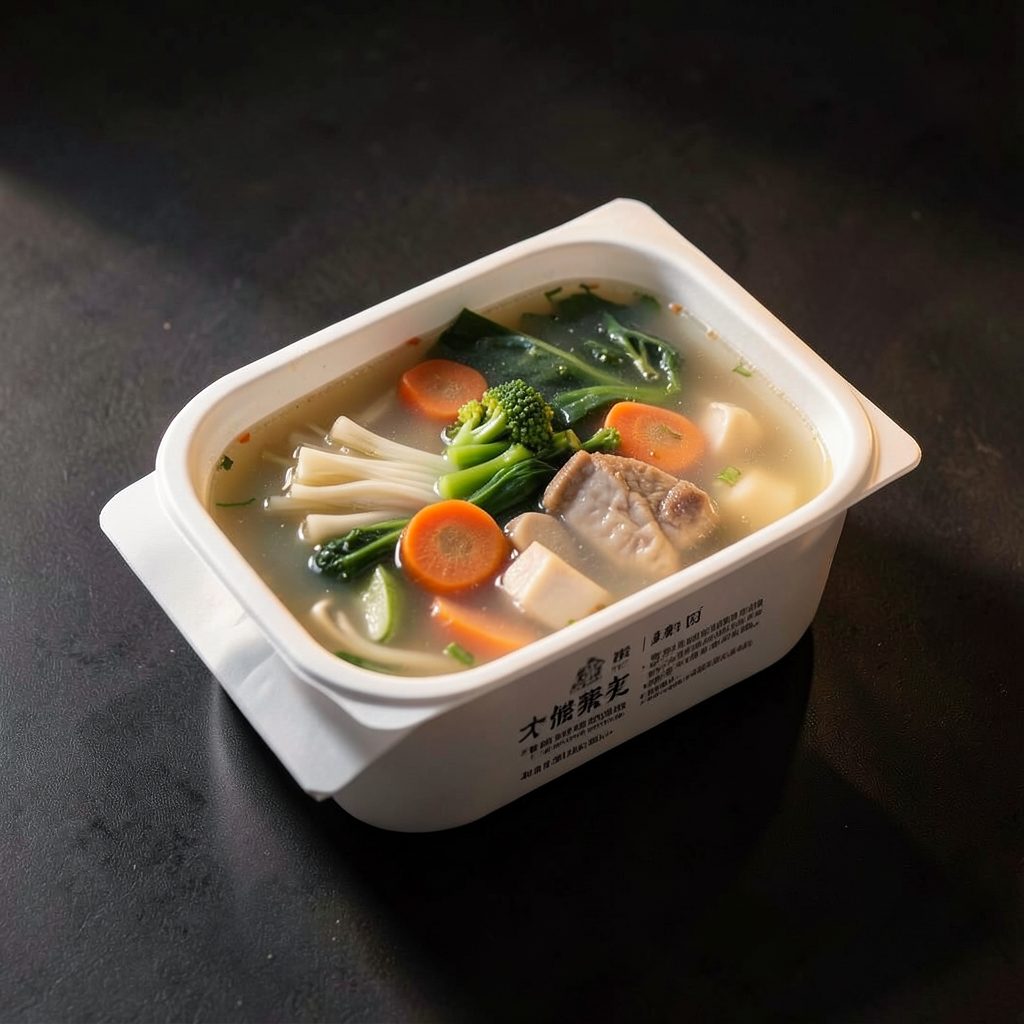
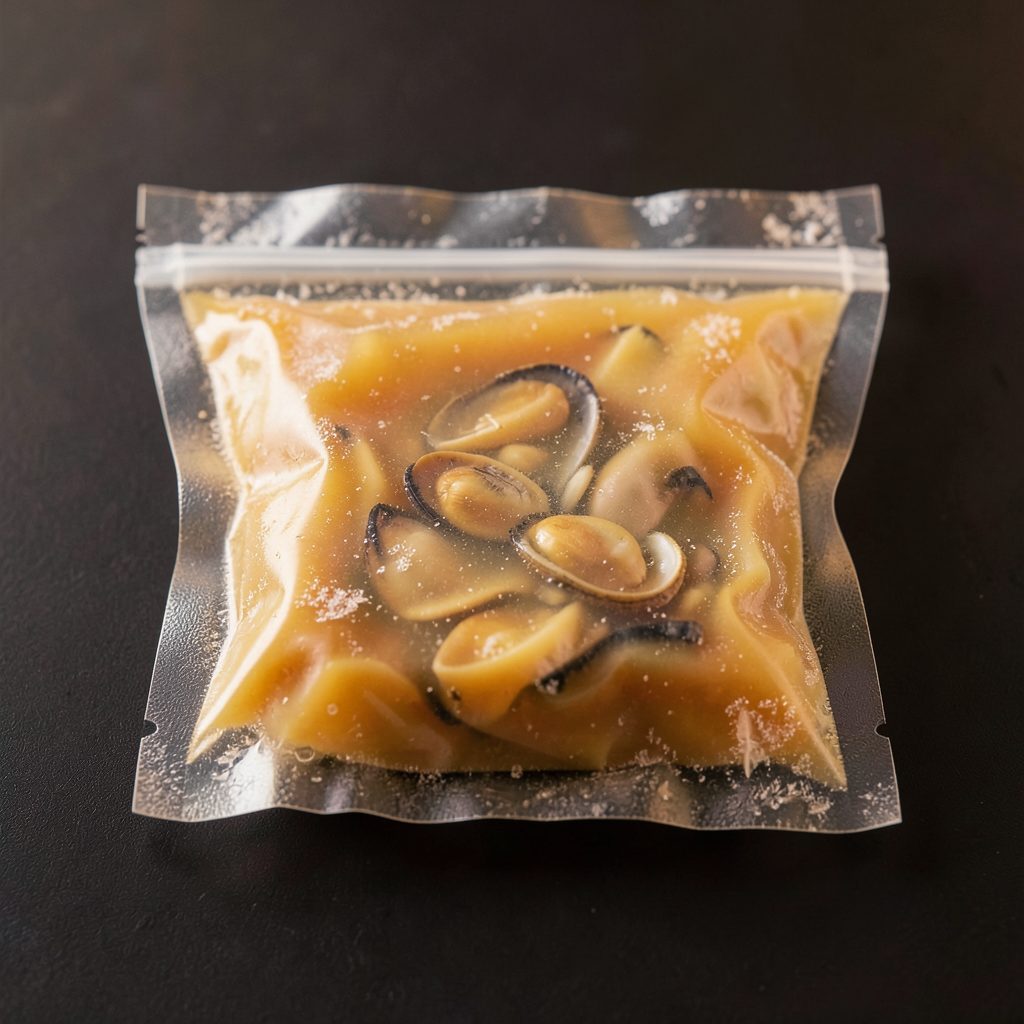
Best Sellers
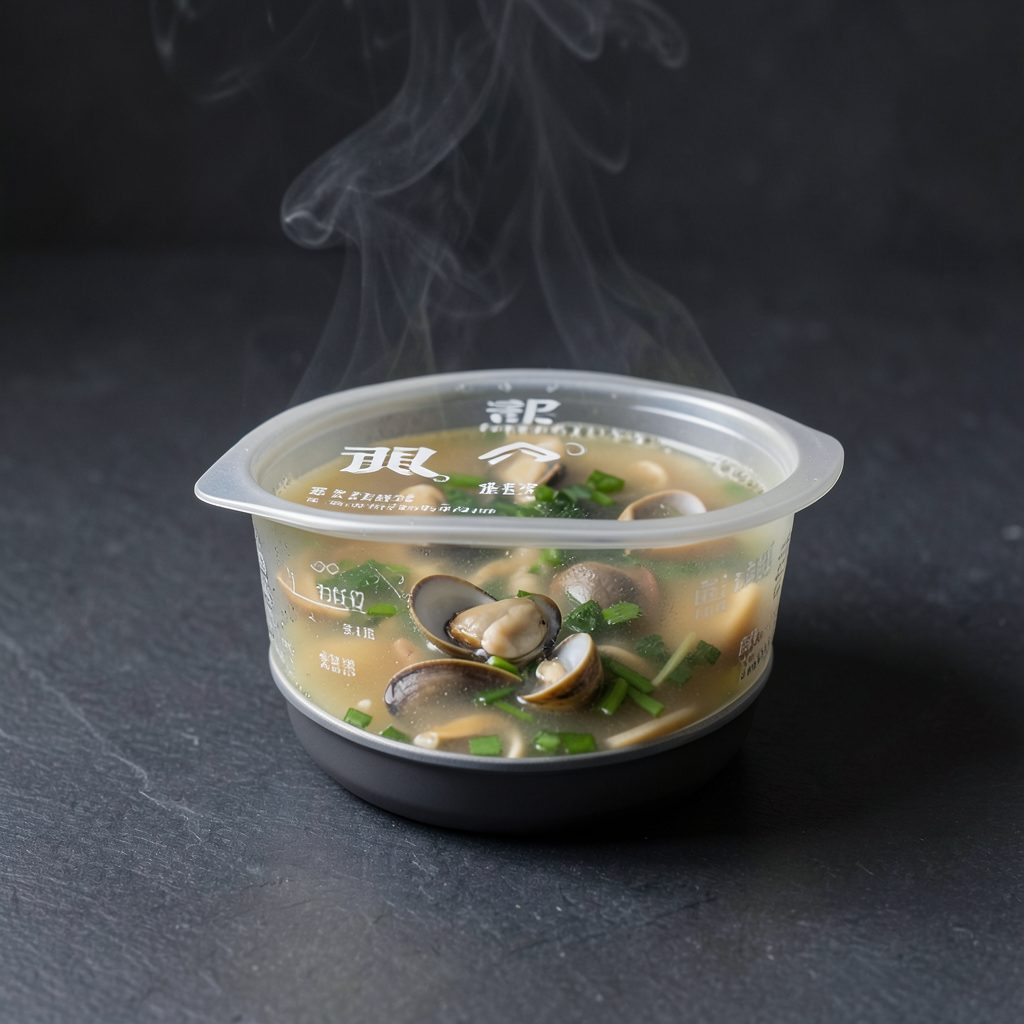
蛤?! Clam Soup Base —卜卜蜆
NT$ —
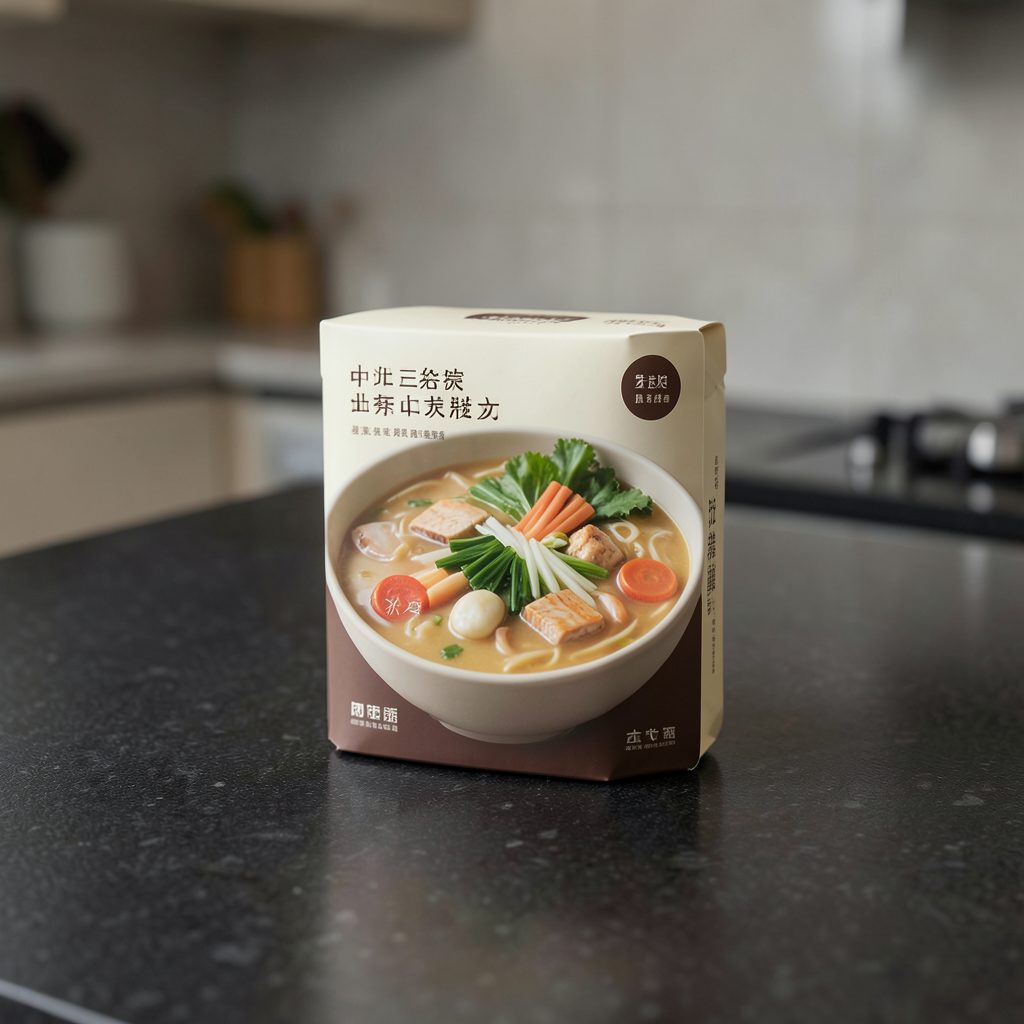
本事滿足鍋物 Personal Pot Base
NT$ —
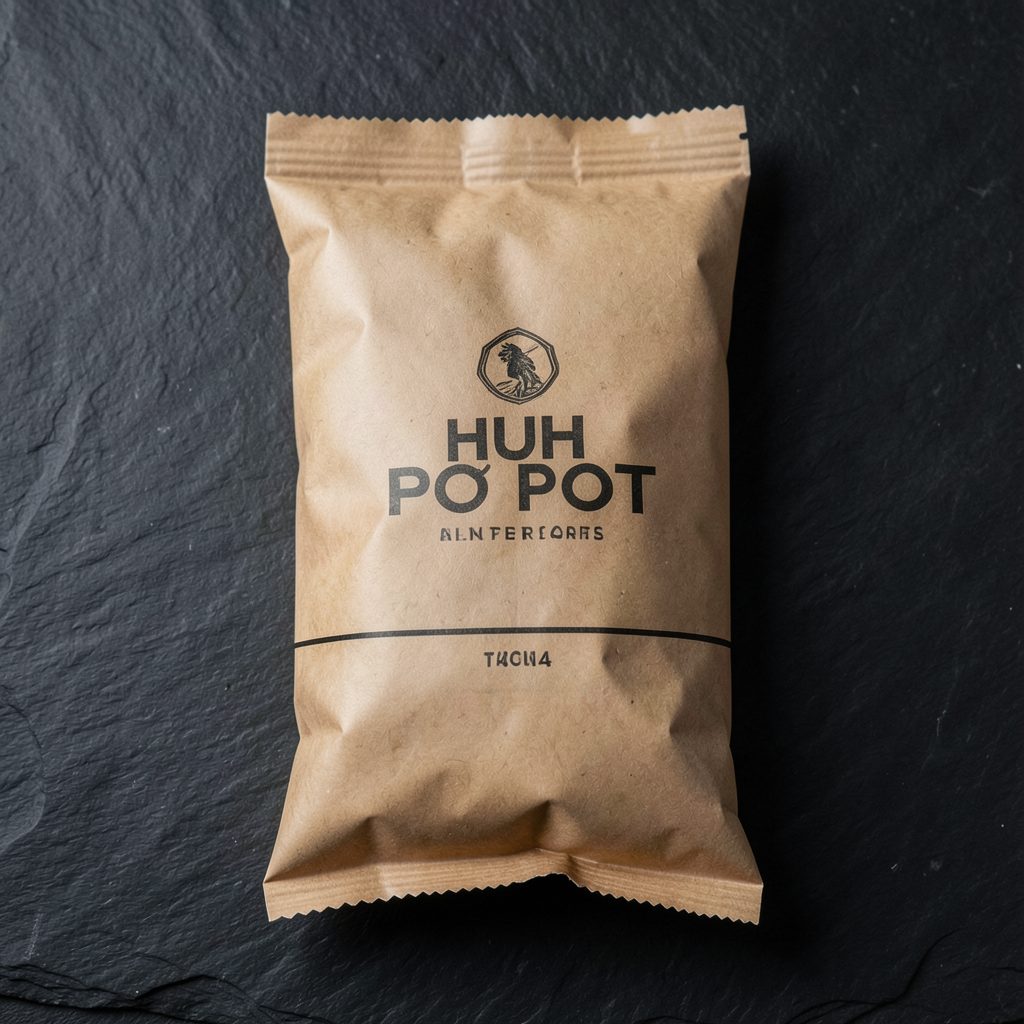
蛤?! Dry Noodles
NT$ —
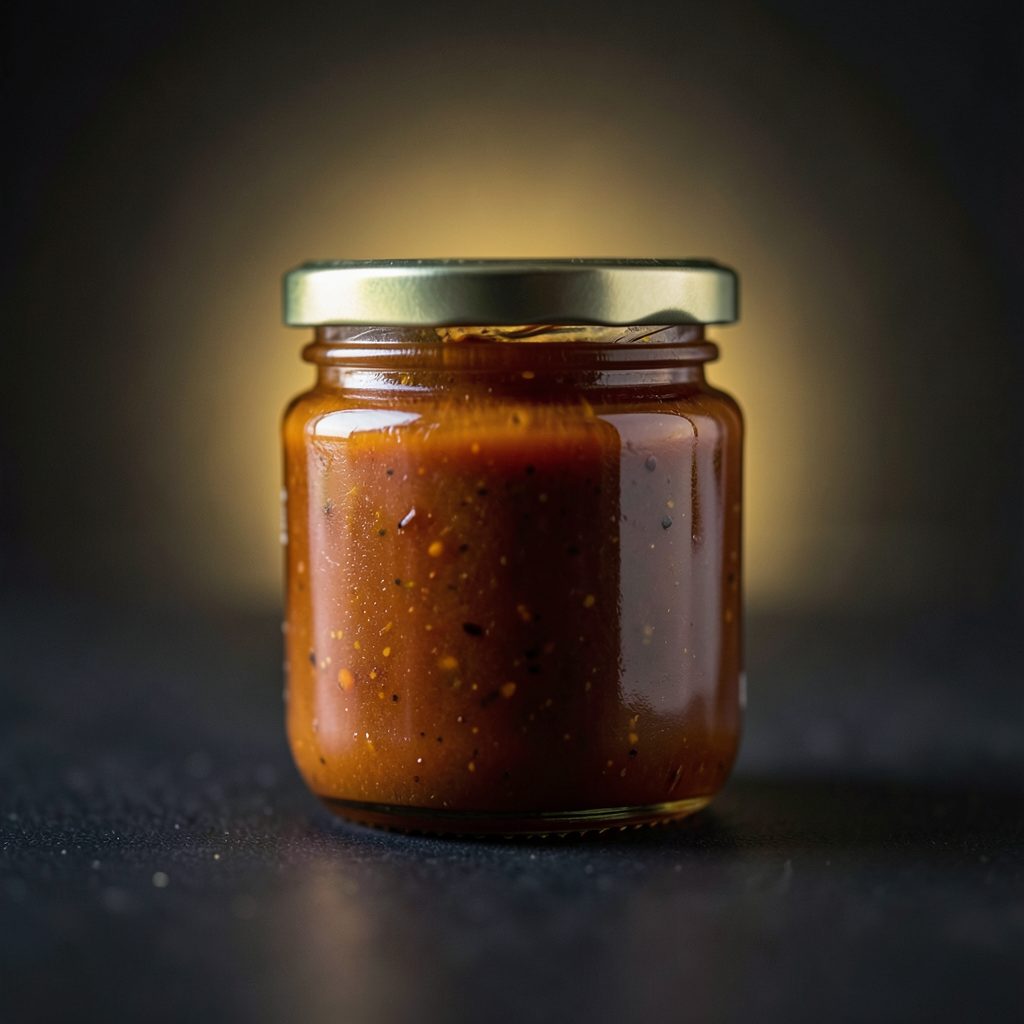
Signature Sauce
NT$ —
New Arrivals
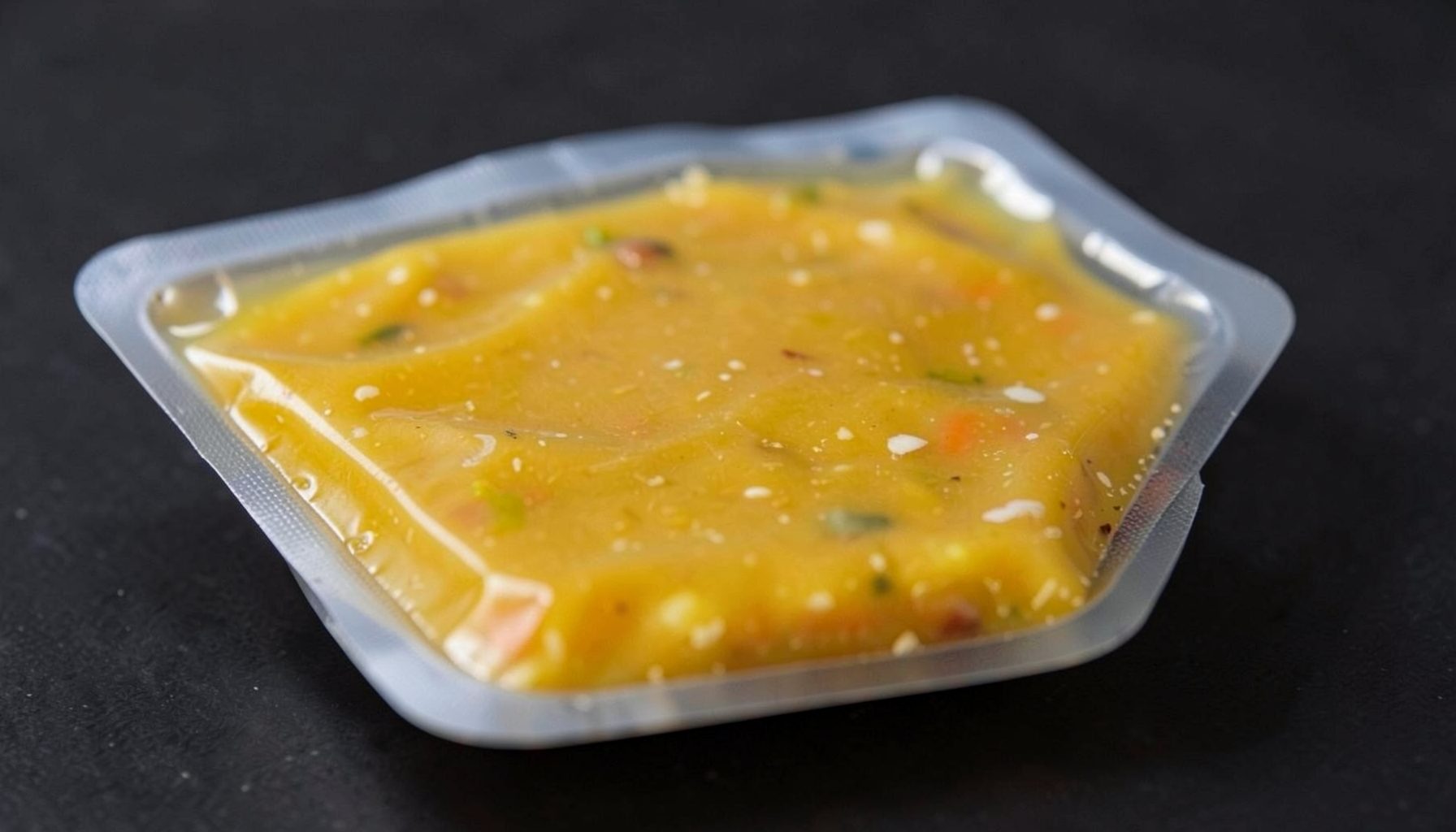
蛤?! Golden Clam Broth — New Batch
NT$ —
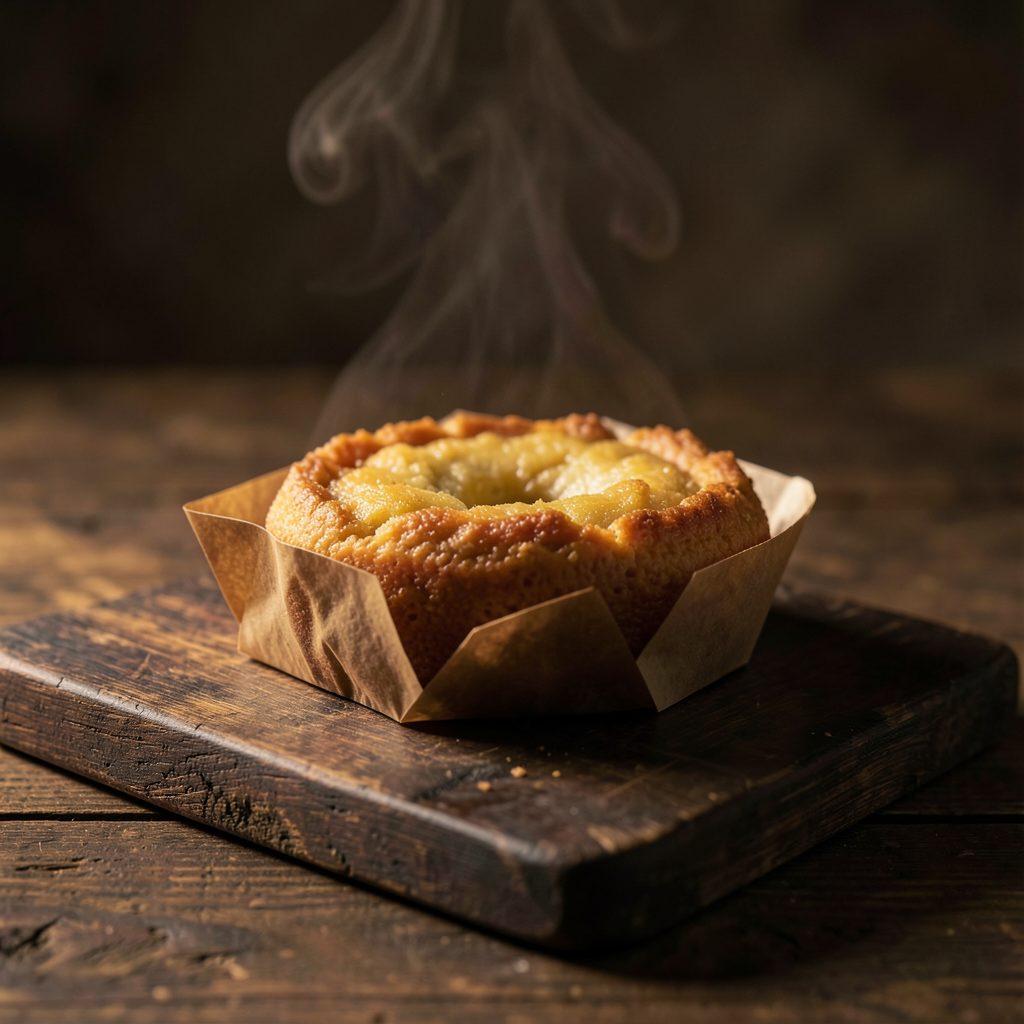
Radish Cake —蘿蔔糕精神
NT$ —
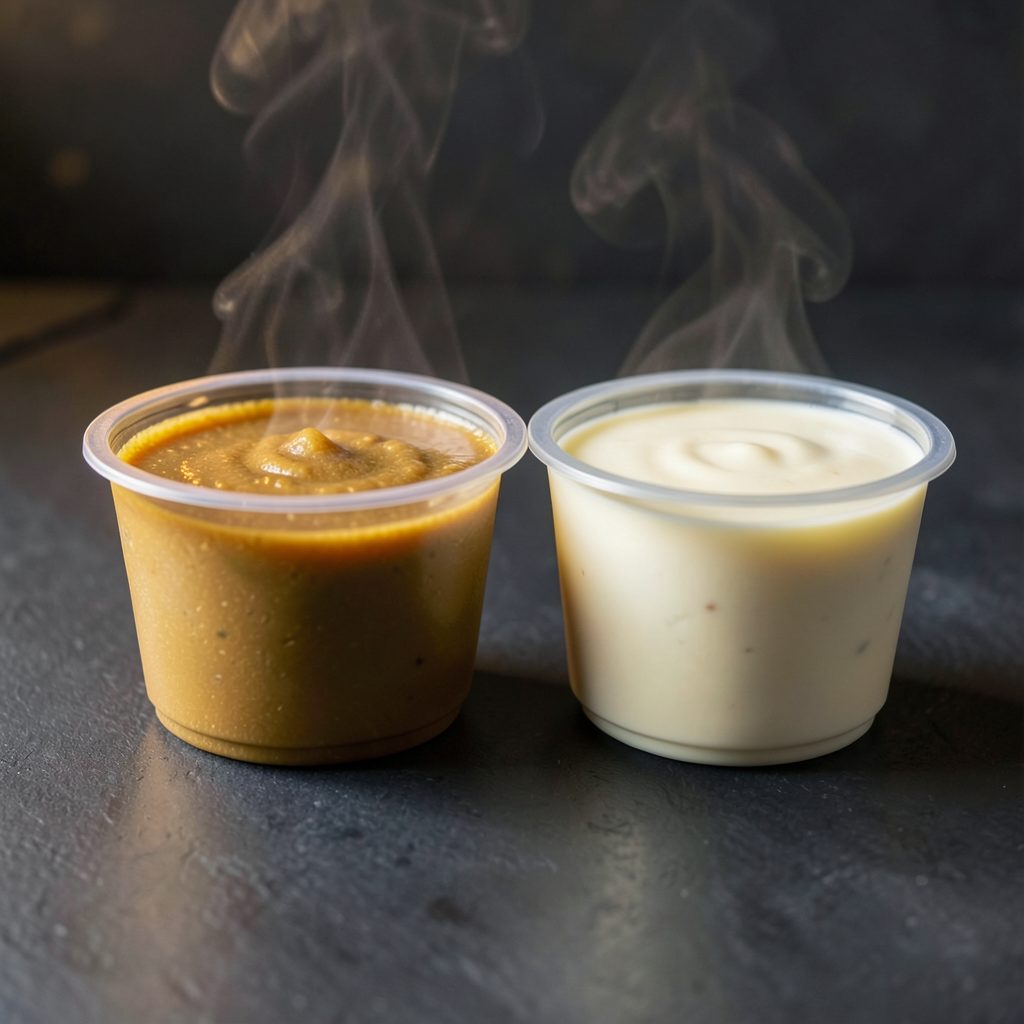
Duo Soup Base Set
NT$ —
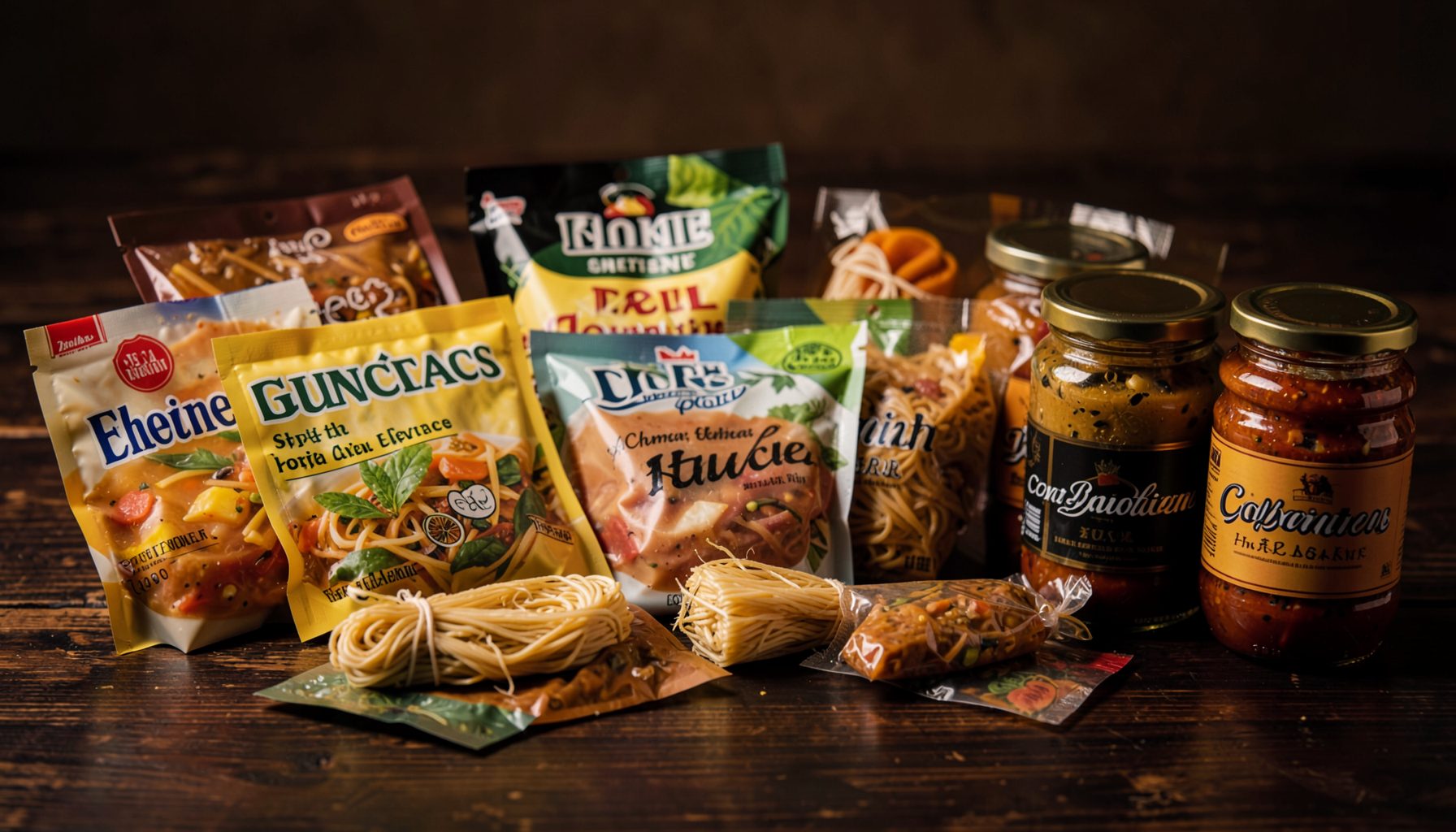
Hot Pot Essentials Bundle
NT$ —
About 蛤?! Huh Pot
蛤?! Huh Pot is a Cantonese-style hot pot brand known for its signature clam-based broth —卜卜蜆 — made with rich old-hen stock and generous portions of fresh clams. The brand also encompasses 本事滿足鍋物, a personal hot pot concept, bringing the same depth of flavor to individual servings.
Through MoneyCome Mart, these restaurant-quality soup bases, dry noodles, radish cakes, and signature sauces are available for home delivery across Taiwan. Restaurant locations in Taipei's Da'an District, Civic Boulevard, and Taichung's Gongyi Road also welcome guests for dine-in, with online reservations available.