A Guide to Pairing Our Sauces With Specific Cuts of Beef
Australians have long embraced the ritual of communal cooking, from weekend barbies in Brisbane backyards to family gatherings in Sydney's inner west. Hot pot fits neatly into this culture of shared plates, slow afternoons, and conversations that stretch well past sunset. When the broth bubbles and the plates of raw ingredients begin to circulate, the choice of dipping sauce can lift the meal from simple to memorable.
MoneyCome Mart delivers restaurant-grade Cantonese hot pot components across Australia, with cold-chain shipping that protects freshness from freezer to tabletop. The brand's range includes frozen soup bases, clam broths, noodles, turnip cakes, and an array of sauces built to complement the cuts Australians already know and love. Pairing the right sauce with the right slice of beef turns a home dinner into something approaching the experience of a Mong Kok kitchen.
Australian beef has earned a strong reputation for both grass-fed and grain-finished programs, with MSA grading shaping what ends up on retail shelves. Understanding how marbling, texture, and flavour intensity interact with Cantonese condiments helps home cooks build balanced plates. The guide below walks through the cuts most commonly sliced for hot pot and the sauces that bring out their best qualities.
Understanding Cantonese Hot Pot Sauce Foundations
Cantonese hot pot sauces typically fall into three broad families: sesame paste bases, soy-and-vinegar mixtures, and chilli-oil driven blends. Sesame paste brings nutty depth that softens the gaminess of richer cuts, while soy-vinegar mixtures offer brightness that cuts through fatty marbling. Chilli oils add heat and aromatic complexity, particularly when paired with lean slices that need a flavour boost.
The sauces sold by MoneyCome Mart follow traditional ratios, with some adjusted for Australian palates that often favour a touch more acidity. Combining two sauces on the same plate is common practice, allowing each diner to adjust the dip to the protein being cooked. A small spoon of chilli oil over a sesame base, for example, produces a balanced dip that works with both brisket and rib fillet.
Rib Fillet and Shabu-Style Slices
Rib fillet sliced thin, sometimes labelled as shabu beef in Melbourne and Sydney Asian grocers, has the marbling and tenderness that rewards richer sauces. A sesame paste dip with a splash of soy sauce complements the buttery texture, while the nutty finish echoes the richness of the fat. Adding a few drops of chilli oil introduces warmth without overpowering the beef.
These thin slices cook in under thirty seconds in a rolling broth, so the sauce does most of the flavour work. Diners who prefer a cleaner taste can lean toward the soy-vinegar option, which highlights the natural sweetness of Australian grain-fed beef. The combination of quick cook time and bold sauce keeps the meat tender and the flavour pronounced.
Brisket and Fatty Cuts
Brisket, often sold as point-end or navel-end in Brisbane butchers, carries thicker bands of fat that benefit from sharper, more acidic sauces. A vinegar-heavy dip with minced garlic cuts through the richness, cleansing the palate between bites. This pairing works particularly well during longer hot pot sessions, where richness can otherwise build up and dull the appetite.
For diners who enjoy a creamier mouthfeel, blending sesame paste with a splash of the broth itself creates a lighter dip that still complements the fat. MoneyCome Mart's clam broth base works especially well here, adding marine sweetness that softens the heavier notes of the brisket. Slicing the brisket against the grain, ideally paper-thin, keeps the texture tender even after longer cooking times.
Sirloin and Round Cuts
Sirloin sliced thin for hot pot offers a leaner profile with a firmer bite, often chosen by health-conscious home cooks in Adelaide and Perth suburbs. The meat needs a sauce with enough character to compensate for the lower fat content. A soy-ginger blend with a touch of sesame oil provides savoury depth without weighing down the slice.
Round cuts, sometimes marketed as hot pot beef in larger supermarkets, behave similarly to sirloin but with slightly more chew. Pairing these cuts with brighter sauces, such as those built around rice vinegar and fresh chilli, keeps each bite lively. A drizzle of chilli oil just before dipping adds the finishing layer of fragrance that lean meat often lacks.
Tongue and Offal
Beef tongue, tripe, and other offal cuts bring mineral-rich depth to a hot pot spread, with textures ranging from silky to springy. These cuts pair best with bold, fermented sauces that match their intensity. A doubanjiang-based dip, with its savoury heat, complements the earthiness of tripe, while a sesame-chilli blend softens the richness of tongue.
Offal requires slightly longer cooking times than sliced muscle meat, often around one to two minutes depending on thickness. Diners should keep a separate small dish for these ingredients to avoid cross-contamination of flavours, a practice aligned with Australian food safety guidelines around shared meals. When prepared correctly, offal becomes the highlight of the hot pot table, offering flavours that lean cuts simply cannot match.
Building a Complete Plate With Vegetables and Turnip Cakes
A well-balanced hot pot meal in Australian households typically includes vegetables alongside the beef, particularly Asian greens, mushrooms, and tofu. Light sauces work best for these accompaniments, allowing their natural flavours to shine. MoneyCome Mart's lighter soy-ginger options provide enough seasoning without overwhelming delicate produce.
Turnip cakes bring a satisfying starchy element to the meal, especially during cooler months in southern cities like Hobart and Melbourne. They soak up broth beautifully and pair with sesame-based dips that echo their pan-fried crispness. The piece on turnip cake traditions explains why these cakes anchor Lunar New Year tables across Cantonese communities. Combining turnip cakes with sliced beef and a thoughtfully chosen sauce turns a casual home dinner into a meal that honours both Cantonese tradition and Australian produce.
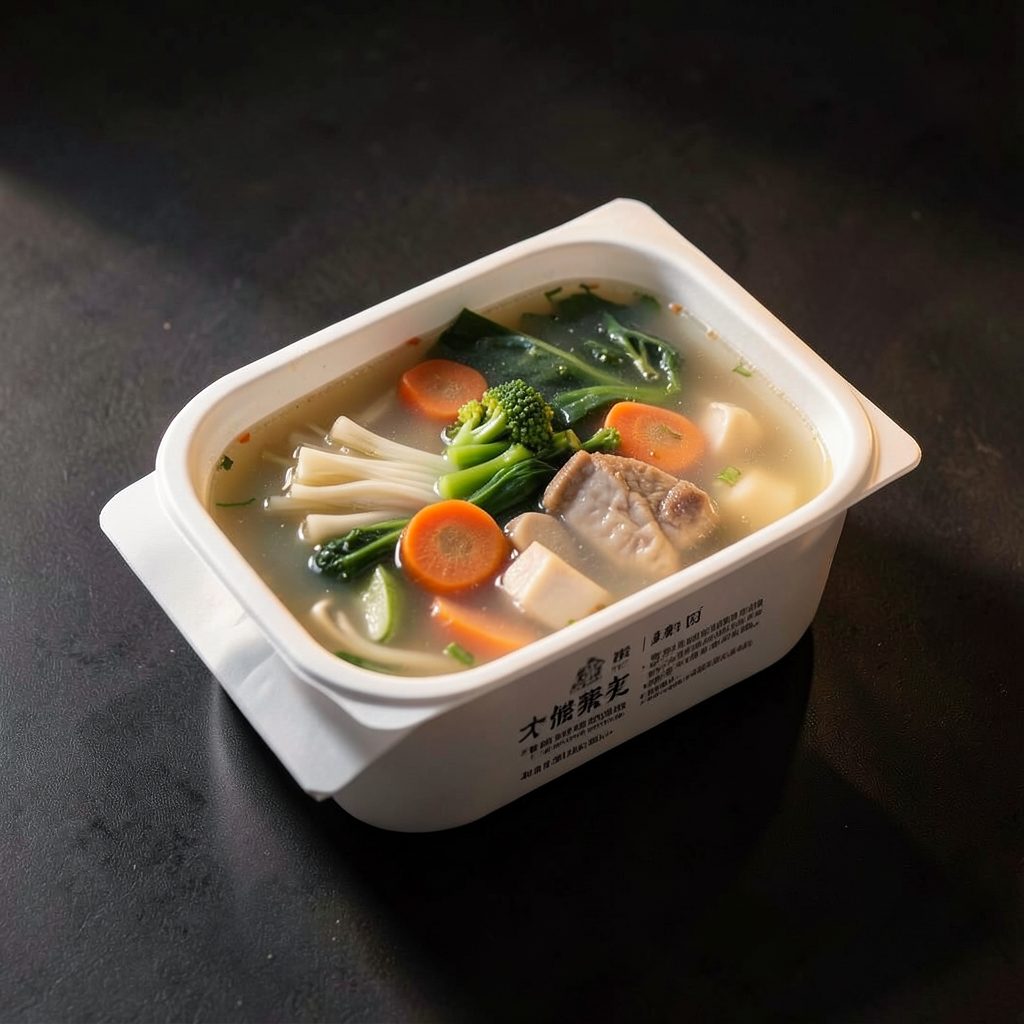
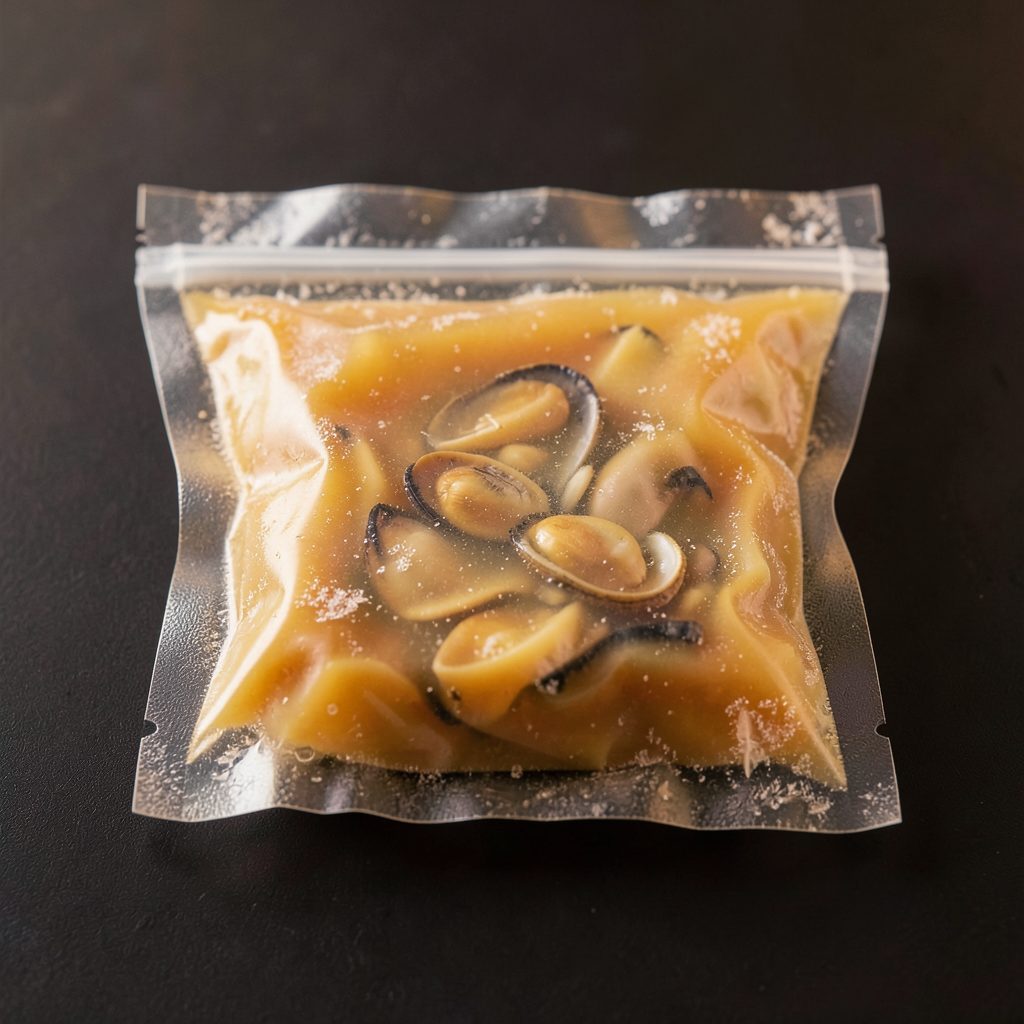
Best Sellers
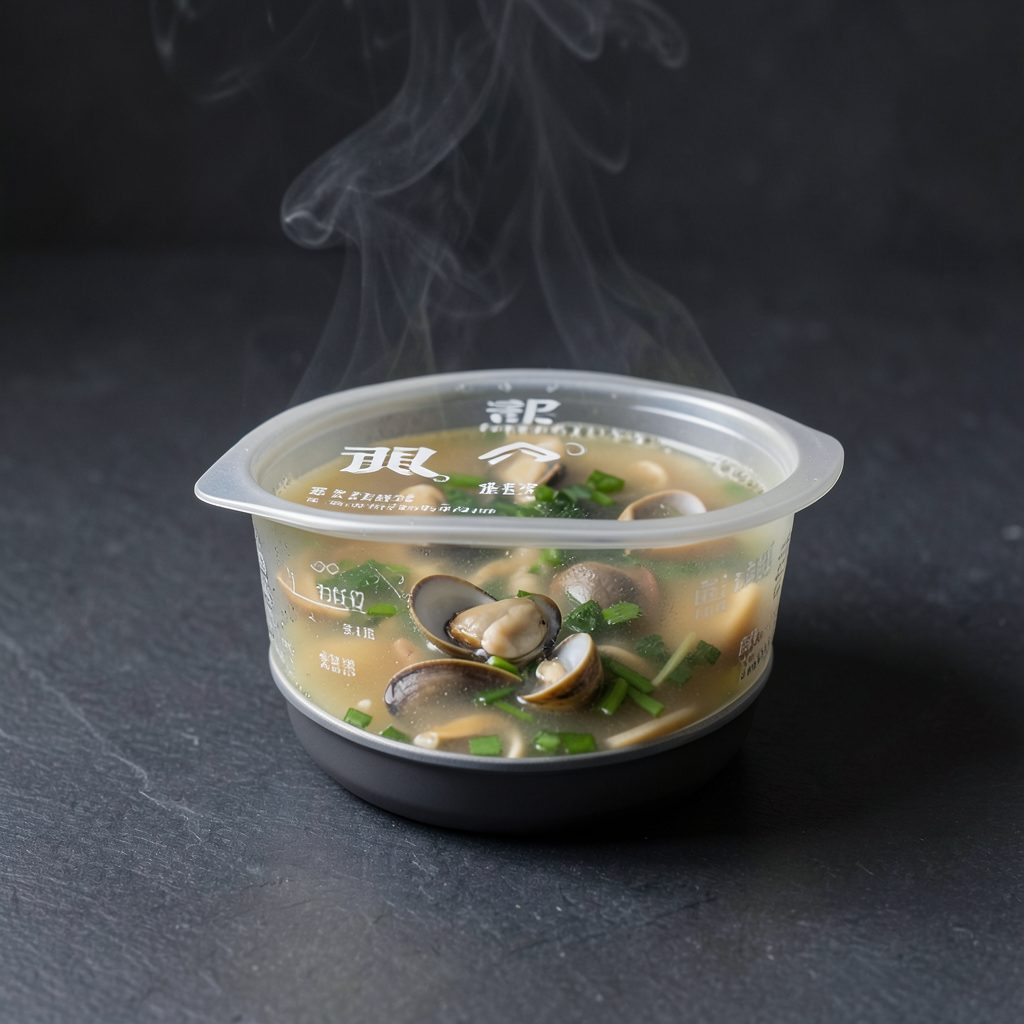
蛤?! Clam Soup Base —卜卜蜆
NT$ —
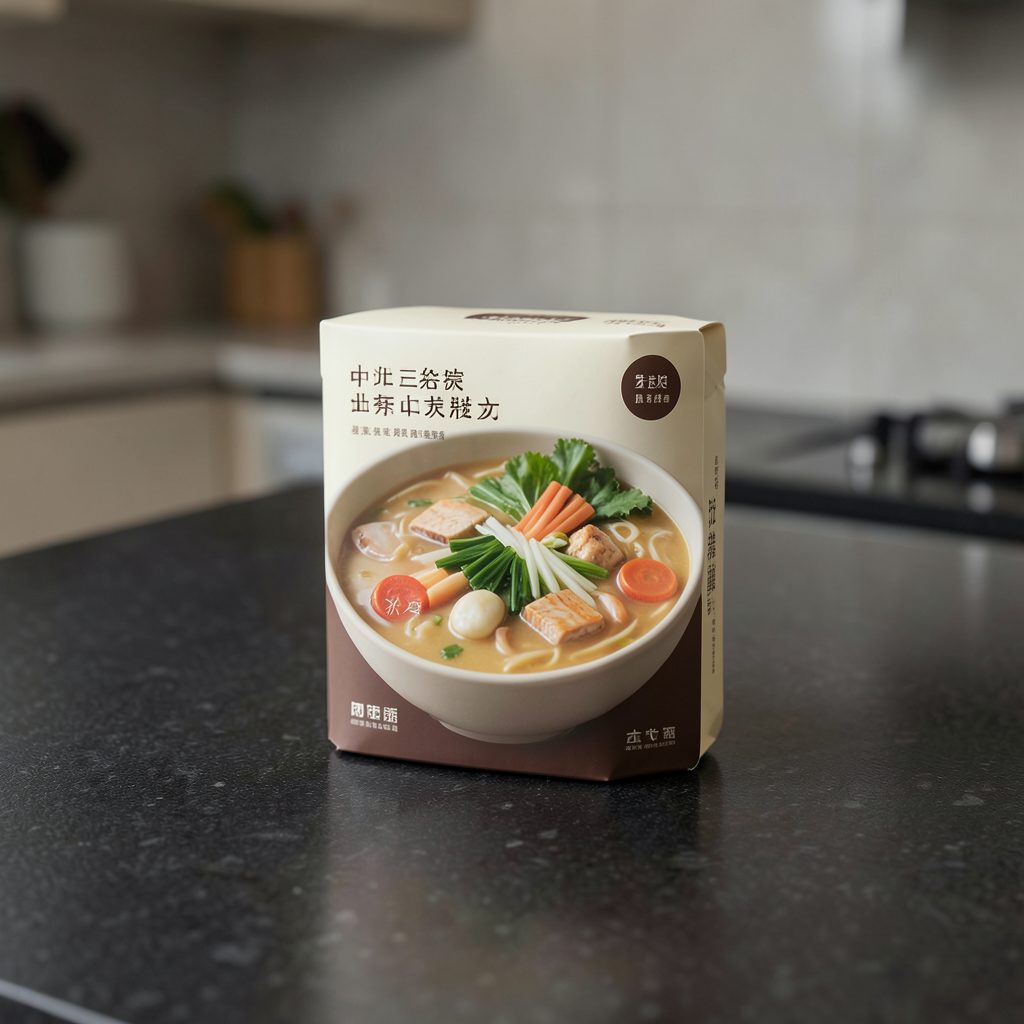
本事滿足鍋物 Personal Pot Base
NT$ —
蛤?! Dry Noodles
NT$ —
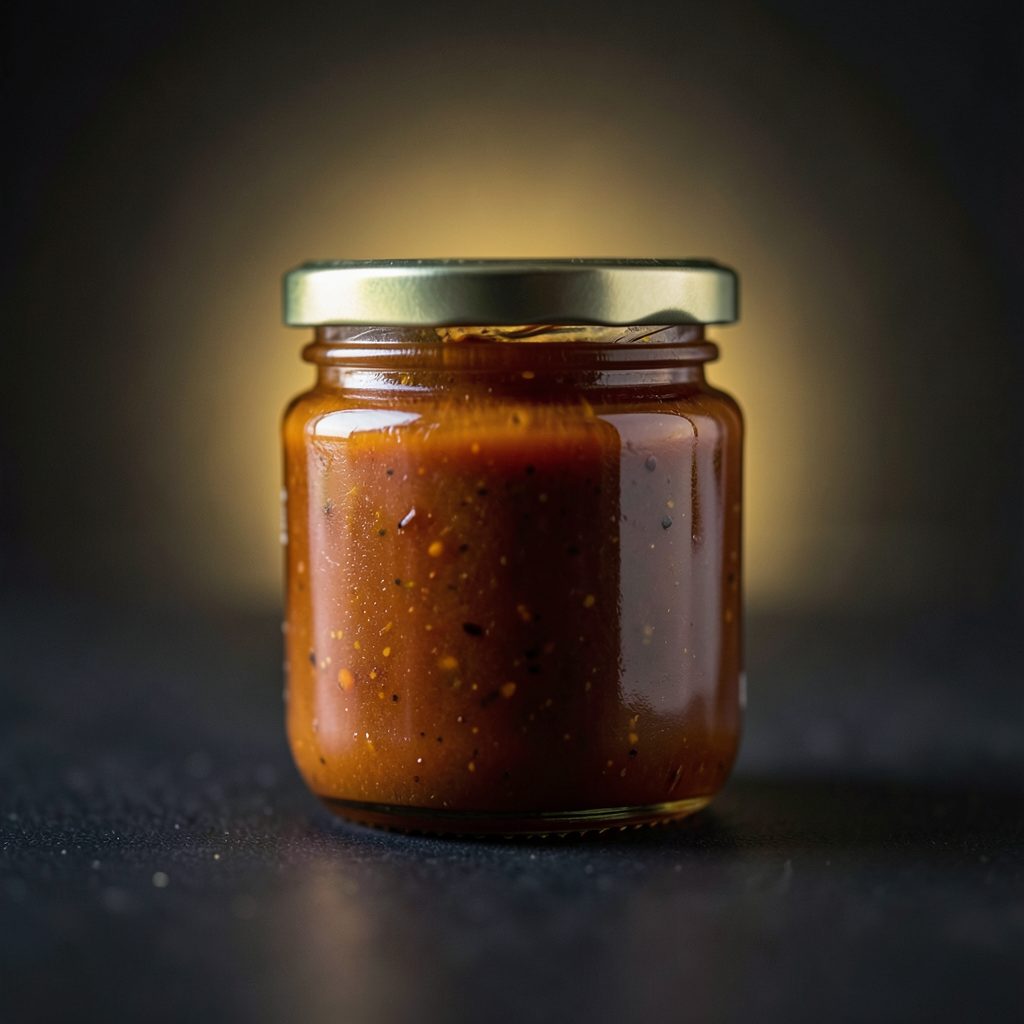
Signature Sauce
NT$ —
New Arrivals
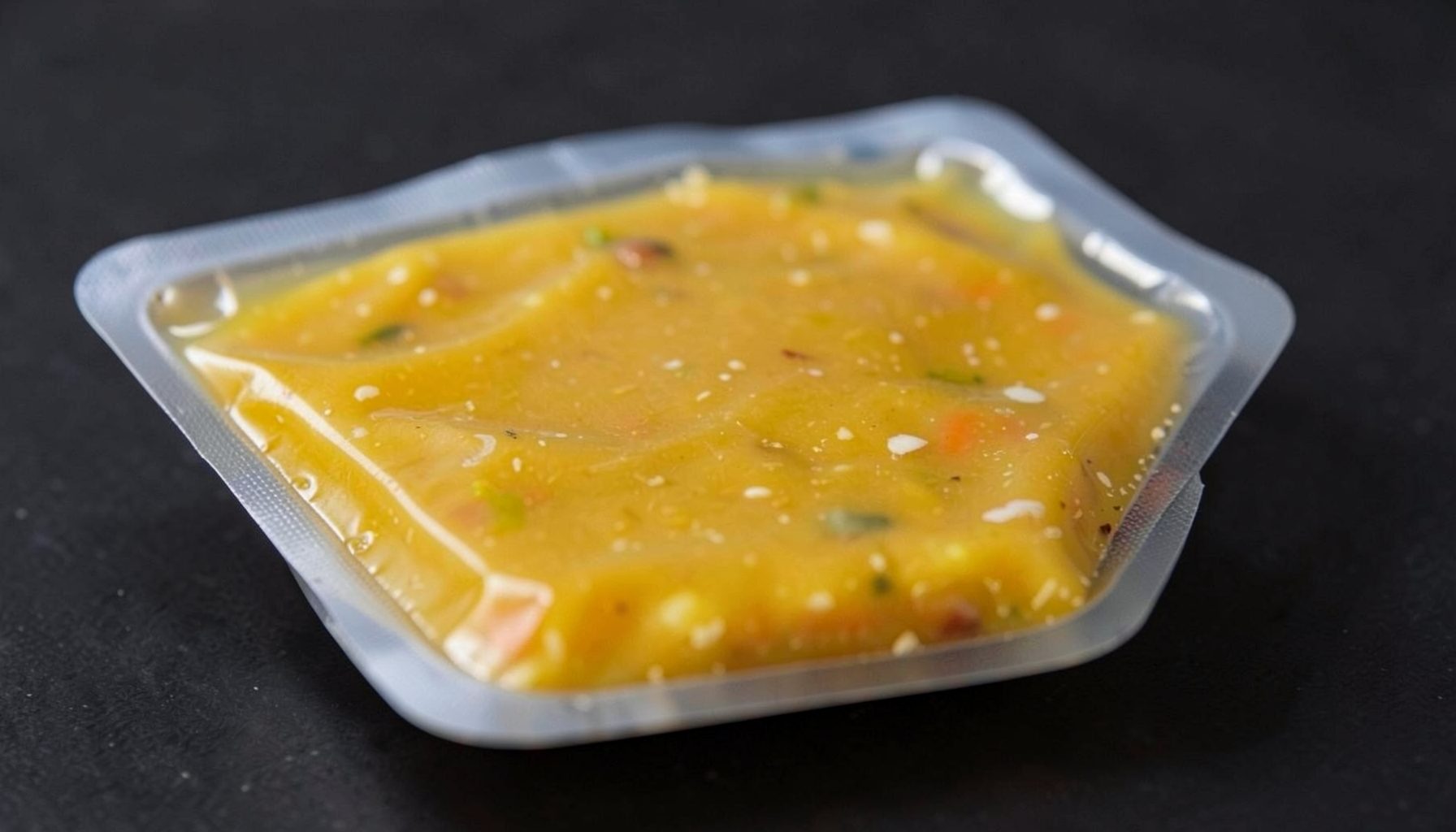
蛤?! Golden Clam Broth — New Batch
NT$ —
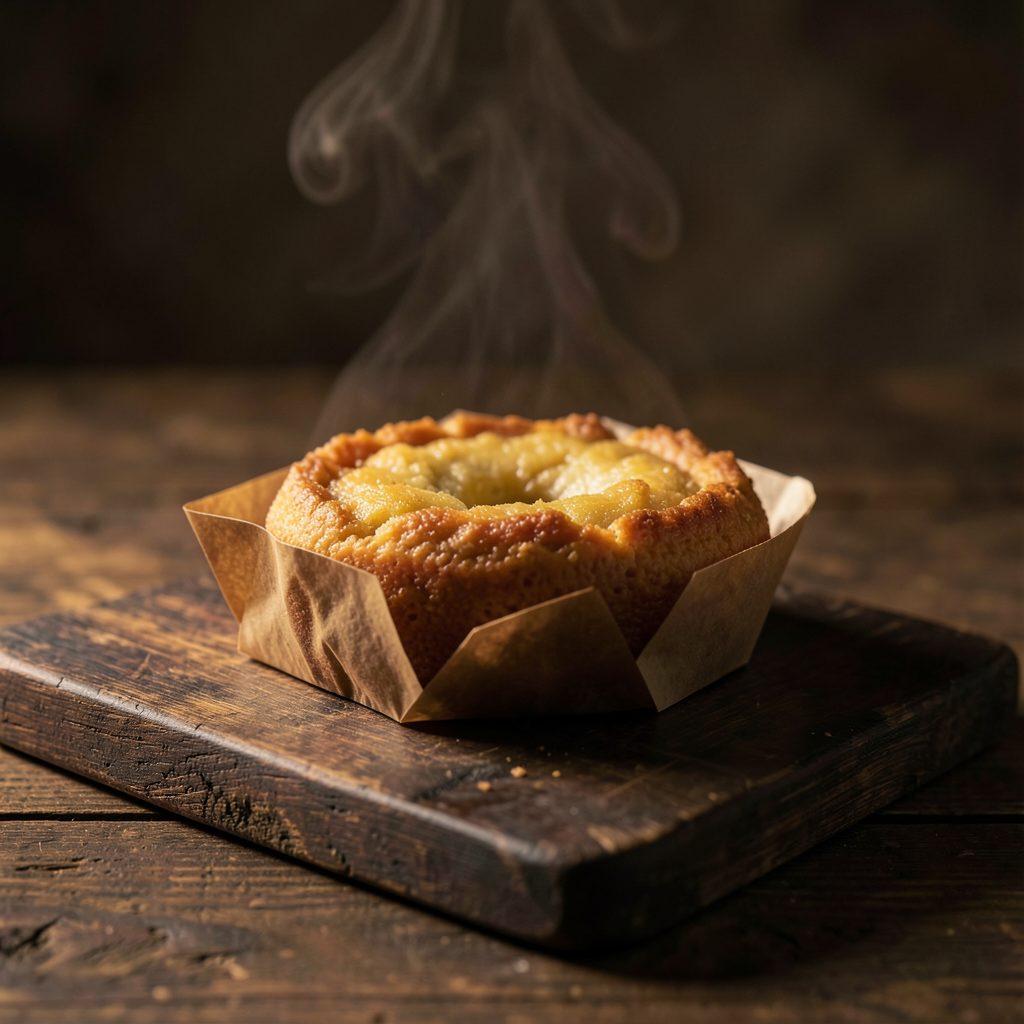
Radish Cake —蘿蔔糕精神
NT$ —
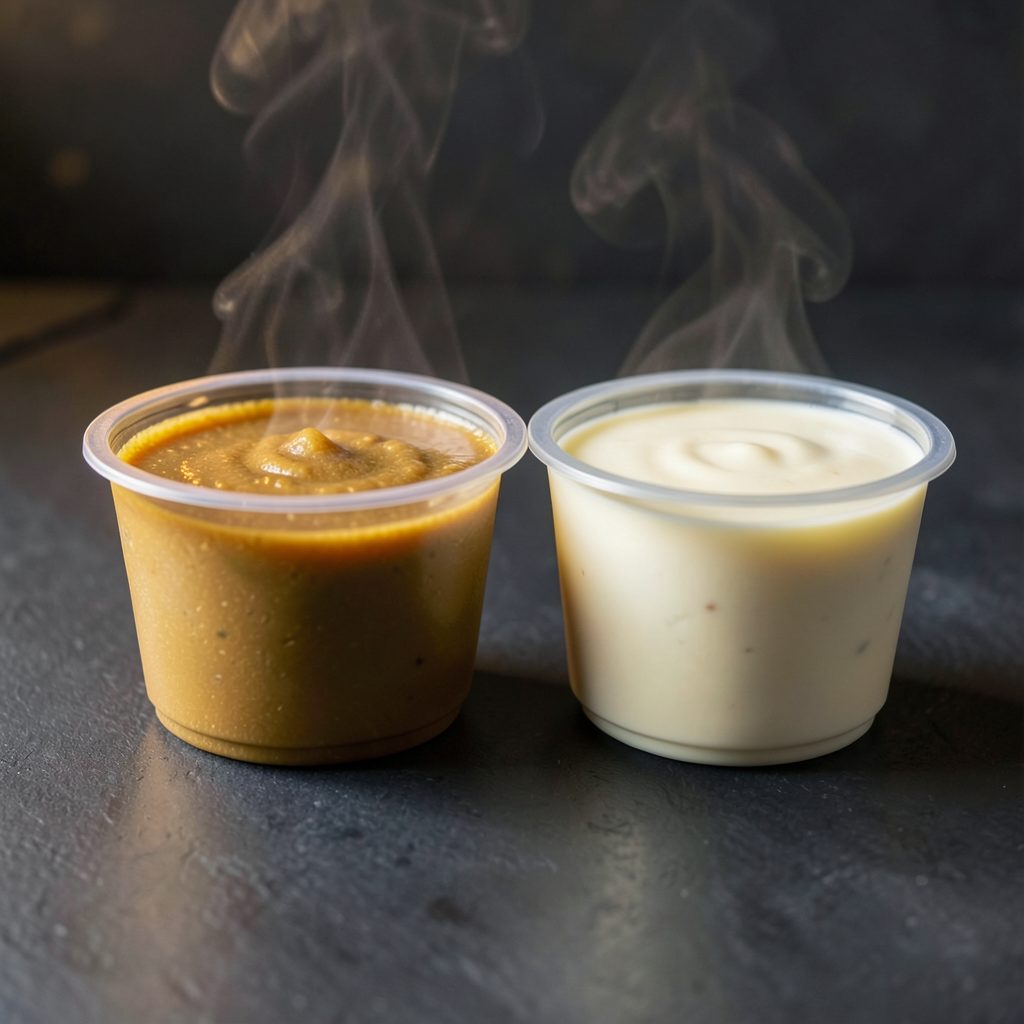
Duo Soup Base Set
NT$ —
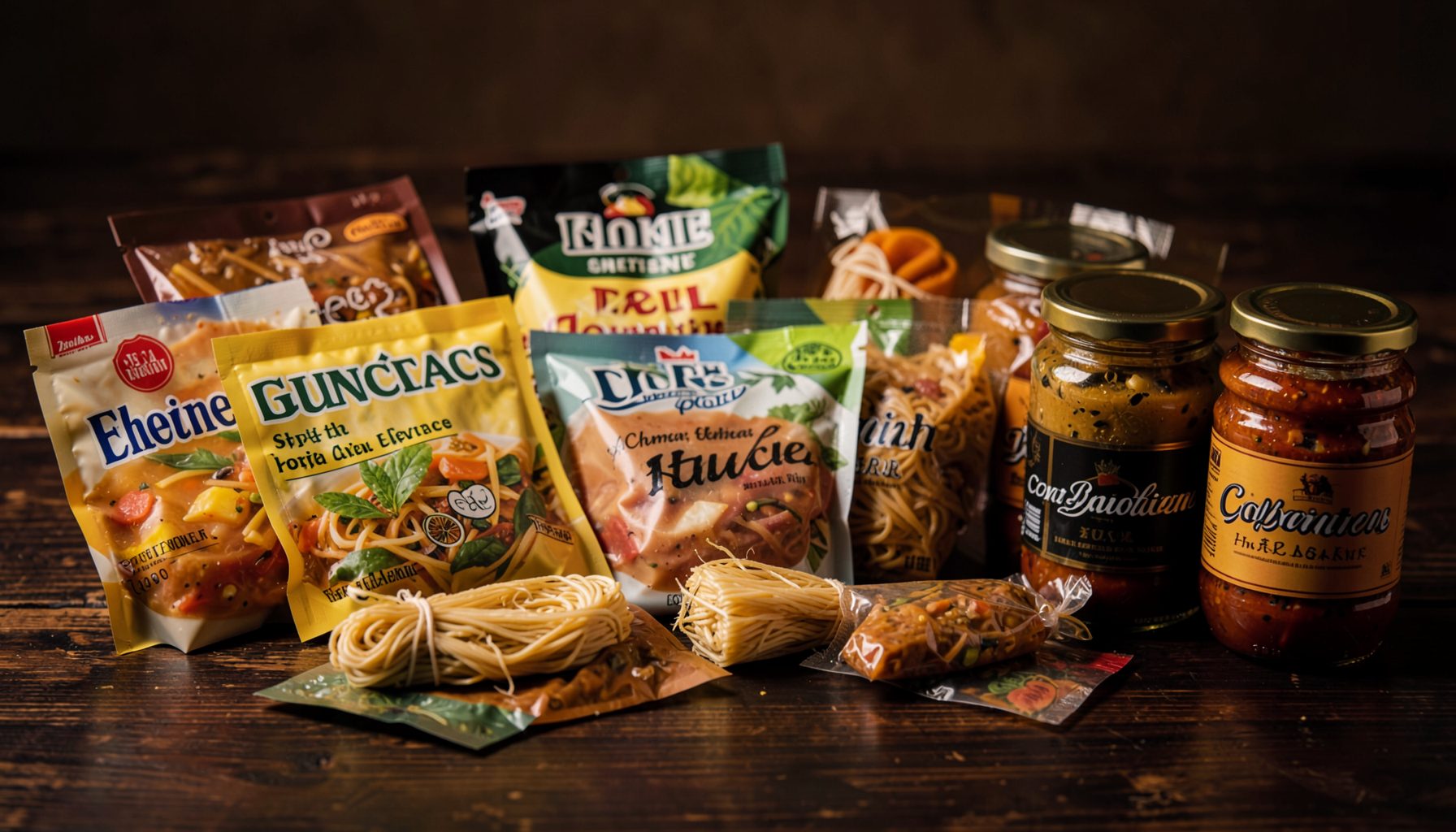
Hot Pot Essentials Bundle
NT$ —
About 蛤?! Huh Pot
蛤?! Huh Pot is a Cantonese-style hot pot brand known for its signature clam-based broth —卜卜蜆 — made with rich old-hen stock and generous portions of fresh clams. The brand also encompasses 本事滿足鍋物, a personal hot pot concept, bringing the same depth of flavor to individual servings.
Through MoneyCome Mart, these restaurant-quality soup bases, dry noodles, radish cakes, and signature sauces are available for home delivery across Taiwan. Restaurant locations in Taipei's Da'an District, Civic Boulevard, and Taichung's Gongyi Road also welcome guests for dine-in, with online reservations available.