Hot pot etiquette for guests new to Cantonese cuisine
Cantonese hot pot is a relaxed, communal meal built around a simmering pot of broth, fresh ingredients, and conversation. The experience may feel unfamiliar if you are used to ordering individual dishes, yet the basic manners are easy to learn: share thoughtfully, cook with patience, and let the ingredients speak for themselves.
At the table, diners select small portions of meat, seafood, vegetables, noodles, and prepared foods, then cook them in stages. A clear seafood broth or clam soup often has a delicate flavor, so considerate guests avoid treating the pot like a personal bowl of soup or adding strong seasonings without checking with the group.
MoneyCome Mart makes this style of meal simple to recreate at home in Taiwan, with cold-chain delivery for soup bases, sauces, noodles, turnip cakes, and other Cantonese hot pot ingredients. Understanding the etiquette helps the meal feel more like a shared dining tradition than a collection of ingredients placed around a cooker.
Before the broth starts simmering
Wait until the host or the person managing the cooker says the broth is ready. Cantonese hot pot often begins with a carefully chosen soup base, and rushing to add food before it reaches a steady simmer can affect both cooking time and flavor. Keep raw ingredients arranged on their plates until everyone has had a chance to see what is available.
Ask about the soup base before adding anything. Some broths are mild and aromatic, while others contain seafood, herbs, spice, or stronger fermented flavors. If someone has an allergy or dietary restriction, identify the safest ingredients and utensils before the meal begins rather than after food has entered the pot.
Share the pot with care
Use the communal serving chopsticks, tongs, or a small wire scoop for raw ingredients. Your personal chopsticks should be reserved for food that is already cooked and ready to eat. This simple distinction protects the shared broth and keeps the meal comfortable for everyone at the table.
Add a modest amount at a time instead of emptying an entire plate into the pot. Overloading lowers the temperature, hides delicate ingredients, and makes it difficult to tell whose food is ready. Place ingredients where they can be retrieved easily, and avoid stirring aggressively when seafood, tofu, or leafy greens are cooking.
When a piece is cooked, remove it promptly if you are eating it. Leaving meat or seafood in the broth for too long can make it tough, while noodles may absorb too much liquid and become soft. Guests should also avoid fishing through the pot for a particular item; taking what is nearest is a small but meaningful sign of consideration.
Choose ingredients in a thoughtful order
A useful cooking sequence moves from mild and delicate ingredients to foods with stronger flavors. Vegetables, tofu, mushrooms, and thinly sliced meats can begin the meal, followed by seafood and other items that contribute more flavor to the broth. Noodles, dumplings, and rice-based foods are often best saved for later, when the soup has developed depth.
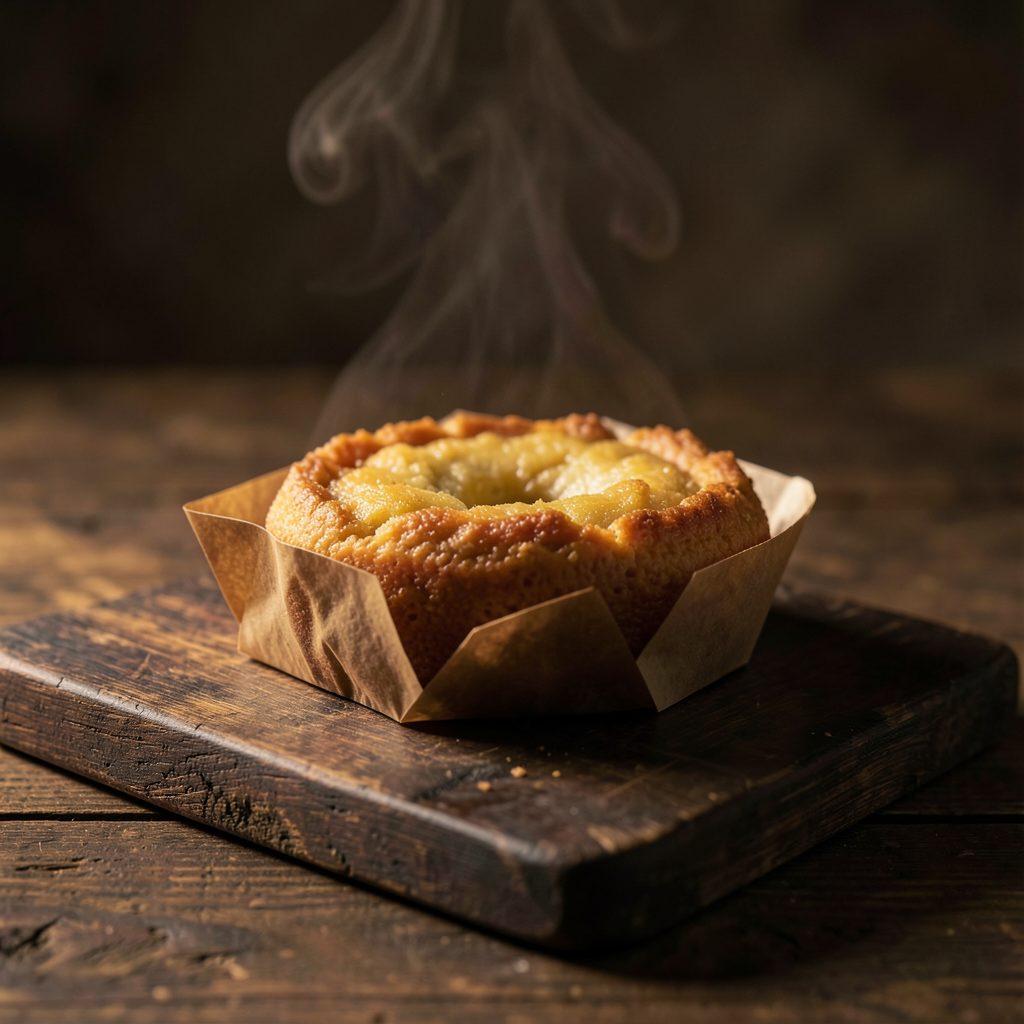
Turnip cakes, fish balls, and other prepared foods are popular additions because they are convenient and satisfying between fresh ingredients. Keep crisp items out of the broth unless the host specifically recommends it. For a golden side dish that holds its texture, follow these turnip cake tips before serving it alongside the hot pot.
| Dining moment | Considerate practice | Why it matters |
|---|---|---|
| Choosing food | Take a small portion first | Everyone gets a fair share |
| Adding ingredients | Use communal utensils | It keeps raw and cooked food separate |
| Cooking seafood | Watch the timing closely | Delicate items can become tough quickly |
| Serving broth | Ladle into your own bowl | The central pot stays available to everyone |
| Handling sauces | Mix in a personal dish | Individual tastes do not change the shared soup |
Build a personal dipping sauce
Cantonese hot pot sauces are usually mixed in an individual bowl rather than poured into the communal broth. Sesame sauce, soy sauce, chili, garlic, scallions, cilantro, and fermented bean curd may all appear, depending on the meal and the household. Start with a small amount of each flavor so the sauce complements the ingredients instead of overpowering them.
Taste the broth on its own before loading your bowl with sauce. A clam-based or seafood broth may be subtle and naturally sweet, while a richer soup base can stand up to chili or sesame. Guests should also use a clean spoon or ladle when serving broth into their bowls, especially if the shared pot contains raw ingredients.
Keep conversation and serving balanced
Hot pot is social, so conversation is part of the meal. Still, avoid reaching across another guest, blocking the cooker, or leaving a serving utensil in the middle of the table. If the pot needs attention, quietly ask who is managing it before adjusting the heat or moving the cooker.
Offer the last piece of a popular ingredient to others before taking it. Hosts often watch the pot and refill plates, but guests can help by passing dishes, mentioning when food is ready, and checking that quieter diners have had an opportunity to choose. These small gestures suit the generous spirit of Cantonese hospitality.
If you are full, say so clearly rather than continuing to accept food out of politeness. A host may encourage you to try one more item, but a warm thank-you and a clear explanation are perfectly acceptable. At the end, help gather plates and dispose of used skewers, shells, or packaging if the meal is being served at home.
A simple guest checklist
Etiquette becomes much easier when reduced to a few practical habits. These recommendations work for a restaurant meal, a family gathering, or a Cantonese hot pot prepared with a home-delivery bundle from MoneyCome Mart.
- Wait for the broth to simmer before adding ingredients.
- Use separate utensils for raw food and cooked food.
- Cook small portions and remove them when ready.
- Keep dipping sauce in your own bowl, away from the shared soup.
- Offer the last serving of a favorite ingredient to the group.
With these habits, newcomers can enjoy the pace, flavor, and shared warmth of Cantonese hot pot without feeling uncertain at the table. Choose a soup base, arrange a balanced selection of fresh and prepared ingredients, and bring the same thoughtful rhythm to your next home gathering with MoneyCome Mart.
Best Sellers
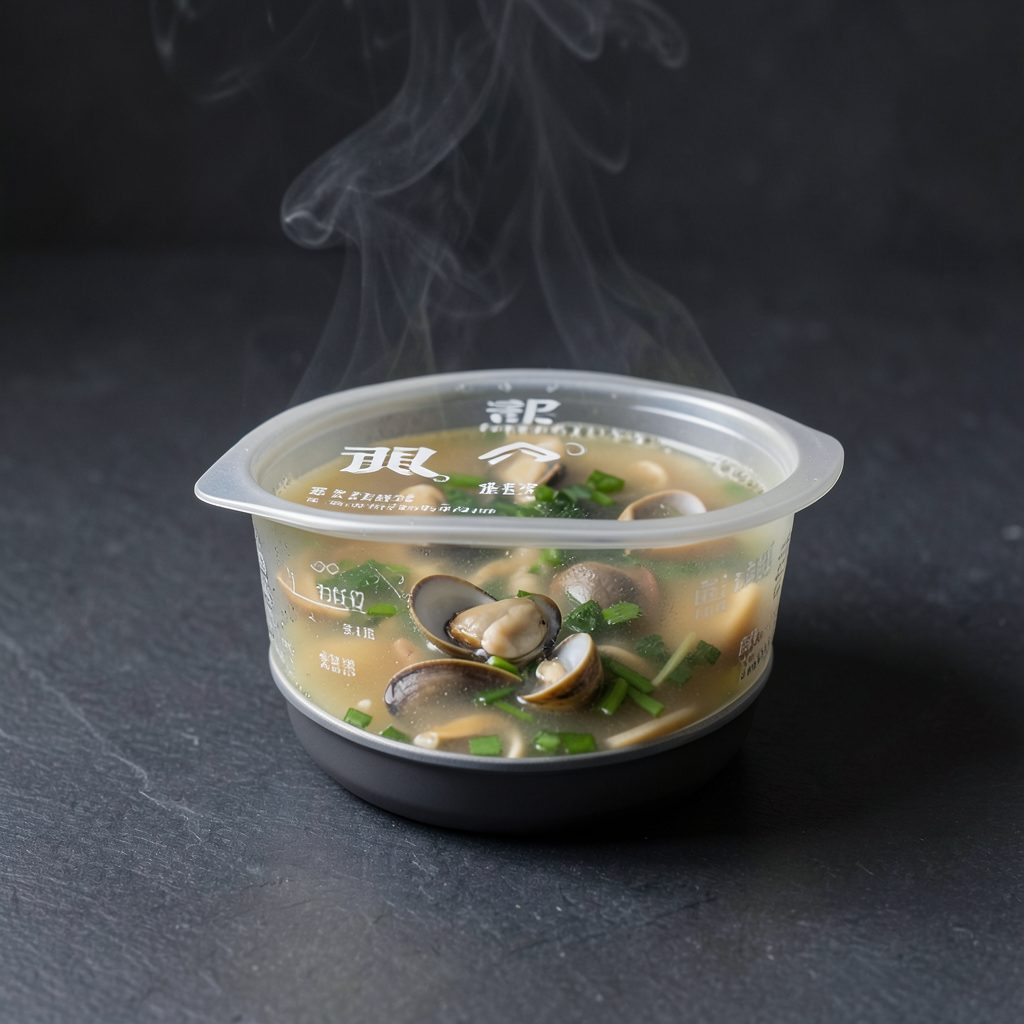
蛤?! Clam Soup Base —卜卜蜆
NT$ —
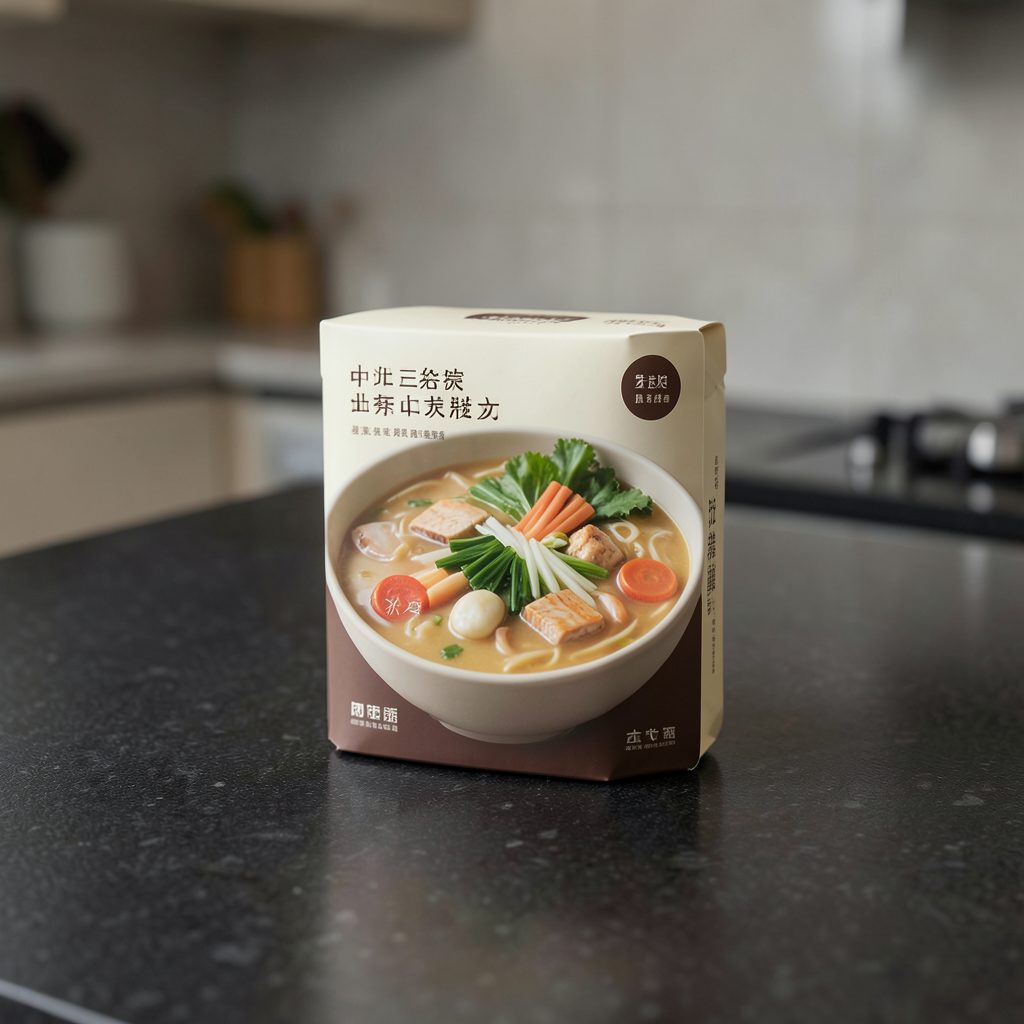
本事滿足鍋物 Personal Pot Base
NT$ —
蛤?! Dry Noodles
NT$ —
Signature Sauce
NT$ —
New Arrivals
蛤?! Golden Clam Broth — New Batch
NT$ —
Radish Cake —蘿蔔糕精神
NT$ —
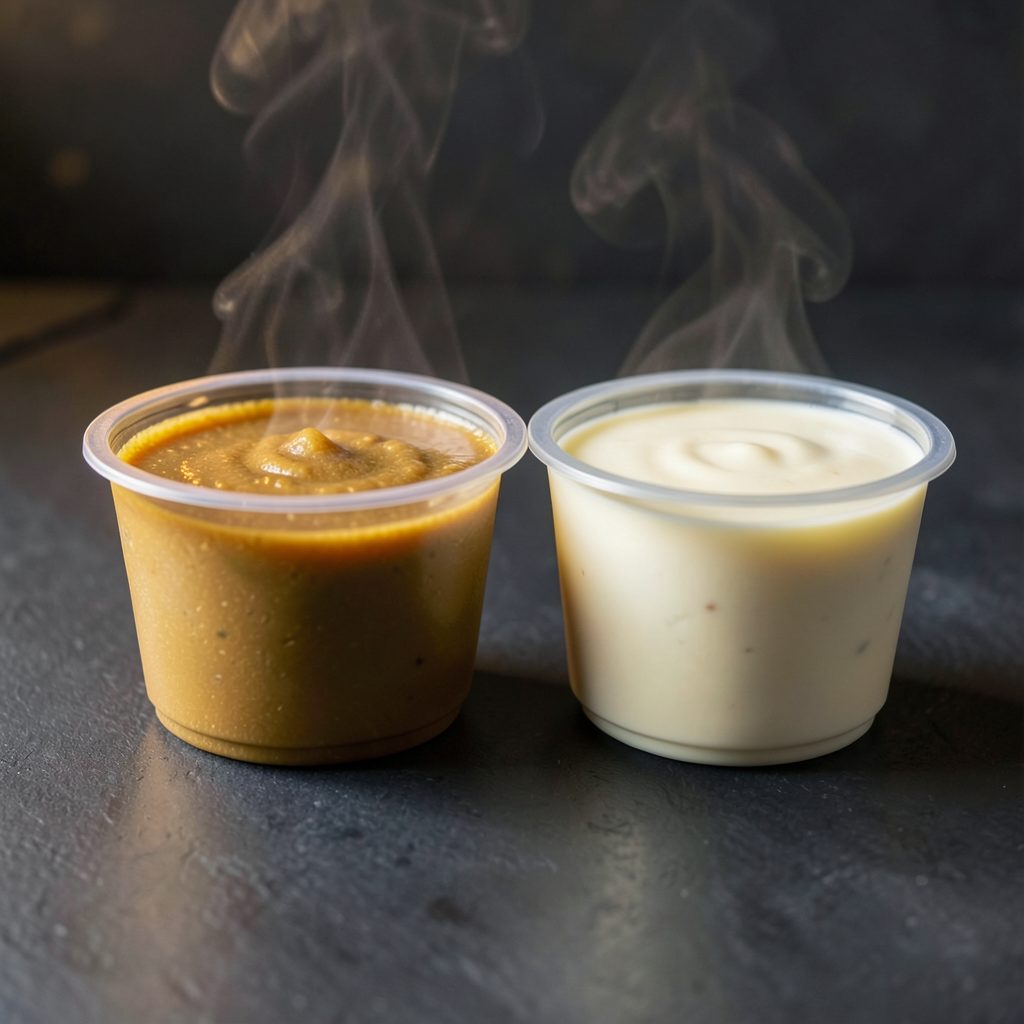
Duo Soup Base Set
NT$ —
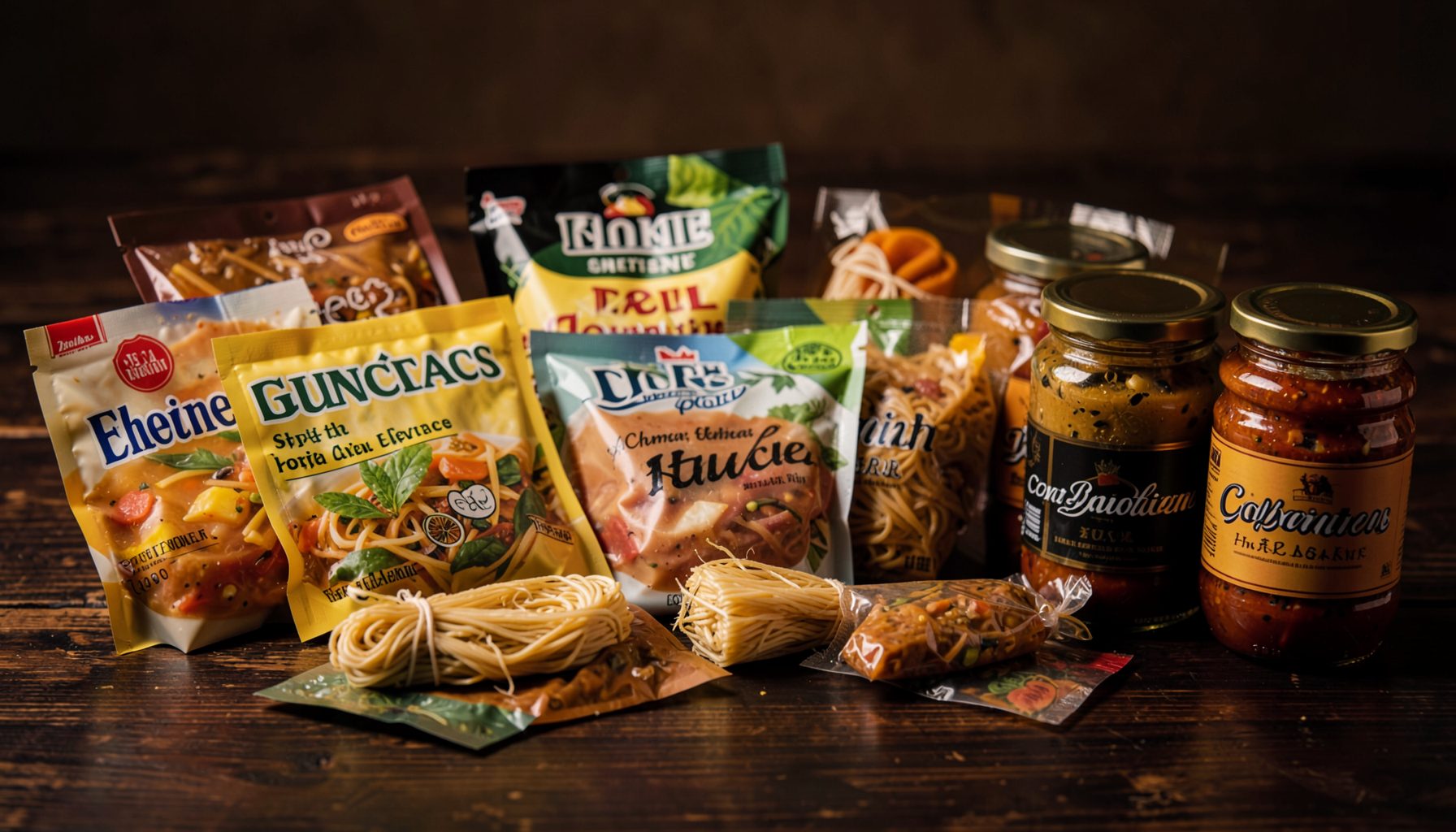
Hot Pot Essentials Bundle
NT$ —
About 蛤?! Huh Pot
蛤?! Huh Pot is a Cantonese-style hot pot brand known for its signature clam-based broth —卜卜蜆 — made with rich old-hen stock and generous portions of fresh clams. The brand also encompasses 本事滿足鍋物, a personal hot pot concept, bringing the same depth of flavor to individual servings.
Through MoneyCome Mart, these restaurant-quality soup bases, dry noodles, radish cakes, and signature sauces are available for home delivery across Taiwan. Restaurant locations in Taipei's Da'an District, Civic Boulevard, and Taichung's Gongyi Road also welcome guests for dine-in, with online reservations available.