A Practical Guide To Perfectly Timed Hot Pot Vegetables
Hot pot vegetables can shift from crisp and sweet to soft and watery within minutes. The key is to treat each ingredient according to its density, thickness, and ability to withstand simmering. A well-timed cooking order keeps the broth clear and gives every bite the texture it deserves. Learn more about %E5%B8%B8%E8%A6%8B%E5%95%8F%E9%A1%8C.
This approach works especially well when preparing a Cantonese-style hot pot at home. With a flavorful soup base, fresh vegetables, noodles, tofu, seafood, and dipping sauces, the meal can unfold gradually around the table instead of becoming one crowded pot of overcooked ingredients.
Cooking vegetables at the right time in hot pot also helps control the flavor of the broth. Starchy roots can add body, mushrooms contribute savoriness, and leafy greens release water quickly. Adding them in thoughtful stages creates a more balanced meal.
Choose Vegetables By Texture
Dense vegetables need the most time. Daikon, carrot, lotus root, corn, pumpkin, and thick slices of potato should enter the pot early, once the broth has returned to a steady simmer. Their firm structure requires several minutes to soften, and their natural sweetness gradually seasons the soup.
Mushrooms fall into the middle range. Shiitake, king oyster, and enoki mushrooms can usually be added after root vegetables have started cooking. Thick mushrooms benefit from a longer simmer, while delicate enoki only need a short time before serving. Cut larger pieces into similar sizes so they finish together.
Build A Reliable Cooking Order
Start with a clean, simmering soup base rather than a vigorous boil. A rolling boil can break apart tender ingredients and evaporate the broth too quickly. When using a frozen Cantonese soup base, thaw or heat it according to the package directions before adding ingredients. Frozen soup bases make it easy to establish a restaurant-style foundation without preparing stock from scratch.
Add firm vegetables first, followed by tofu, fish balls, dumplings, and thicker mushrooms. Leafy greens, bean sprouts, sliced meat, and seafood should come later because they cook quickly. Noodles are best added near the end unless you want them to absorb extra broth and become softer.
Use Timing As A Flexible Guide
The following cooking times assume bite-sized pieces and a steady simmer. Increase the time for large chunks, and reduce it for thin slices or small portions. Use a skewer, chopstick, or tasting spoon to check texture instead of relying on the clock alone.
| Ingredient | Best Time To Add | Approximate Simmering Time | Doneness Cue |
|---|---|---|---|
| Corn and daikon | Early | 8–12 minutes | Easily pierced but still firm |
| Carrot and lotus root | Early | 6–10 minutes | Tender with a slight bite |
| Pumpkin and potato | Early to middle | 6–9 minutes | Soft center, intact edges |
| Shiitake and king oyster mushrooms | Middle | 4–7 minutes | Moist and tender |
| Napa cabbage and bok choy | Late | 2–4 minutes | Leaves wilted, stems crisp |
| Spinach and chrysanthemum greens | Very late | 30–90 seconds | Just wilted |
| Bean sprouts | Very late | 30–60 seconds | Crunchy and bright |
| Thinly sliced seafood | Late | 1–3 minutes | Opaque and just cooked |
These ranges are useful for planning, but the soup’s heat, ingredient temperature, and serving size can change the result. Frozen vegetables may need an extra minute or two, while vegetables at room temperature will cook more quickly.
Adjust For Cut Size And Quantity
Uniform cutting is one of the simplest ways to improve a hot pot meal. Slice carrots and daikon into pieces of similar thickness, halve large mushrooms, and separate cabbage leaves from their thicker stems. A thick stem can go in early, while the tender leaf follows later.
Avoid filling the pot to the rim. Too many cold ingredients can lower the broth temperature and create uneven cooking. Add a small handful at a time, allowing the soup to recover its simmer before adding the next batch. This is particularly important when cooking frozen dumplings, tofu products, or a large quantity of vegetables for several guests.
Protect Flavor And Texture
Leafy vegetables should be added in modest portions. Napa cabbage, lettuce, water spinach, bok choy, and chrysanthemum greens wilt quickly and can dilute the soup if left simmering for too long. Cook only what guests are ready to eat, then refresh the pot with another small batch.
Strongly flavored ingredients deserve their own timing strategy. Corn and sweet pumpkin can make a clear broth sweeter, while mushrooms deepen its savory character. If a soup base is already rich or spicy, use milder vegetables first and reserve strongly aromatic ingredients for later.
Keep These Cooking Habits Handy
Use these practical habits whenever you prepare a vegetable-focused hot pot:
- Arrange ingredients by cooking time before the broth begins simmering.
- Add dense roots and corn first, then mushrooms and firm tofu.
- Keep leafy greens, sprouts, noodles, and thin seafood for the final minutes.
- Cook in small batches so the broth stays hot and the texture remains distinct.
- Taste each ingredient before serving rather than depending only on a timer.
For questions about storage, preparation, delivery, or handling packaged hot pot ingredients, consult the store’s common cooking questions. Clear preparation details are especially useful when combining chilled and frozen foods in the same meal.
Serve In Batches For Better Results
A shared pot works best when each guest can choose a small portion and cook it at the ideal moment. Use separate baskets, chopsticks, or a slotted spoon for raw and cooked foods. This keeps delicate greens from becoming lost beneath heavier ingredients and makes it easier to monitor doneness.
Keep a small plate for cooked vegetables and replenish it regularly. When the broth becomes concentrated after several rounds, add hot water or a little extra soup base rather than cold water. This preserves the simmer and keeps the meal consistent from the first serving to the last.
Bring The Pot To The Table
The best home hot pot experience combines a well-balanced soup, carefully prepared ingredients, and timing that respects each vegetable’s natural texture. Stock the table with firm roots, aromatic mushrooms, fresh greens, noodles, and sauces, then let the meal develop one batch at a time.
Choose a MoneyCome Mart soup base and your favorite Cantonese hot pot ingredients, prepare them in order, and enjoy restaurant-quality flavor with the ease of a meal cooked together at home.
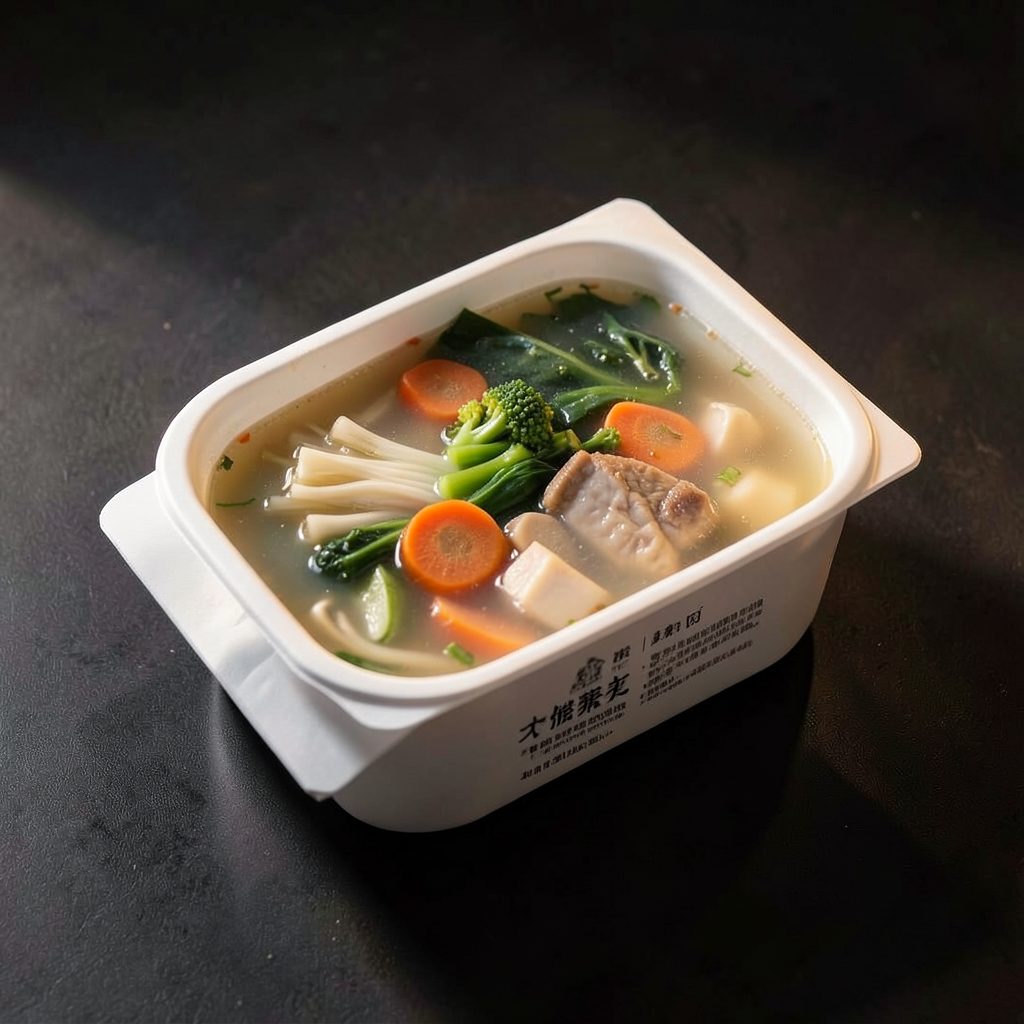
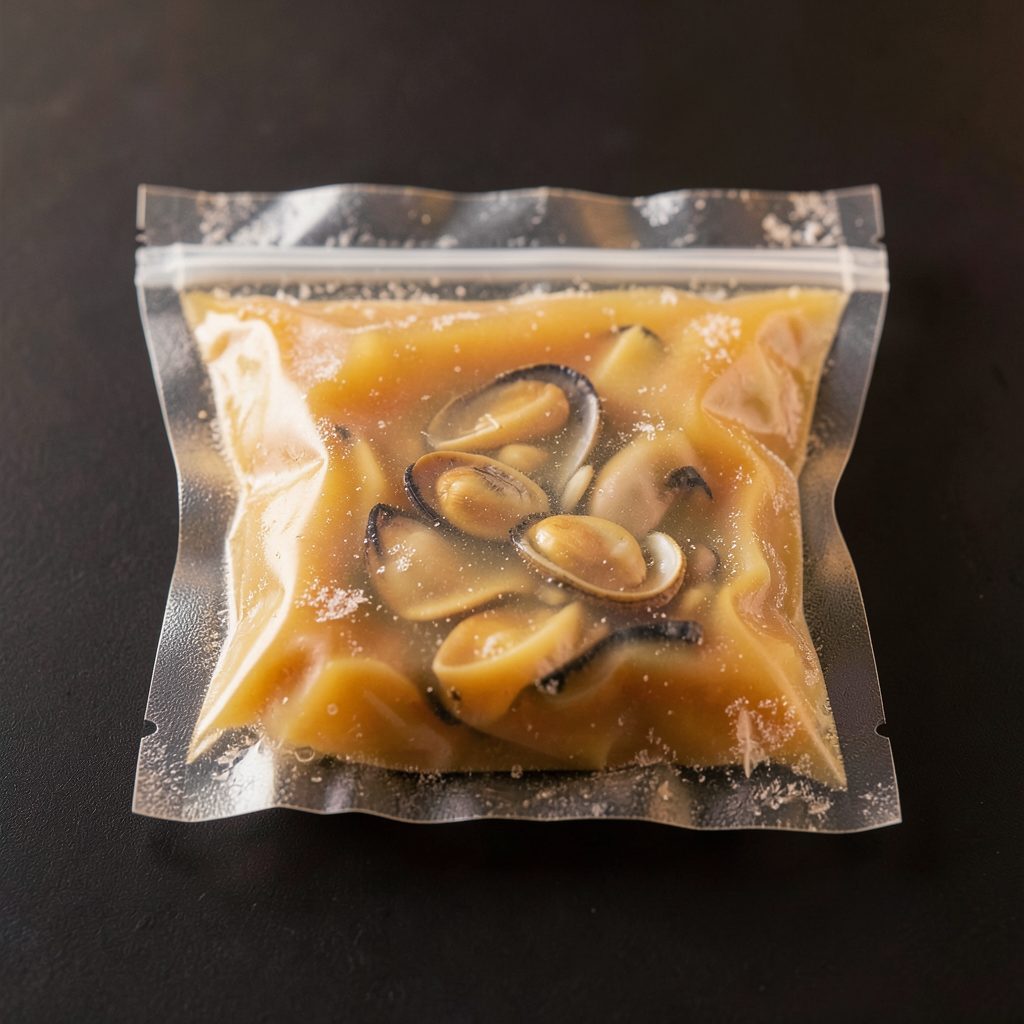
Best Sellers
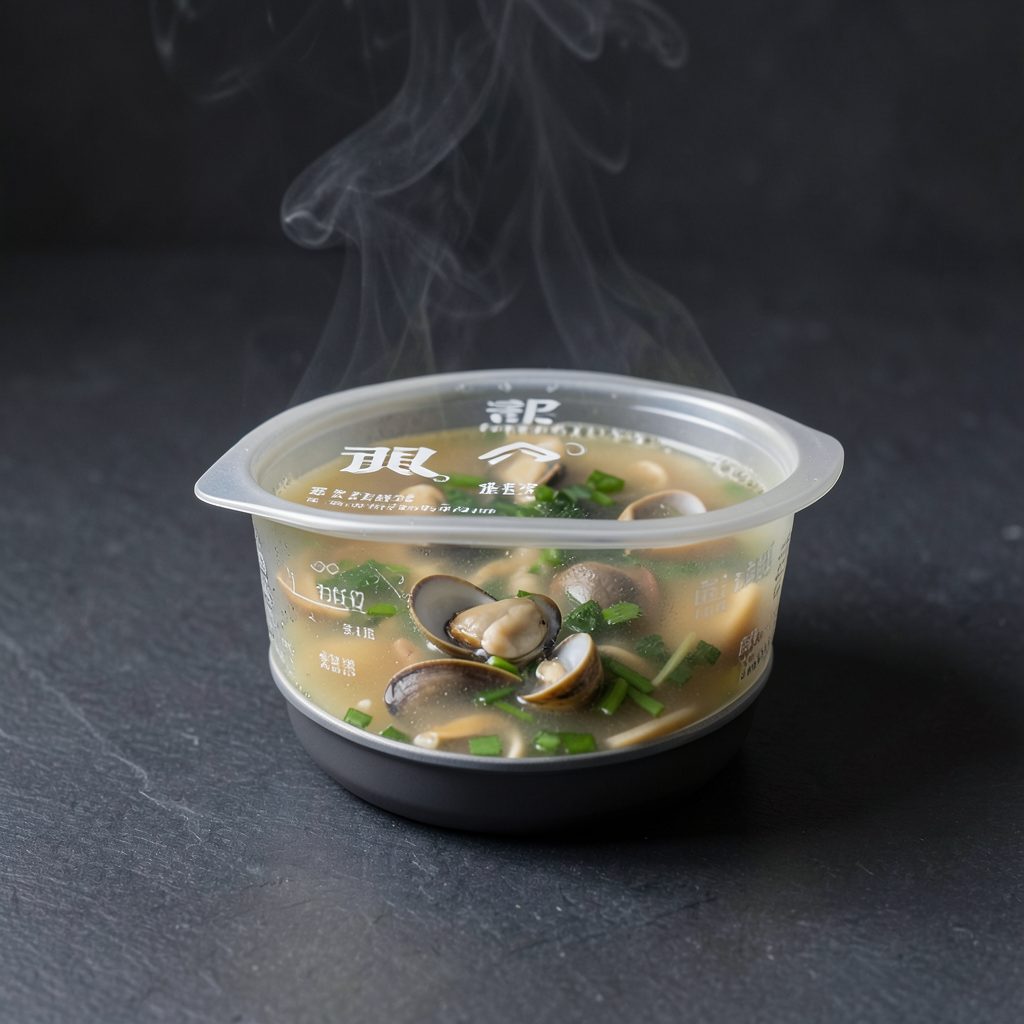
蛤?! Clam Soup Base —卜卜蜆
NT$ —
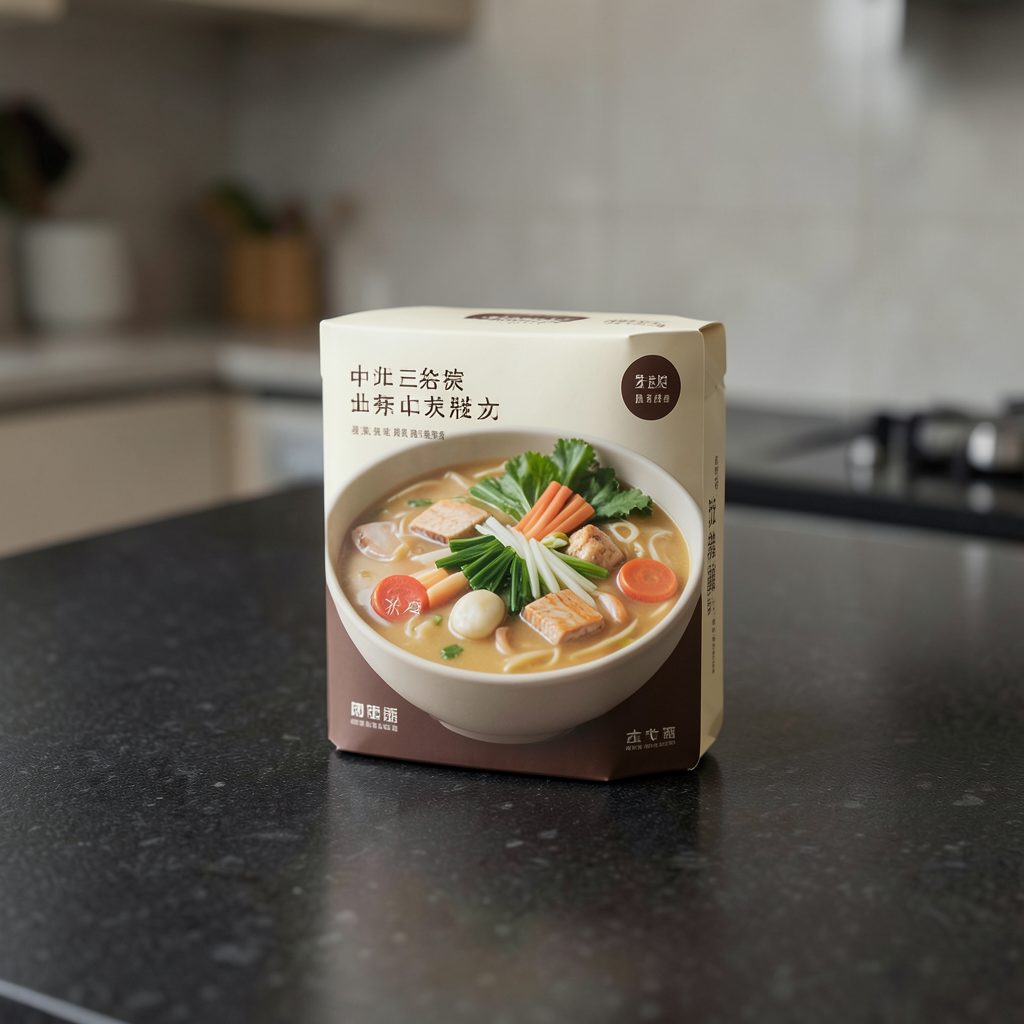
本事滿足鍋物 Personal Pot Base
NT$ —
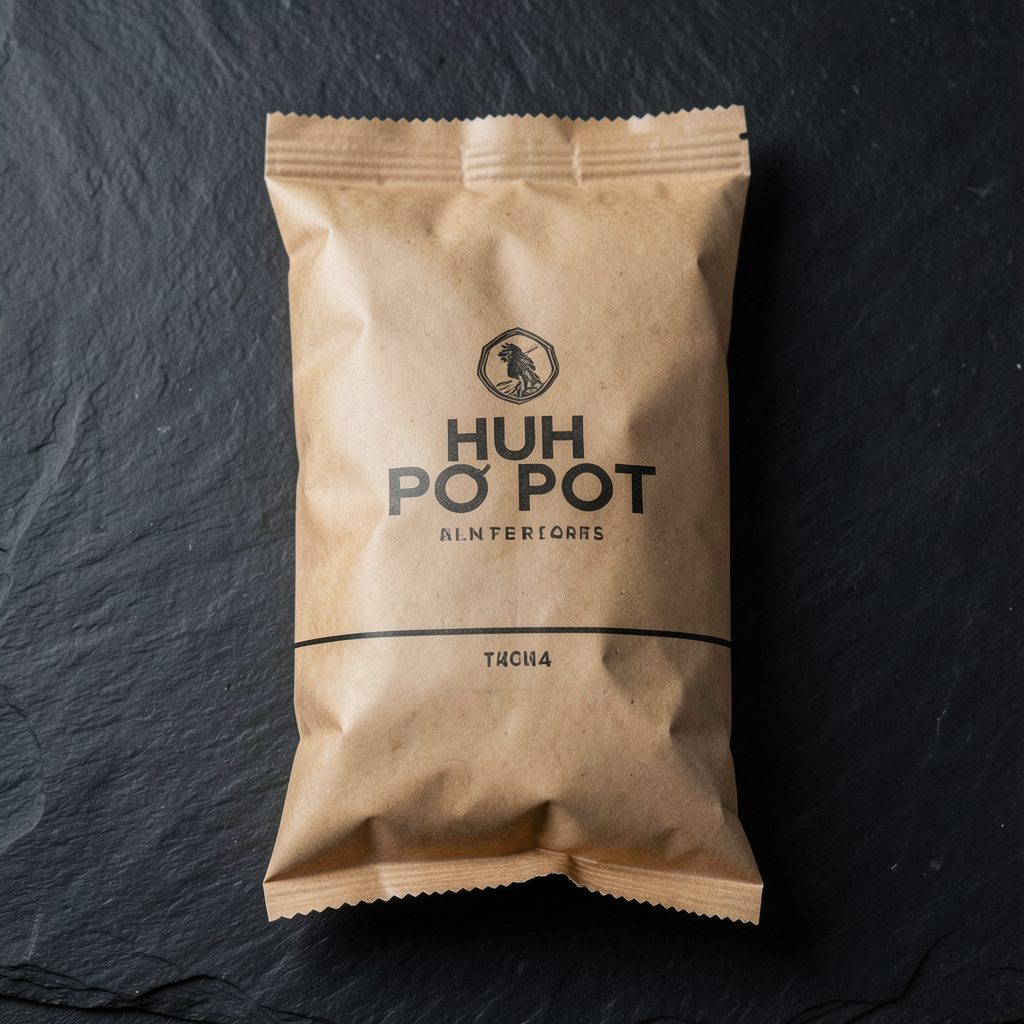
蛤?! Dry Noodles
NT$ —
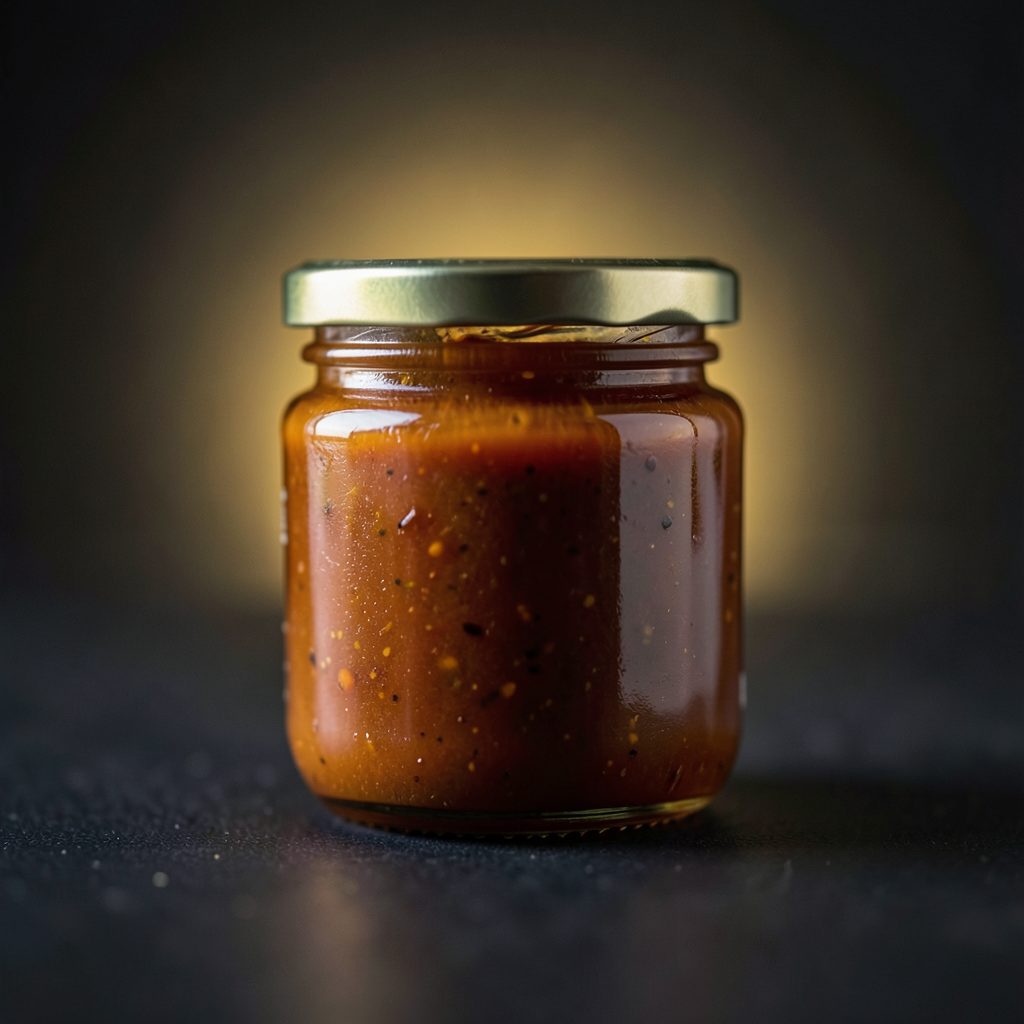
Signature Sauce
NT$ —
New Arrivals
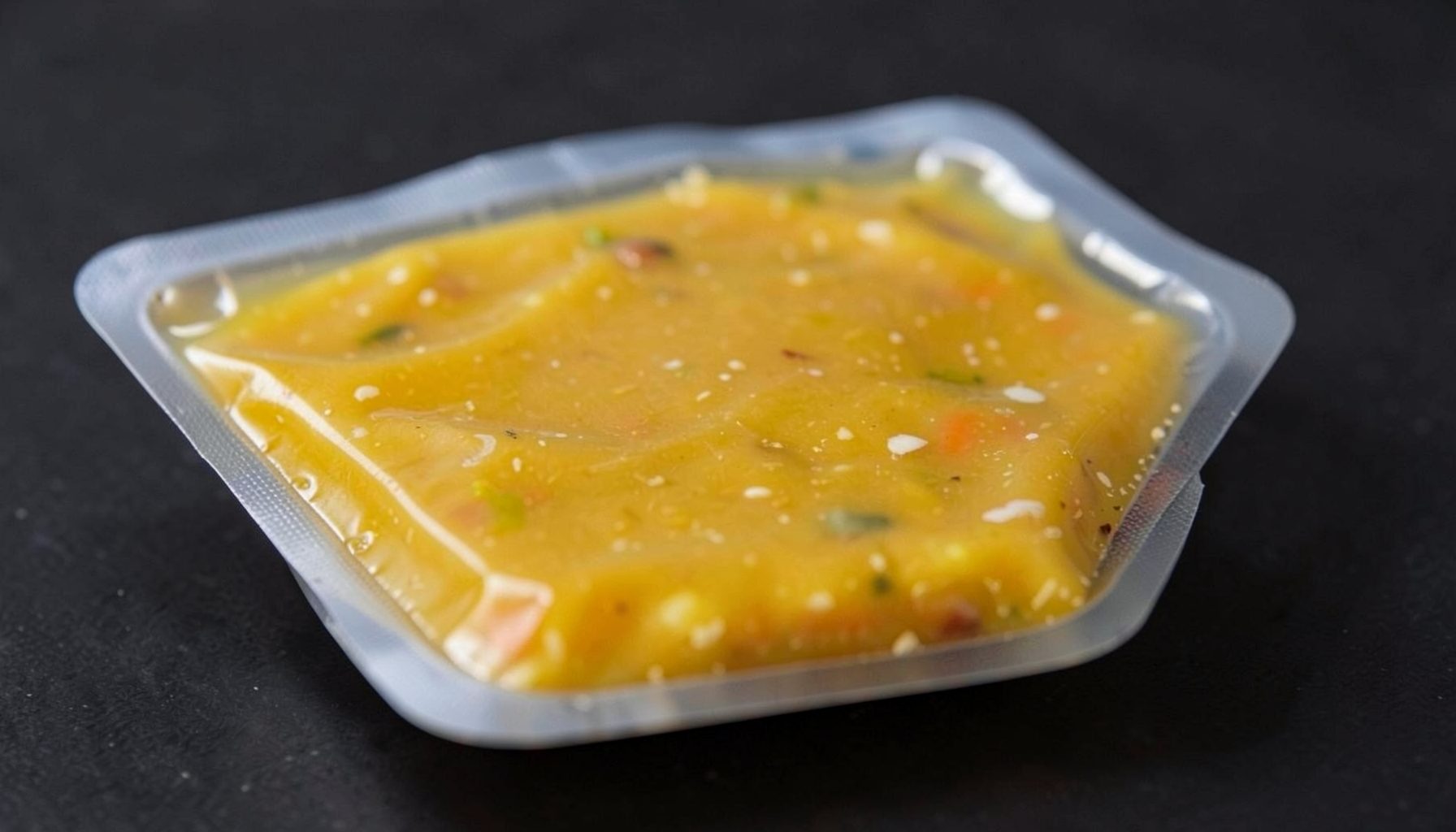
蛤?! Golden Clam Broth — New Batch
NT$ —
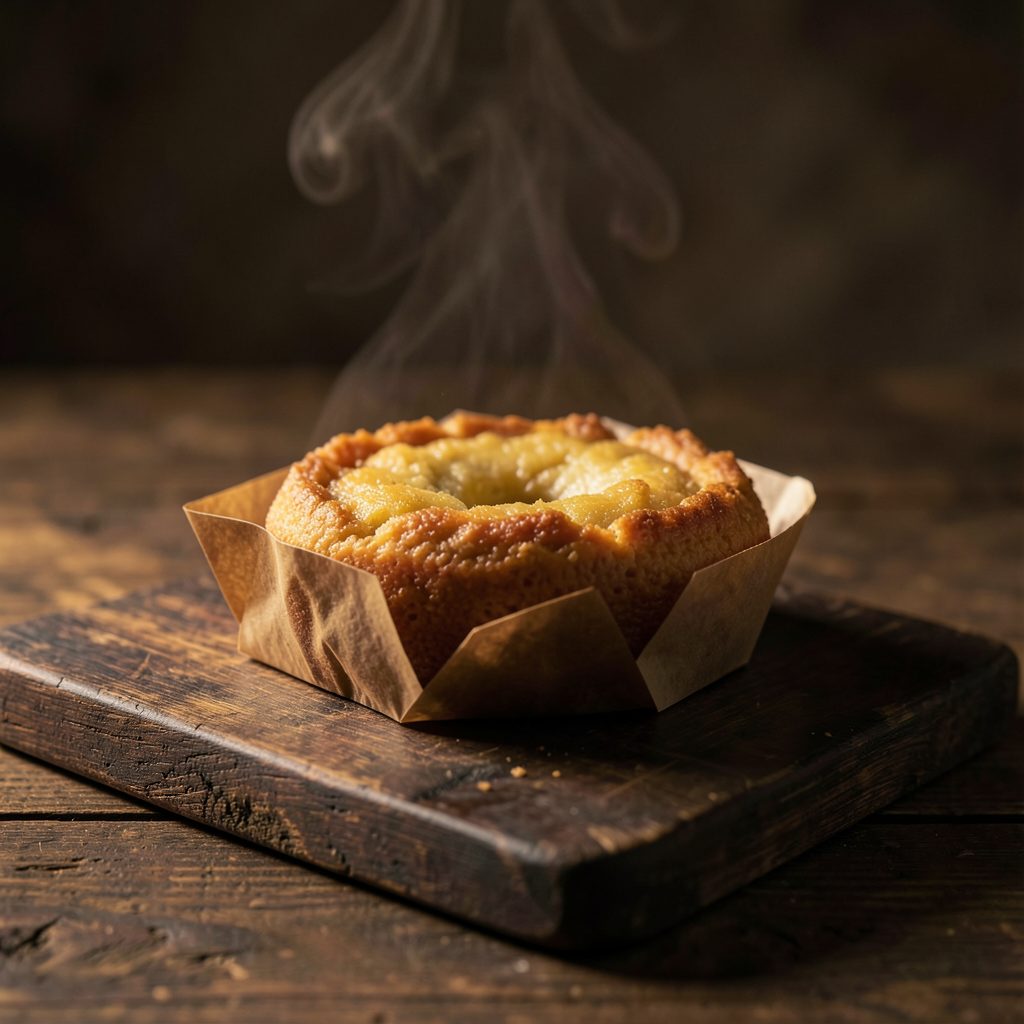
Radish Cake —蘿蔔糕精神
NT$ —
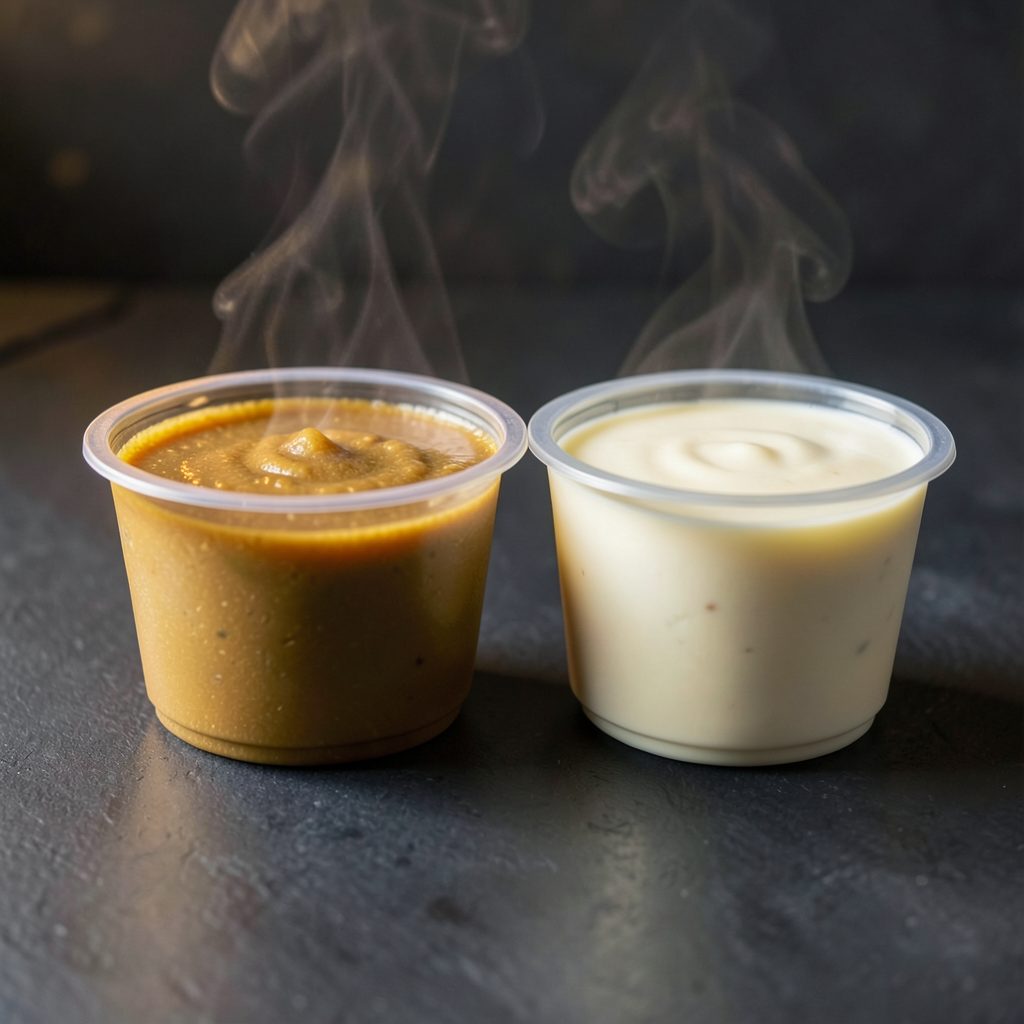
Duo Soup Base Set
NT$ —
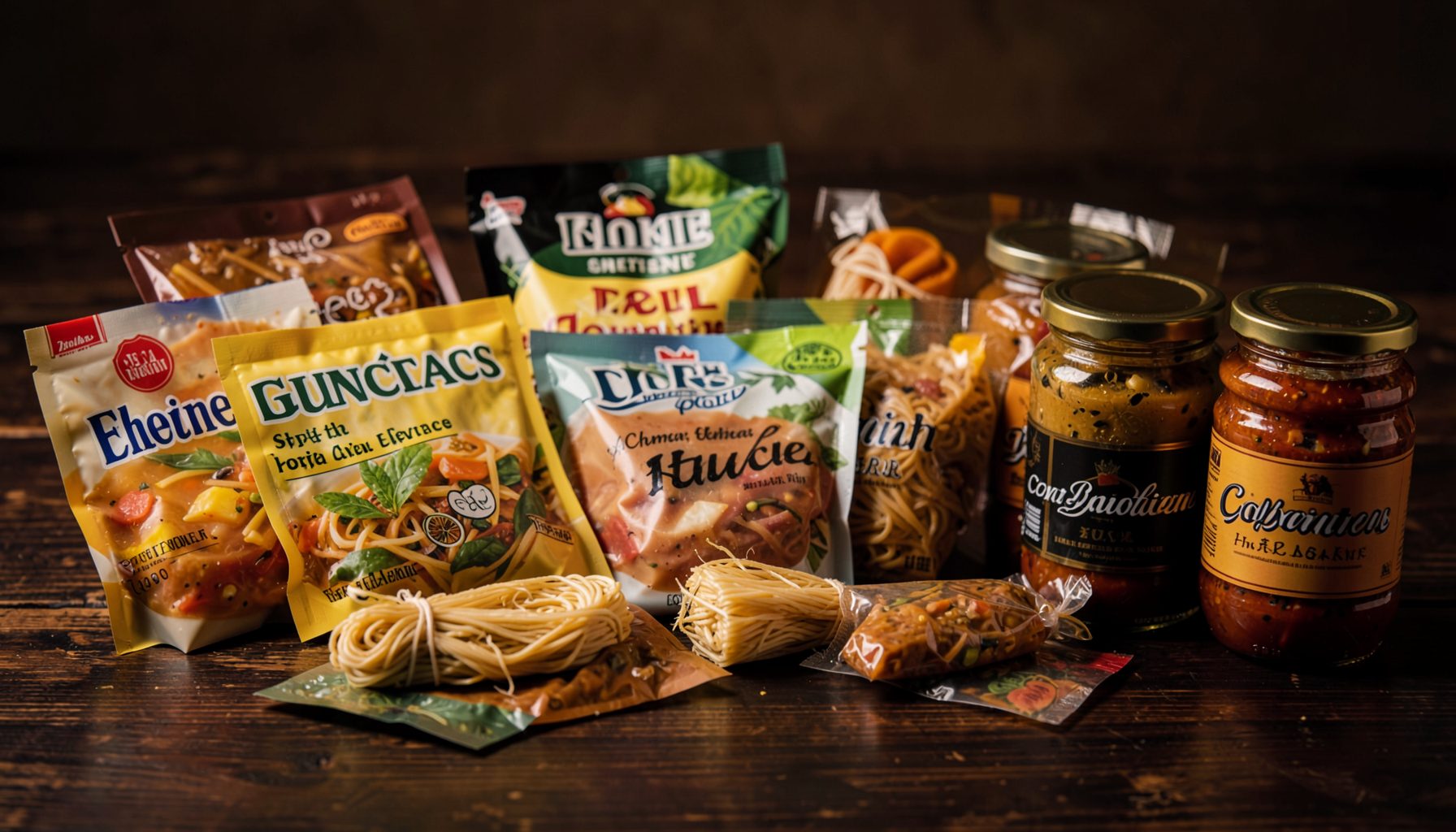
Hot Pot Essentials Bundle
NT$ —
About 蛤?! Huh Pot
蛤?! Huh Pot is a Cantonese-style hot pot brand known for its signature clam-based broth —卜卜蜆 — made with rich old-hen stock and generous portions of fresh clams. The brand also encompasses 本事滿足鍋物, a personal hot pot concept, bringing the same depth of flavor to individual servings.
Through MoneyCome Mart, these restaurant-quality soup bases, dry noodles, radish cakes, and signature sauces are available for home delivery across Taiwan. Restaurant locations in Taipei's Da'an District, Civic Boulevard, and Taichung's Gongyi Road also welcome guests for dine-in, with online reservations available.