Your first Cantonese hot pot at home
Cantonese hot pot turns dinner into an interactive meal: broth bubbles at the table while diners add vegetables, noodles, tofu and sliced ingredients at their own pace. The generous pot and shared sauces make it especially suitable for friends and family.
A beginner's guide to building your first Cantonese hot pot at home should focus on balance. Begin with one broth, a small combination of proteins and plenty of fresh vegetables. This approach keeps the flavours recognisable and avoids turning the first meal into an oversized cooking project.
At MoneyCome Mart, shoppers in Taiwan can explore frozen soup bases, clam broths, noodles, turnip cakes and prepared ingredients associated with 蛤?! Huh Pot and 本事滿足鍋物. Cold-chain delivery helps preserve the restaurant-quality products, although Australian customers should check international delivery coverage rather than assume the store ships locally.
Choose a broth that suits your table
A mild tomato or herbal broth provides a friendly starting point, while a satay-style base offers richer peanut and spice notes. Clam broth brings a clear seafood character, but it is a poor choice for anyone avoiding shellfish. Add chilli oil or chilli paste separately so each person can control the heat.
Protein becomes much easier to pair once the broth is settled. This broth-and-protein pairing guide explains how beef, pork, chicken and seafood respond to different bases. Thinly sliced meat should cook quickly, whereas thicker pieces need longer and a fully heated broth.
Build a manageable first-shopping list
Most Australian supermarkets sell basic hot pot ingredients, including tofu, mushrooms, leafy greens and noodles. Coles and Woolworths are useful for staples, while specialist Asian grocers around Richmond and Burwood in Melbourne, or Burwood and Wentworth Point in Sydney, often carry more authentic dipping sauces, preserved vegetables and frozen noodles.
- One packaged soup base or clam broth for moderate heat
- Thinly sliced beef, pork or chicken in a beginner-friendly quantity
- Tofu, fish cakes or another inexpensive protein
- Napa cabbage, mushrooms, baby spinach and corn
- Fresh or dried noodles and a packaged turnip cake
- Light soy sauce, sesame oil, rice vinegar and chilli paste
Once the groceries arrive, check frozen packages carefully and move them straight into a freezer set to approximately –18°C. Australian summer temperatures can rise quickly, so collect frozen items last during shopping and use an insulated cooler if you are travelling far from home.
Prepare safely and cook in the right order
Thaw packaged ingredients safely according to their labels, preferably in the refrigerator rather than a warm room. Never cook meat in a cold or barely simmering broth and expect it to become tender. The pot must return to a vigorous boil after ingredients are added.
A portable gas burner works well outdoors, while a domestic induction hob or electric hot plate can provide similar control indoors. Keep the flame away from curtains, use a stable heatproof surface and keep a fire blanket nearby. Australia’s metric measurements and Celsius temperatures make recipes straightforward, but cookers still differ, so begin with medium heat and adjust as needed.
Add dense ingredients such as tofu, daikon and packaged turnip cake first. Follow with quick-cooking vegetables, sliced proteins and seafood. Add noodles near the end so they soften without hiding everything else. Friends who enjoy cooking can receive the same components as a gift; this DIY gift-set guide explains a convenient way to present them.
Balance bold flavours with fresh ingredients
A first dinner usually needs only one main broth. Prepare a dipping sauce by combining light soy sauce with a little sesame oil, rice vinegar and chilli. Guests can customise their own bowls rather than having a single heavily seasoned sauce added to everything.
Bring vegetables and noodles to the table in separate batches so they enter the pot when ready. Napa cabbage and corn provide bulk, mushrooms add earthiness and turnip cakes absorb the broth beautifully. Pan-fry the turnip cake until its edges are golden if the package permits, then transfer it to the simmering pot.
For a casual Sunday arvo gathering, set the broth station up before everyone arrives. Australians often call the afternoon “arvo,” and keeping extra bowls, serving spoons and cookware nearby saves the host from repeatedly leaving the table. Use clean utensils for raw and cooked ingredients, particularly when handling fish, clams or thinly sliced meat.
Serve in small batches and finish thoughtfully
Bring the pot to the table once the broth is hot, but add ingredients in small batches. Leave the pot simmering rather than boiling hard, stir gently and remove cooked food promptly. Refrigerate leftovers within two hours, or within one hour during exceptionally hot weather, and use refrigerated food within a couple of days.
For dessert, a cool, creamy finish can balance the chilli and salty broth. Vanilla and caramel complement a shared hot pot meal particularly well, and this caramelised cheesecake recipe can be prepared while the pot simmers.
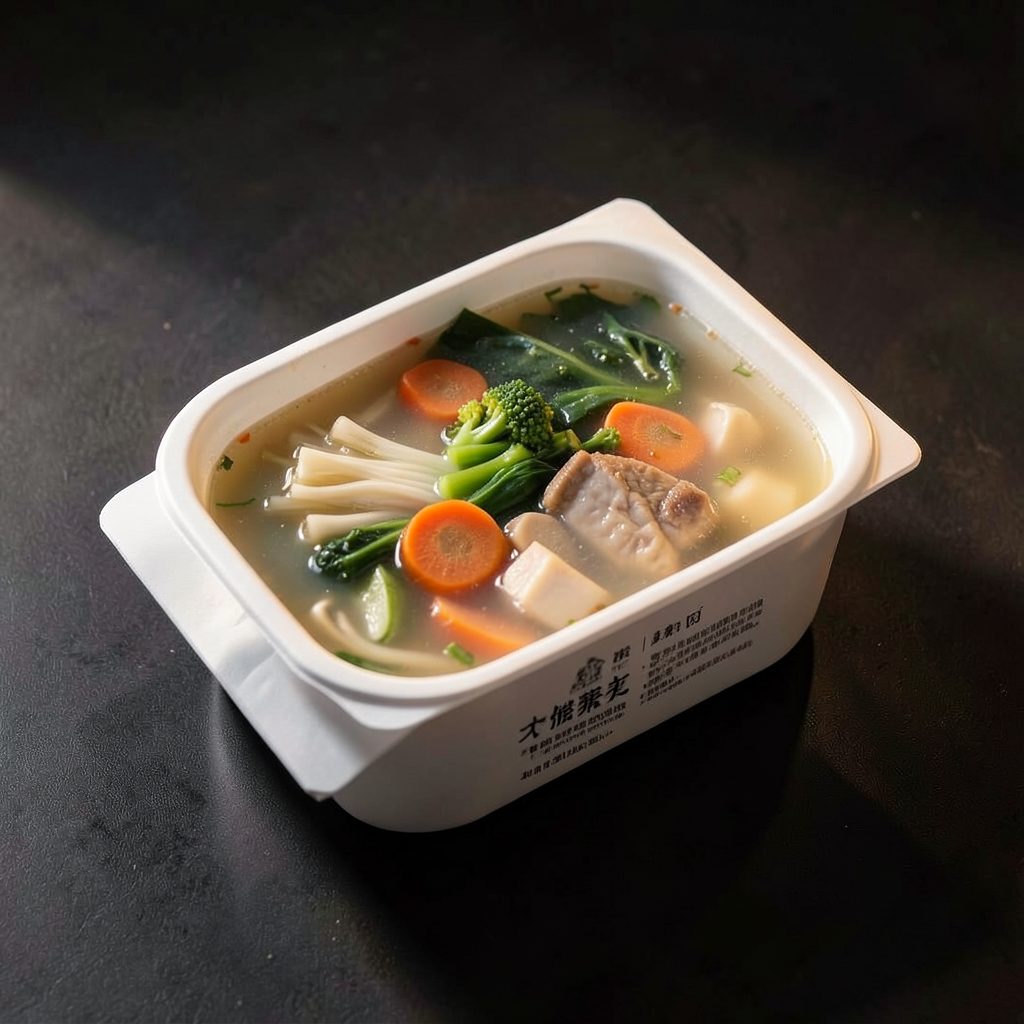
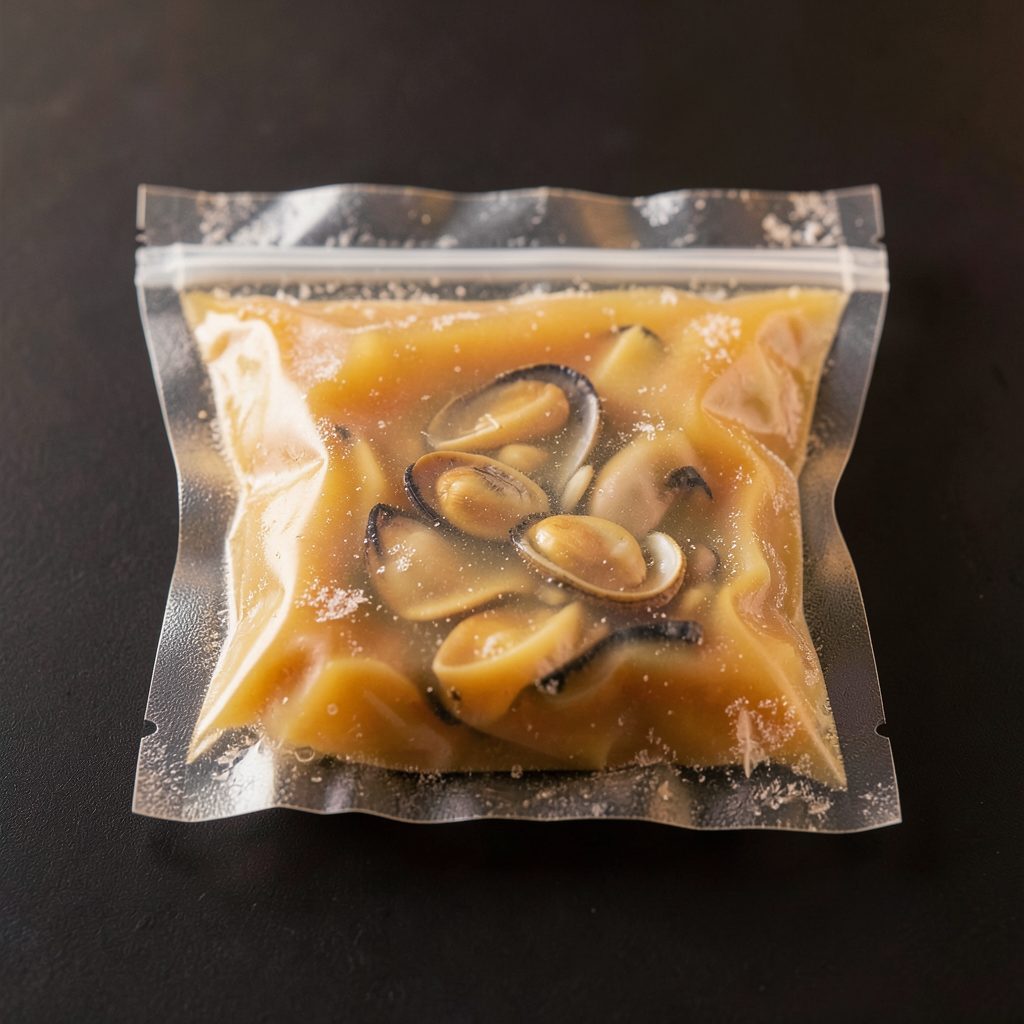
Best Sellers
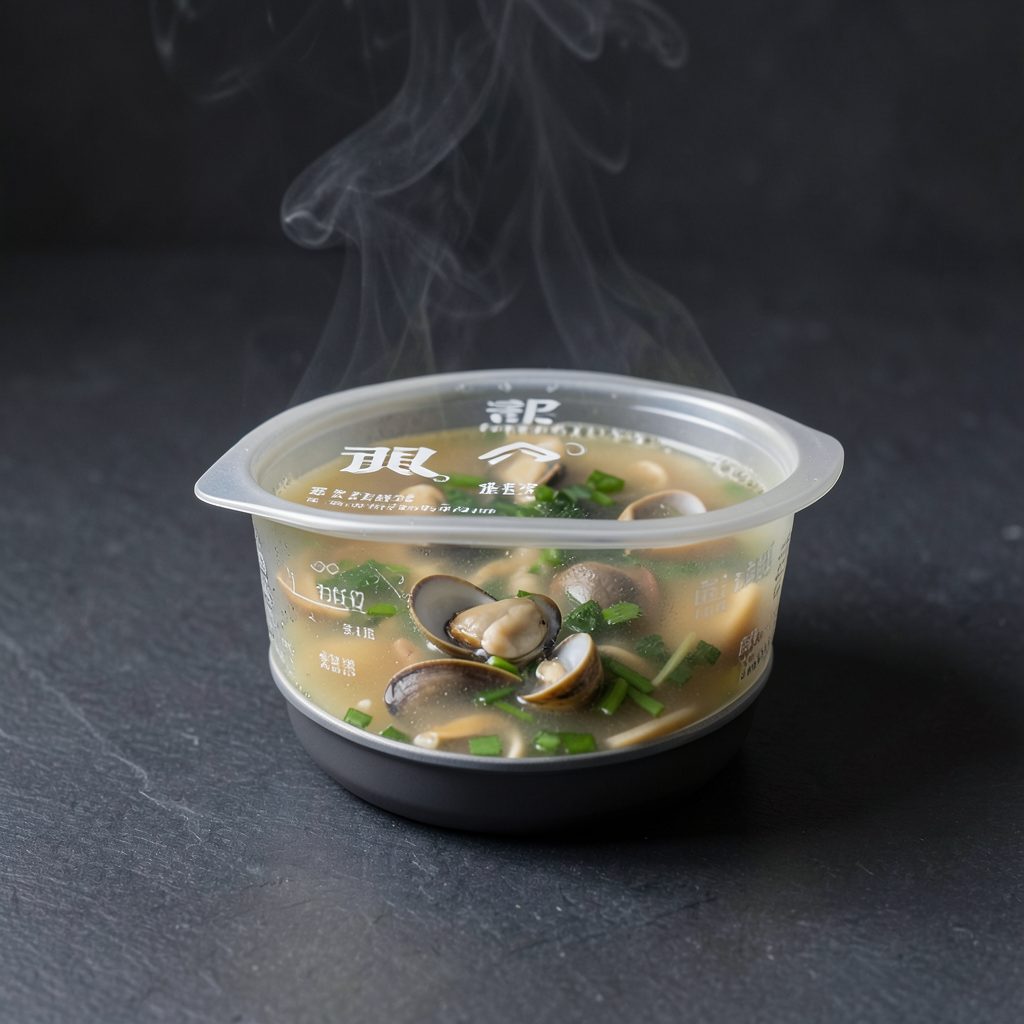
蛤?! Clam Soup Base —卜卜蜆
NT$ —
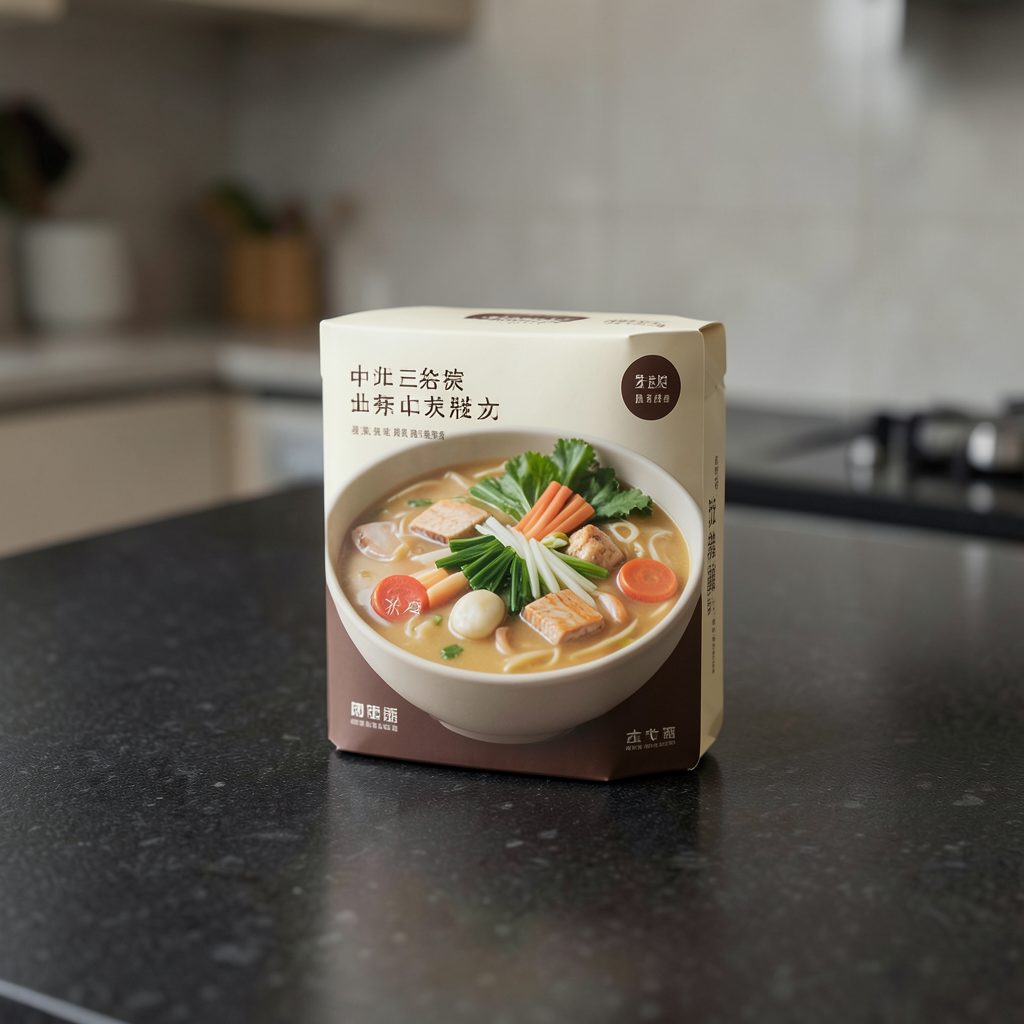
本事滿足鍋物 Personal Pot Base
NT$ —
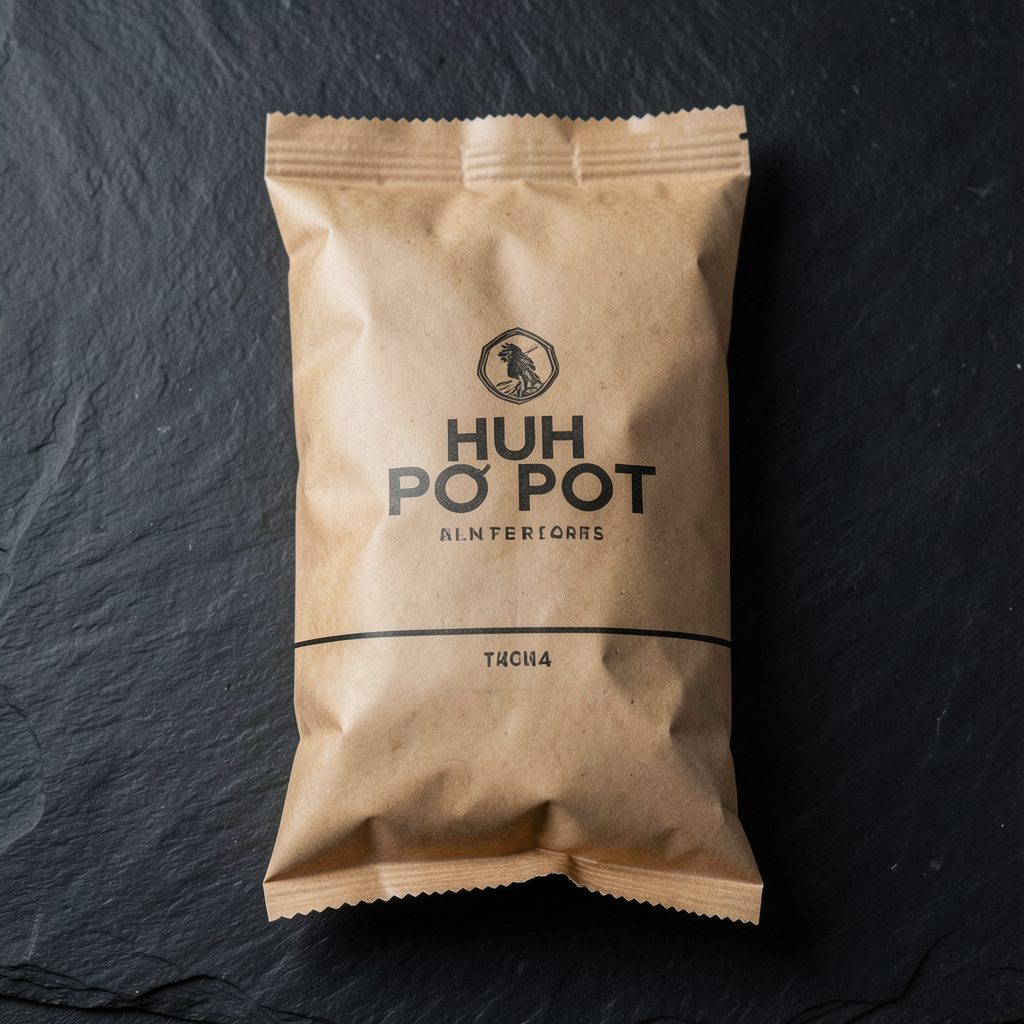
蛤?! Dry Noodles
NT$ —
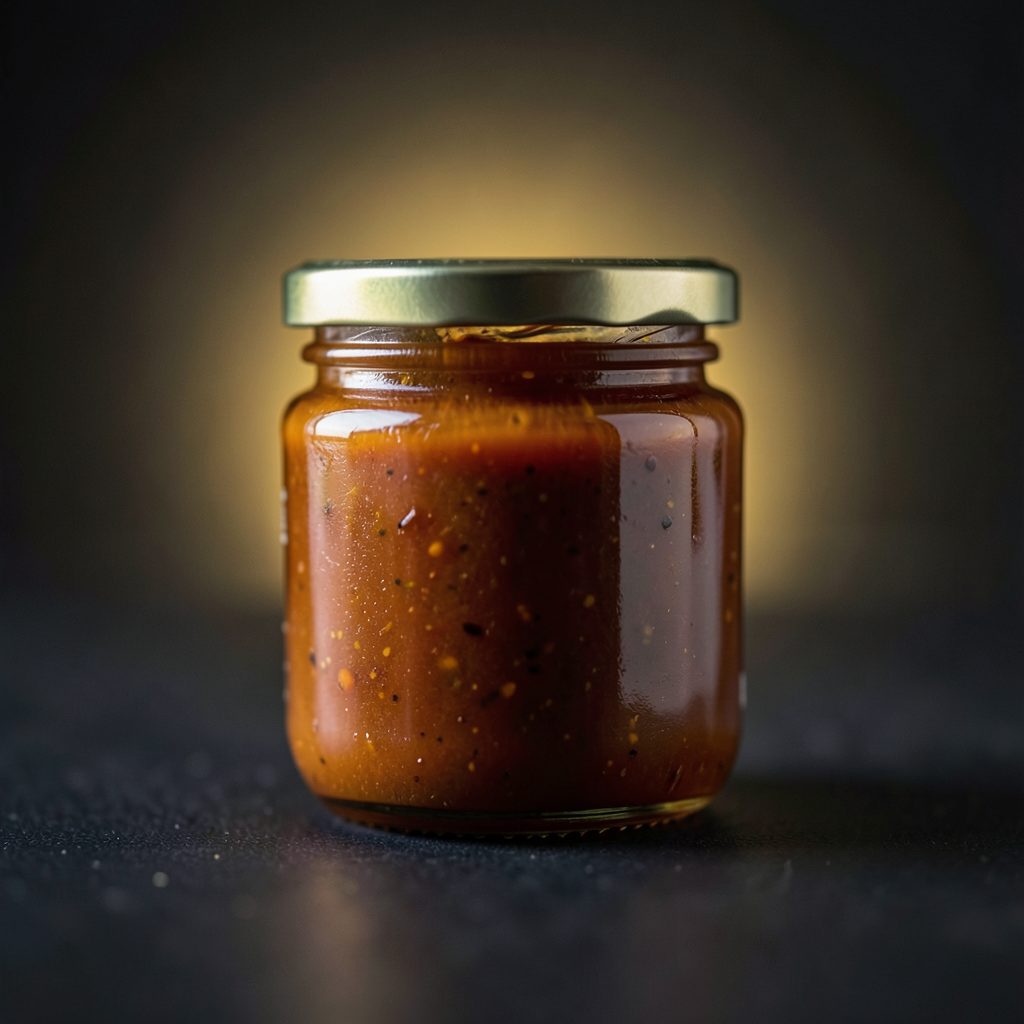
Signature Sauce
NT$ —
New Arrivals
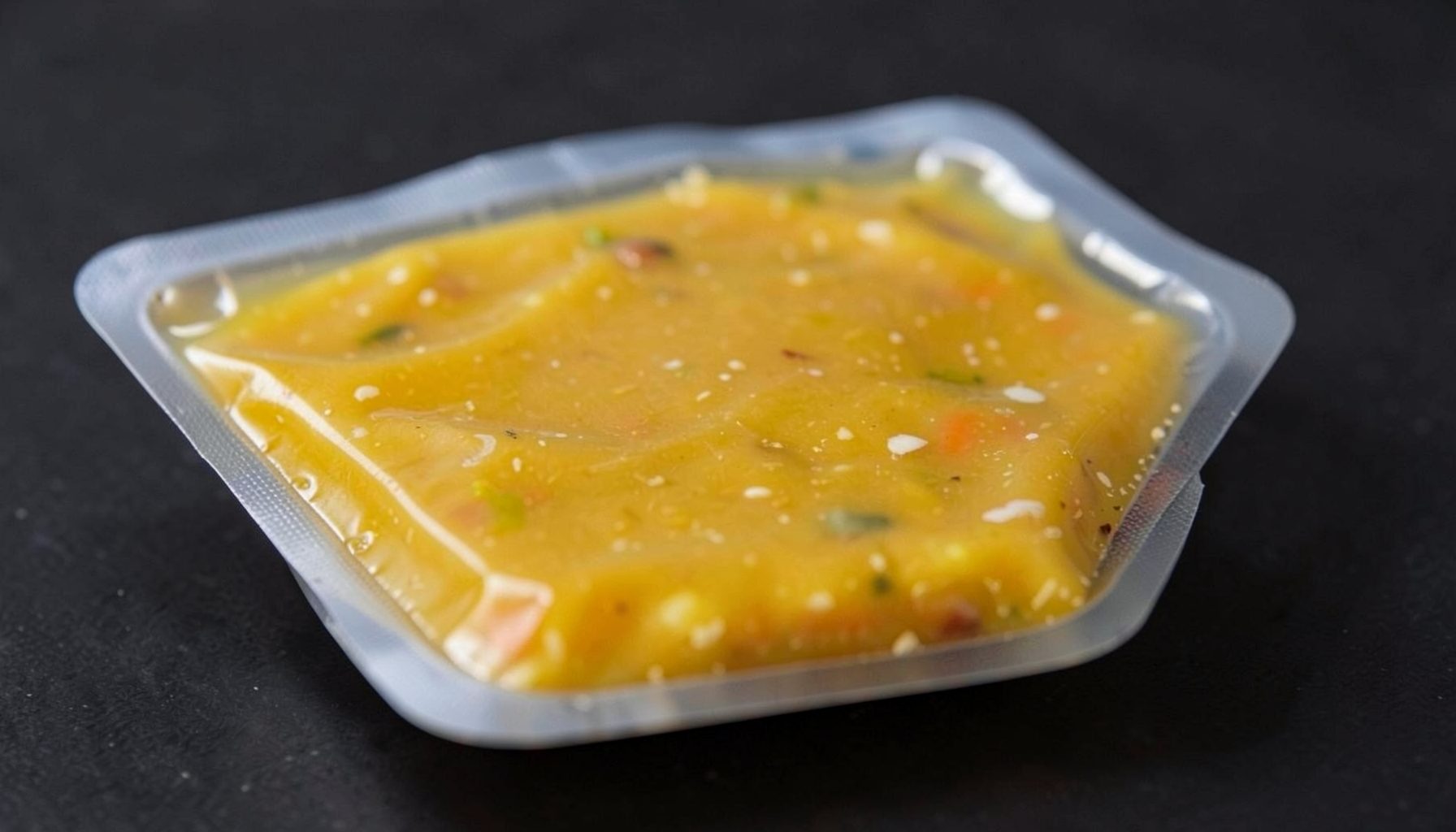
蛤?! Golden Clam Broth — New Batch
NT$ —
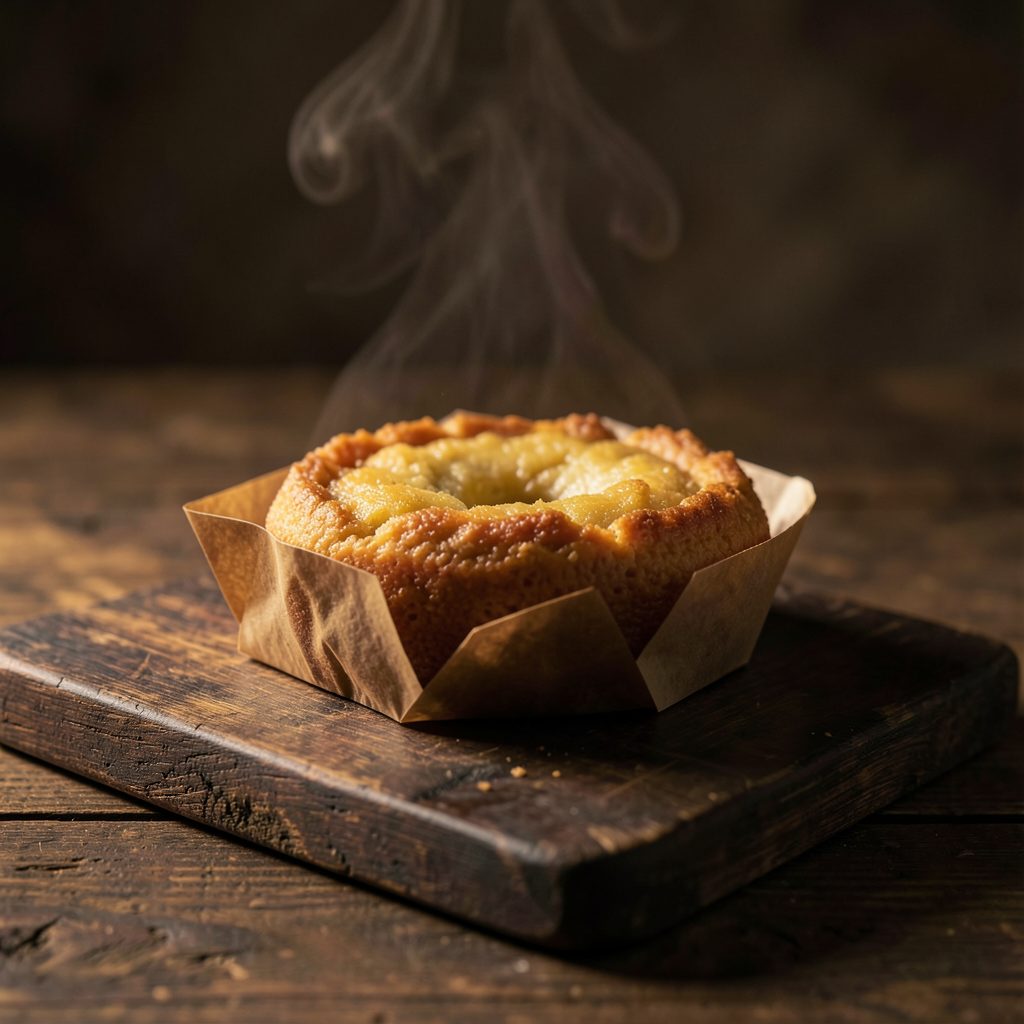
Radish Cake —蘿蔔糕精神
NT$ —
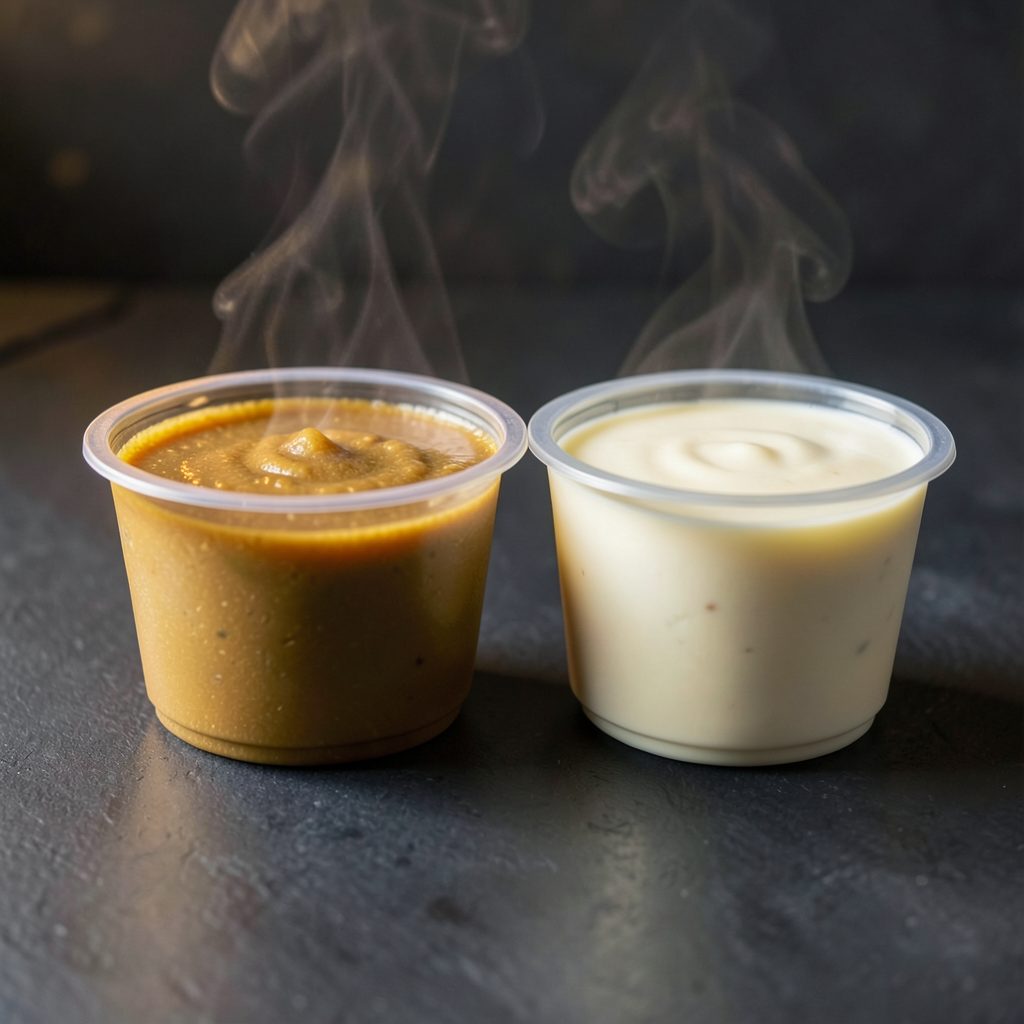
Duo Soup Base Set
NT$ —
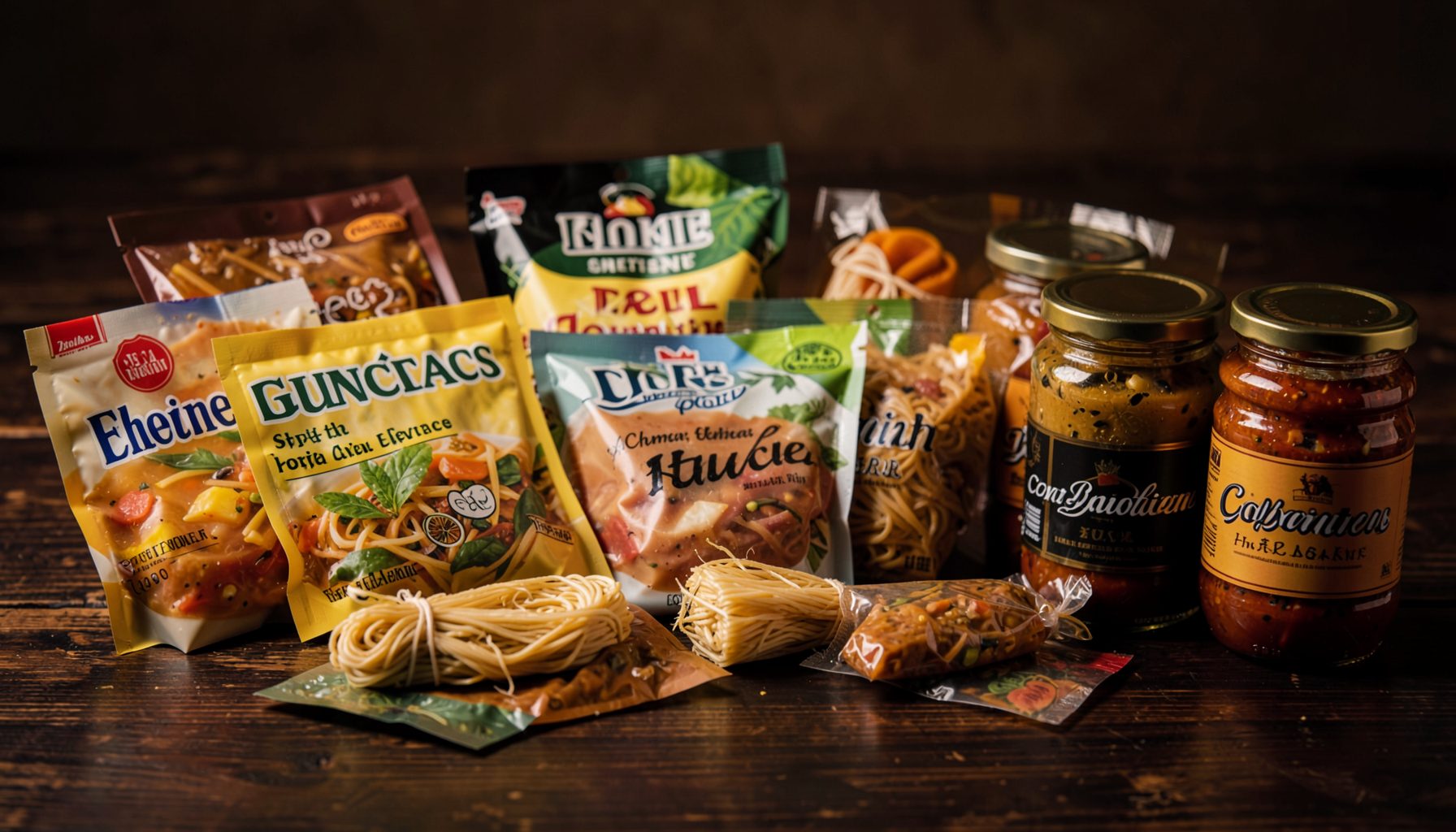
Hot Pot Essentials Bundle
NT$ —
About 蛤?! Huh Pot
蛤?! Huh Pot is a Cantonese-style hot pot brand known for its signature clam-based broth —卜卜蜆 — made with rich old-hen stock and generous portions of fresh clams. The brand also encompasses 本事滿足鍋物, a personal hot pot concept, bringing the same depth of flavor to individual servings.
Through MoneyCome Mart, these restaurant-quality soup bases, dry noodles, radish cakes, and signature sauces are available for home delivery across Taiwan. Restaurant locations in Taipei's Da'an District, Civic Boulevard, and Taichung's Gongyi Road also welcome guests for dine-in, with online reservations available.